|
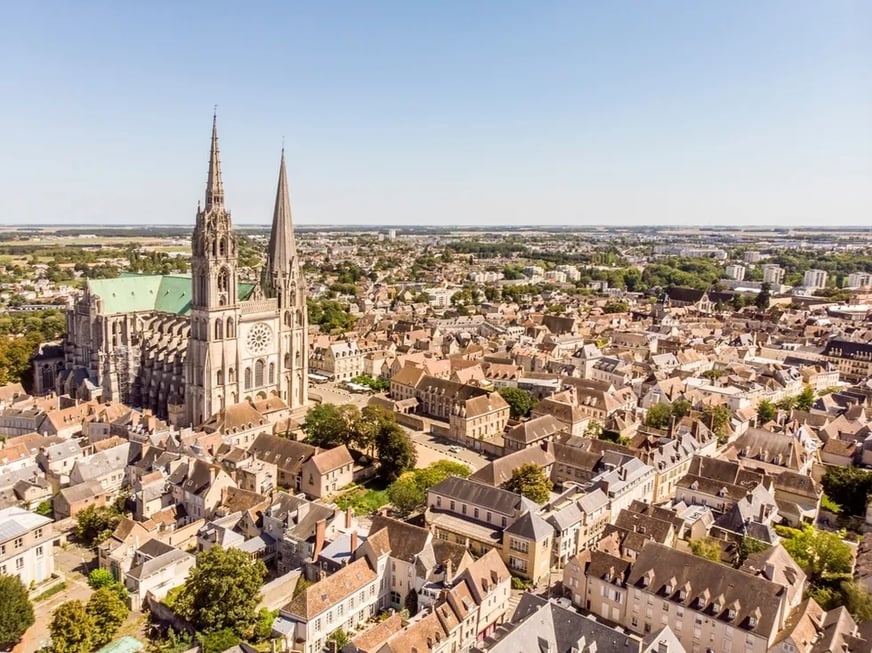
Cathédrale Notre-Dame de Chartres
|
||||||||||||||||||||||||||||||||||||||||||||||||||||||||||||||||||||||||||||||||||||||||||||||||||||||||||||||||||||||||||||||||||||||||||||||||||||||||||||||||||||||||||||||||||||||||||||||||||||||||||||||||||||||||||||||||||||||||||||||||||||||||||||||||||||||||||||||||||||||||||||||||||||||||||||||||||||||||||||||||||||||||||||||||||||||||||||||||||||||||||
| Hours | Daily 8:30am-7:30pm | ||
| Address | 16 Cloître Notre-Dame | ||
| Phone | 02-37-21-22-07 | ||
| Web site | www.monum.fr | ||
| Prices | Free admission to cathedral | ||
Frommer's Review
Reportedly, Rodin once sat for hours on the sidewalk, admiring this cathedral's Romanesque sculpture. His opinion: Chartres is the French Acropolis. When it began to rain, a kind soul offered him an umbrella, which he declined, so transfixed was he by this place.
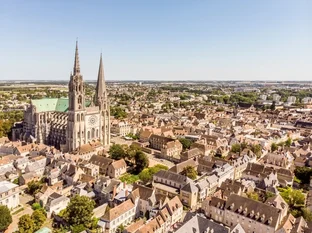
The cathedral's origins are uncertain; some have suggested it grew up over an ancient Druid site that later became a Roman temple. As early as the 4th century, there was a Christian basilica here. An 1194 fire destroyed most of what had by then become a Romanesque cathedral but spared the western facade and crypt. The cathedral you see today dates principally from the 13th century, when it was rebuilt with the efforts and contributions of kings, princes, churchmen, and pilgrims from all over Europe. One of the world's greatest high Gothic cathedrals, it was the first to use flying buttresses to support the soaring dimensions within.
French sculpture in the 12th century broke into full bloom when the Royal Portal was added. A landmark in Romanesque art, the sculptured bodies are elongated, often stylized, in their long, flowing robes. But the faces are amazingly (for the time) lifelike, occasionally winking or smiling. In the central tympanum, Christ is shown at the Second Coming, with his descent depicted on the right and his ascent on the left. Before entering, walk around to both the North Portal and the South Portal, each from the 13th century. They depict such biblical scenes as the expulsion of Adam and Eve from the Garden of Eden.
Inside is a celebrated choir screen; work on it began in the 16th century and lasted until 1714. The niches, 40 in all, contain statues illustrating scenes from the life of the Madonna and Christ -- everything from the Massacre of the Innocents to the Coronation of the Virgin.
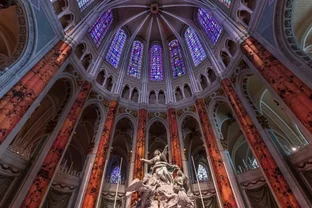
However, few rushed visitors ever notice the screen because they're too transfixed by the light from the stained glass. Covering an expanse of more than 2,500 sq. m. (26,910 sq. ft.), the glass is unlike anything else in the world. The stained glass, most of which dates from the 12th and 13th centuries, was spared in both world wars by being painstakingly removed, piece by piece, and stored away. See the windows in the morning, at noon, in the afternoon, at sunset -- as often as you can. Like the petals of a kaleidoscope, they constantly change. It's difficult to single out one panel or window above the others, but an exceptional one is the 12th-century Vierge de la Belle Verrière (Our Lady of the Beautiful Window) on the south side. Of course, there are three fiery rose windows, but you couldn't miss those if you tried.
The nave, the widest in France, still contains its ancient floor labyrinth, which formed a mobile channel of contemplation for monks. The wooden Notre-Dame du Piller (Virgin of the Pillar), to the left of the choir, dates from the 14th century. The crypt was built over 2 centuries, beginning in the 9th. Enshrined within is Our Lady of the Crypt, a 1976 Madonna that replaced one destroyed during the Revolution.
Try to take a tour conducted by Malcolm Miller (tel. 02-37-28-15-58; fax 02-37-28-33-03; millerchartres@aol.com), an Englishman who has spent 3 decades studying the cathedral and giving tours in English. His rare blend of scholarship, enthusiasm, and humor will help you understand and appreciate the cathedral. He usually conducts 75-minute tours at noon and 2:45pm Monday to Saturday for 10€ ($15) per person. Tours are canceled during pilgrimages, religious celebrations, and large funerals. French-language tours (6.20€/$9) start at 10:30am and 3pm from Easter to October and at 2:30pm the rest of the year.
If you're fit enough, don't miss the opportunity, especially in summer, to climb to the top of the tower. Open daily from 8:30am to noon and 2 to 7:30pm, it costs 4.60€ ($6.70) for adults and 3.10€ ($4.50) for students. You can visit the crypt, gloomy and somber but rich with medieval history, only as part of a French-language tour. The cost is 3.10€ ($4.50) per person.
After your visit, stroll through the Episcopal Gardens and enjoy yet another view of this remarkable cathedral.
Note: This information was accurate when it was published, but can change without notice. Please be sure to confirm all rates and details directly with the companies in question before planning your trip.
| Back to Top |
| RSS | |||||||
|
Frommer's Paris 2009
Author: Darwin Porter |
Related Titles:
|
|||||||||||||||||||||