Shutterstock
Costa Rica Travel Guide
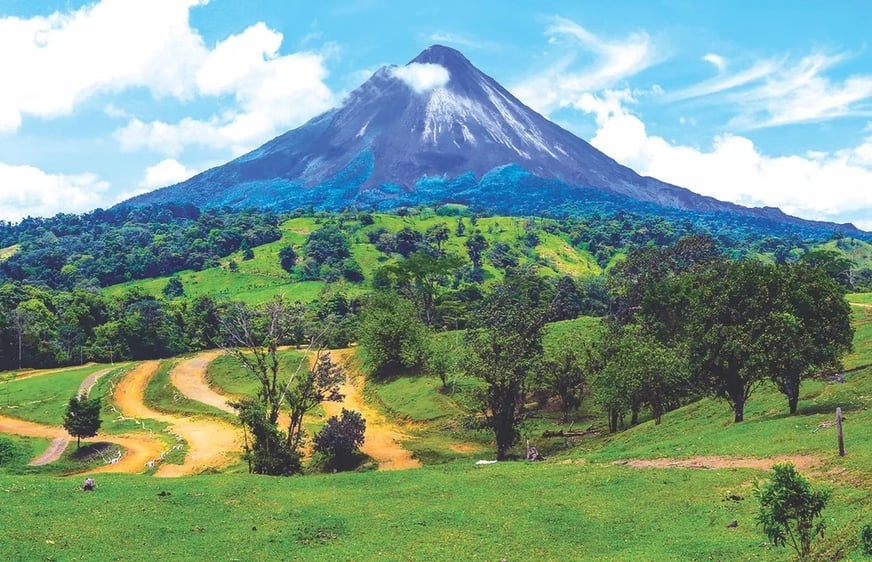
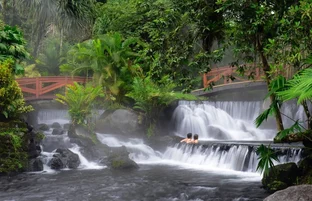
Costa Rica continues to be one of the hottest vacation and adventure-travel destinations in Latin America, and for good reason. The country is rich in natural wonders and abundant biodiversity. Costa Rica boasts a wealth of unsullied beaches for sunbathing and surfing, lush jungle rivers for rafting and kayaking, and spectacular cloud forests and rainforests with ample opportunities for bird-watching, wildlife viewing, and hiking. In addition to the emblematic eco- and adventure-tourism offerings, you will also find luxury resorts and golf courses, plush spas, and some spectacular boutique hotels and eco-friendly lodges. In this section, you’ll find the very best of what this unique country has to offer.

Start Exploring

Things To Do in Costa Rica

A Nature Guide in Costa Rica
Suggested Itineraries in Costa Rica
Organized Tours in Costa Rica
Active Pursuits in Costa Rica
In Depth in Costa Rica
The Best Natural Attractions in Costa Rica
The Best Views in Costa Rica
The Most Useful Websites in Costa Rica
The Best Mid-Range Hotels in Costa Rica
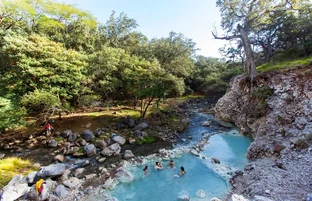
The Best Hikes in Costa Rica
The Best Inns and Bed and Breakfasts in Costa Rica
The Best Luxury Hotels in Costa Rica

The Best Ecolodges and Wilderness Resorts in Costa Rica

The Best Family Vacations in Costa Rica
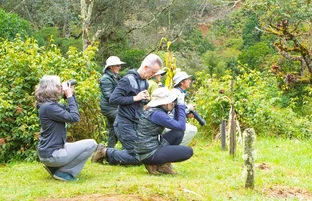
The Best Bird-Watching in Costa Rica

The Best Outdoor Adventures in Costa Rica
The Best After-Dark in Costa Rica

The Best Beaches in Costa Rica

The Best Restaurants in Costa Rica
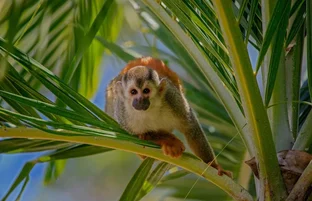
Best Places to See Wildlife in Costa Rica

Best Hotel Bets in Costa Rica
The Best Authentic Experiences in Costa Rica