
FreeImages / Richard Hewitt
Cuba Travel Guide
What draws people to the Caribbean island of Cuba is much more than beaches and sun, though there are plenty of both. Soothing timba beats, Ché Guevara posters and 1950s-era Chevrolets pervade the crumbling capital Havana, where life happens outside, in the streets. Juggle the Communist country's two different currencies while haggling for tropical fruit at street-corner markets. In sleepy Trinidad, pastel-colored buildings line cobbled streets, where cigar-smoking locals draw you into conversations about economics, or turn up the music and invite you to dance.
Beaches
Playa Ancón's ivory-white sand and sparkling sea, minutes from colonial treasure Trinidad, is known for its adrenalin-inducing water sports. Broad expanses of glistening, white sand make Playa Paraíso and Playa Sirena, on the protected western end of the island, worth seeking. To find a secluded beach, drive to the small rocky coves, transparent sea and palm tree-lined beaches of the Bay of Pigs. Amble with locals along Havana's sea-hugging Malecón (boardwalk), situated between crashing waves and colonial buildings.
Things to Do
Beautifully restored Old Havana is home to the propaganda-heavy Museum of the Revolution, the perfect introduction to Cuba's contradictions. Venture into the gently-sloping emerald hills of Valle de los Ingenios to spot the rusting metal structures of closed sugar mills, rows of thriving tobacco plantations and billboards covered with Ché Guevara's most famous quotes. The lack of signage outside of the capital is more than compensated for by roadside wanderers eager to provide directions in exchange for a ride home.
Nightlife and Entertainment
After dark, head to Havana's swanky Vedado district for jazz accentuated by the lingering smell of cigar smoke. The Buena Vista Social Club's world-famous tunes, and those of its imitators, blare from windows in every town across the island. You might want to brush up on your salsa skills before your Cuban trip, as visitors are guaranteed to be offered a dance. The impressive, thriving Cuban National Ballet performs at Gran Teatro de la Habana.
Eating and Drinking
Try Cuban staple ropa vieja (stewed shredded beef) in a ramshackle restaurant almost anywhere on the island, or ceviche (lime-marinated raw fish) that would make a French chef's mouth water in smart La Guarida's romantically dilapidated colonial palace. The best place to drink Cuba's finest drink -- the rum-based minty mojito -- and admire the sea view from the rooftop terrace is Hotel Ambos Mundos. It's also where Hemingway started writing For Whom the Bell Tolls.
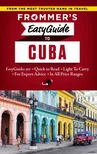
Start Exploring

Things To Do in Cuba

Suggested Itineraries in Cuba
Active Pursuits in Cuba
In Depth in Cuba
The Best Resorts & Spas in Cuba
The Best Outdoor Pursuits in Cuba
The Best Inns and Bed & Breakfasts in Cuba
The Best Natural Attractions in Cuba
The Best Nightlife in Cuba
Best Hotel Bets in Cuba
The Best Beaches in Cuba
The Best Historic Sites in Cuba
Frommer's Favorite Experiences in Cuba
Best Dining Bets in Cuba