RossHelen / Shutterstock
Florence Travel Guide
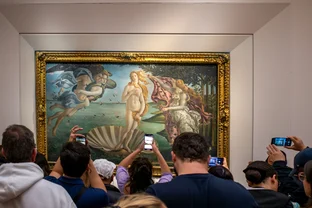
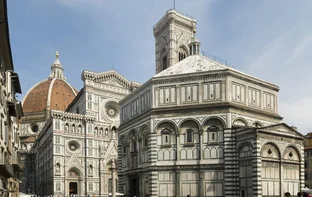
Botticelli, Michelangelo, and Leonardo da Vinci all left their mark on Florence, the cradle of the Renaissance. With Brunelleschi’s dome as your backdrop, follow the River Arno to the Uffizi Gallery (Florence’s foremost museum) and soak in centuries of great painting. Wander across the Ponte Vecchio, Florence’s iconic bridge, taking in the tangle of Oltrarno’s medieval streets. Then sample seasonal Tuscan cooking in a Left Bank trattoria. You've discovered the art of fine living in this masterpiece of a city.
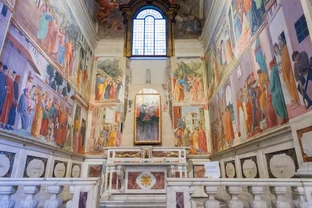
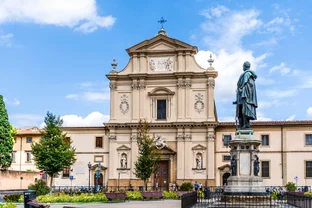
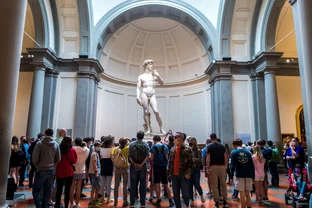
Michelangelo's “David” stands tall (literally) behind the doors of the Accademia, and nearby are the delicate paintings of Fra’ Angelico in the convent of San Marco. Works by Donatello, Masaccio, and Ghiberti fill the city’s churches and museums. Once home to the Medici, the Palazzo Pitti is stuffed with Raphaels and Titians, and backed by the fountains of the regal Boboli Garden.
But it’s not just about the art. Florentines love to shop, too, and Italy's leather capital strains at the seams with handmade gloves, belts, bags, and shoes sold from workshops, family-run boutiques, and high-toned stores, as well as at tourist-oriented San Lorenzo Market. Splurge on designer wear from fashion houses along Via de’ Tornabuoni—this city is the home of Gucci, Pucci, and Ferragamo.
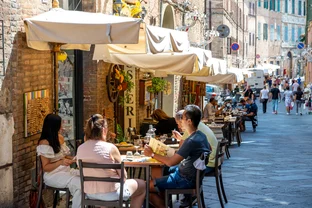
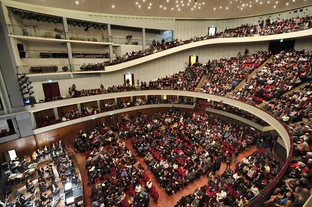
As for Florentine cuisine, it’s increasingly cosmopolitan, but flavors are often still Tuscan at heart. Even in the best restaurants, meals might kick off with country concoctions like ribollita (vegetable stew) before moving onto the chargrilled delights of a bistecca alla fiorentina (Florentine beefsteak on the bone)—all washed down with a fine Chianti Classico. At lunchtime order a plate of cold cuts, or if you’re feeling adventurous, lampredotto alla fiorentina, a sandwich of cow’s stomach stewed in tomatoes and garlic. When you’ve dined to your fill, retire to a wine bar in the Oltrarno, or to one of the edgier joints of Santo Spirito or San Frediano. If you’re keen on opera, classical, theater, or jazz, you’ll find it here, too.