Milosk 50 / Shutterstock
Fredericton Travel Guide
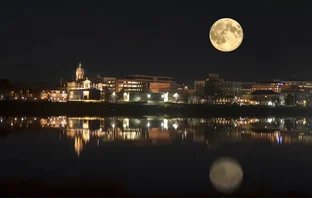
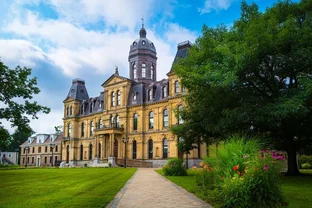
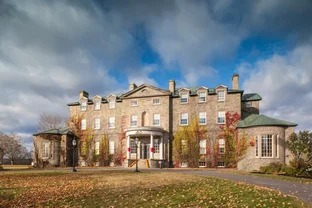
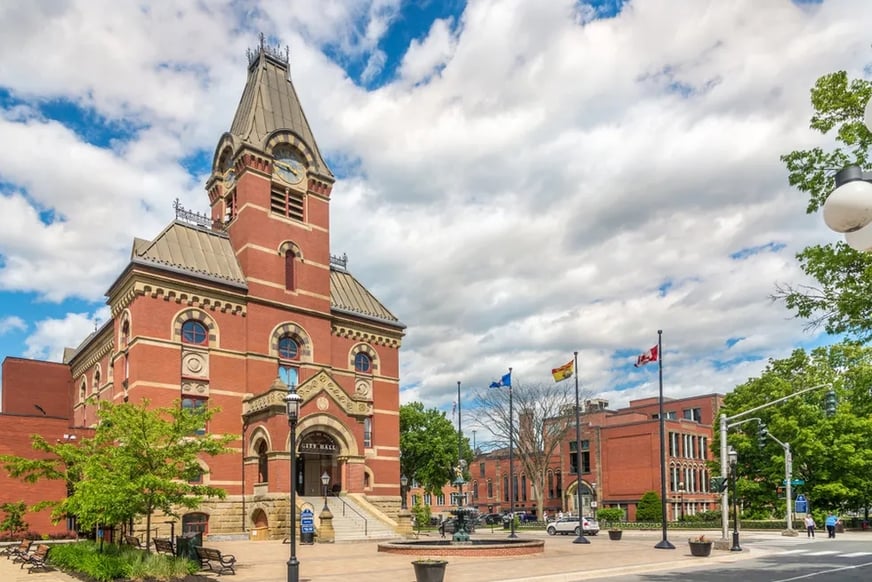
Few outsiders probably realize that the capital of New Brunswick is not Saint John: It's the city of Fredericton, a compact, historic place of brick and concrete that unfolds along the banks of the wide Saint John River. Its handsome buildings, broad streets, and wide sidewalks make the place feel more like a big village than a small city. You'll see the Union Jack occasionally fluttering from buildings, attesting to long-standing ties with Mother England.
The city is divided into three zones: malls and motels atop the hills near the Trans-Canada Highway; the impressive, Georgian-style University of New Brunswick on a hillside just south of town; and downtown itself, a casual blend of modern and historic buildings.
Most visitors focus on the downtown. The main artery -- where you'll find the bulk of the attractions and restaurants -- is Queen Street, which parallels the river. An ill-considered four-lane highway separates much of the center from the actual river banks, but you can reach water's edge either via The Green, a pathway that follows the river, or by crossing a pedestrian bridge at the foot of Carleton Street.
Once you've seen the river, it's time to get to know the buildings and people. There's really no single must-see attraction here, but strolling the streets gives you a sense of history and place. If New Brunswick's main allure for you lies in its shimmering sea, deep woods, high tides, and wide open spaces, you won't miss much by skipping Fredericton. But if your passions include history -- especially the history of British settlements in North America -- it's well worth the detour.