|
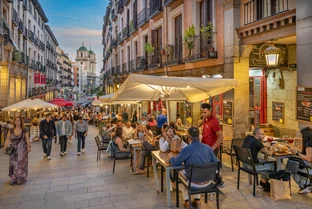
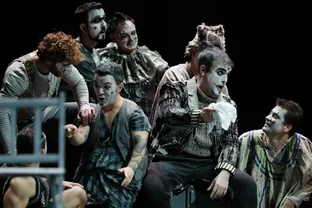
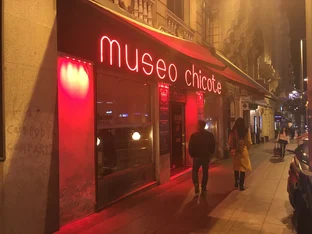
NightlifeMadrid abounds in dance halls, tascas, cafes, theaters, movie houses, music halls, and nightclubs. You'll have to proceed carefully through this maze, as many of these offerings are strictly for residents or for Spanish-speakers -- especially the theaters. Because dinner is served late in Spain, nightlife doesn't really get under way until after 11pm, and it generally lasts until around 3am -- Madrileños are so fond of prowling around at night that they are known around Spain as gatos (cats). If you arrive at 9:30pm at a club, you'll have the place all to yourself, if it's even open. In most clubs, a one-drink minimum is the rule: Feel free to nurse one drink through the entire evening's entertainment. In summer, Madrid becomes a virtual free festival because the city sponsors a series of plays, concerts, and films. Pick up a copy of the Guía del Ocio (available at most newsstands) for listings of these events. This guide also provides information about occasional discounts for commercial events, such as the concerts that are given in Madrid's parks. Like flamenco clubs, discos tend to be expensive, but they often open for what is erroneously called afternoon sessions (7-10pm). Although discos charge entry fees, at an afternoon session, the cost might be as low as 4€ ($6.40); costs may rise to 18€ ($29) and beyond for a night session -- that is, beginning at 11:30pm and lasting until the early morning hours. Therefore, go early, dance until 10pm, and then proceed to dinner (at the fashionable hour). Nightlife in Madrid can be roughly divided into the following "night zones": Plaza Mayor/Puerta del Sol -- The most popular areas from the standpoint of tradition and tourist interest alike, can also be dangerous, so explore them with caution, especially late at night. They are filled with tapas bars and cuevas (drinking caves). It is customary to begin a tasca crawl here, going to tavern after tavern, sampling the wine in each, along with a selection of tapas. The major streets for such a crawl are Cava de San Miguel, Cava Alta, and Cava Baja. Gran Vía -- This area contains mainly cinemas and theaters. Most of the after-dark action takes place on little streets branching off the Gran Vía. Plaza de Isabel II/Plaza de Oriente -- Another area frequented by tourists, many restaurants and cafes flourish here, including the famous Café de Oriente. Chueca -- Along such streets as Hortaleza, Infantas, Barquillo, and San Lucas, this is the gay nightlife district, with dozens of clubs. Cheap restaurants, along with a few female strip joints, are also found here. This area can also be dangerous in the early hours of the morning, though the customary presence of weekend revelers who throng the streets till around 3am often manages to deter potential pickpockets and muggers. The reasonably active police presence at night also helps. Argüelles/Moncloa -- For university students, this part of town sees most of the action. Many dance clubs are found here, along with ale houses and fast-food joints. The area is bounded by Pintor Rosales, Cea Bermúdez, Bravo Murillo, San Bernardo, and Conde Duque. The Performing Arts Madrid has a number of theaters, opera companies, and dance companies. To discover where and when specific cultural events are being performed, pick up a copy of Guía del Ocio at any city newsstand. The sheer volume of cultural offerings can be staggering. Tickets to dramatic and musical events usually range in price from 5€ to 50€ ($8-$80), with discounts of up to 50% granted on certain days of the week (usually Wed and matinees on Sun). Concierges at most major hotels can usually get you tickets, if you are clear about your wishes and needs. They charge a considerable markup, part of which is passed along to whichever agency originally booked the tickets. You'll save money if you go directly to the box office. In the event your choice is sold out, you may be able to get tickets (with a reasonable markup) at Localidades Galicia at Plaza del Carmen 1 (tel. 91-531-27-32; Metro: Sol). This agency also markets tickets to bullfights and sporting events. It is open Tuesday to Saturday from 9:30am to 1:30pm and 4:30 to 7:30pm, Sunday from 9:30am to 1:30pm. Otherwise, try www.entradas.com (tel. 90-248-84-88), a 24-hour ticketing service (AE, MC, V are all accepted). Major Performing-Arts Companies -- For those who speak Spanish, the Compañía Nacional de Nuevas Tendencias Escénicas is an avant-garde troupe that performs new and often controversial works by undiscovered writers. On the other hand, the Compañía Nacional de Teatro Clásico, as its name suggests, is devoted to the Spanish classics, including works by the ever-popular Lope de Vega and Tirso de Molina. Among dance companies, the national ballet of Spain -- devoted exclusively to Spanish dance -- is the Ballet Nacional de España. Their performances are always well attended. The national lyrical ballet company is the Ballet Lírico Nacional. World-renowned flamenco sensation Antonio Canales and his troupe, Ballet Flamenco Antonio Canales, offer spirited high-energy performances. Productions are centered on Canales's impassioned Torero, his interpretation of a bullfighter and the physical and emotional struggles within the man. For tickets and information, you can call Madrid's most comprehensive ticket agency, the previously recommended Localidades Galicia for tickets to cultural events and virtually any other event in Castile. Other agencies with satellite offices located throughout Madrid include Casa de Catalunya (tel. 91-538-33-00) and Corte Inglés (tel. 91-432-93-00). Madrid's opera company is the Teatro de la Opera, and its symphony orchestra is the outstanding Orquesta Sinfónica de Madrid. The national orchestra of Spain -- widely acclaimed on the continent -- is the Orquesta Nacional de España, which pays particular homage to Spanish composers. Classical Music Performance Halls -- Check the program of Fundación Juan March, Calle Castello 77 (tel. 91-435-42-40; Metro: Núñez de Balboa). Tapping into funds bequeathed by a generous financier (Sr. Juan March), it stages free concerts of Spanish and international classical music in a concert hall at its headquarters at Calle Castello 77. In most cases, these are 90-minute events, presented every Monday and Saturday at noon, and every Wednesday at 7:30pm. Mainstream Theater -- Madrid offers many different theater performances, useful to you only if you are very fluent in Spanish. If you aren't, check the Guía del Ocio for performances by English-speaking companies on tour from Britain, or select a concert or subtitled movie instead. In addition to the major ones listed, Madrid has at least 30 other theaters, including one devoted almost entirely to children's plays, the Sala la Bicicleta, in the Ciudad de los Niños in Casa de Campo. Amateur groups stage dozens of other plays in such places as churches. Alternative Theater -- Madrid offers a modest but fascinating choice of imaginative and original "alternative" shows -- ranging from sharp satires to esoteric sketches. Unlike the more accessible mainstream theater, where you can usually get by without a full command of Spanish, knowledge of the language and thought processes is essential if you decide on a visit to one of these venues. English-Language Theater -- The Madrid Players, with their combined troupe of American, English, and Spanish artists, put on spirited performances throughout the year in a range of venues. A standout is the Christmas Pantomime, for children of all ages, but they also do plays and musical shows, occasionally in alternative theaters such as the Triángulo. Tickets range from 12€ to 15€ ($19-$24). For details of performances and venues, call tel. 91-445-36-00 or 91-530-68-91. Also check www.madridplayers.org. Movies Independent or Art House -- In addition to the theaters listed, French, German, Italian, and Brazilian cultural centers have regular V.O. (versión original) performances of their countries' movies and the Casa de América, Paseo de Recoletos 2, often features offbeat Latin American films in Spanish or Portuguese. The Club & Live Music Scene Cabaret -- Madrid's nightlife is no longer steeped in prudishness, as it was (at least officially) during the Franco era. You can now see glossy cabaret acts and shows with lots of nudity. Flamenco -- The lights dim and the flamenco stars clatter rhythmically across the dance floor. Their lean bodies and hips shake and sway to the music. The word flamenco has various translations, meaning everything from "gypsified Andalusian" to "knife," and from "blowhard" to "tough guy." Accompanied by stylized guitar music, castanets, and the fervent clapping of the crowd, dancers are filled with tension and emotion. Flamenco dancing, with its flash, color, and ritual, is evocative of Spanish culture, although its origins remain mysterious. Experts disagree as to where it came from, but most claim Andalusia as its seat of origin. Although its influences were both Jewish and Islamic, it was the gypsy artist who perfected both the song and the dance. Gypsies took to flamenco like "rice to paella," in the words of the historian Fernando Quiñones. The deep song of flamenco represents a fatalistic attitude toward life. Marxists used to say it was a deeply felt protest of the lower classes against their oppressors, but this seems unfounded. Protest or not, over the centuries, rich patrons, often brash young men, liked the sound of flamenco and booked artists to stage juergas or fiestas where dancer-prostitutes became the erotic extras. By the early 17th century, flamenco was linked with pimping, prostitution, and lots and lots of drinking, by audiences and artists alike. By the mid-19th century, flamenco had gone legitimate and was heard in theaters and café cantantes. By the 1920s, even the pre-Franco Spanish dictator, Primo de Rivera, was singing the flamenco tunes of his native Cádiz. The poet Federico García Lorca and the composer Manuel de Falla preferred a purer form, attacking what they viewed as the degenerate and "ridiculous" burlesque of flamenquismo, the jazzed-up, audience-pleasing form of flamenco. The two artists launched a Flamenco Festival in Grenada in 1922. Of course, in the decades since, their voices have been drowned out, and flamenco is more flamenquismo than ever. In his 1995 book Flamenco Deep Song, Thomas Mitchell draws a parallel to flamenco's "lowlife roots" and the "orgiastic origins" of jazz. He notes that early jazz, like flamenco, was "associated with despised ethnic groups, gangsters, brothels, free-spending bluebloods, and whoopee hedonism." By disguising their origins, Mitchell notes, both jazz and flamenco have entered the musical mainstream. Dance Clubs -- In Madrid most clubs are open from around 6pm to 9pm, later reopening around 11pm. They generally start rocking at midnight or thereabouts. The Bar & Pub Scene Cave Crawling -- To capture a peculiar Madrid joie de vivre of the 18th century, visit some mesones and cuevas, many found in the barrios bajos. From Plaza Mayor, walk down the Arco de Cuchilleros until you find a gypsylike cave that fits your fancy. Young people love to meet in the taverns and caves of Old Madrid for communal drinking and songfests. The sangria flows freely, the atmosphere is charged, and the room is usually packed; the sounds of guitars waft into the night air. Sometimes you'll see a strolling band of singing students going from bar to bar, colorfully attired, with ribbons fluttering from their outfits. Summer Terrazas -- At the first blush of spring weather, Madrileños rush outdoors to drink, talk, and sit at a string of open-air cafes, called terrazas, throughout the city. Some of the best and most expensive ones are along Paseo de la Castellana, between the Plaza de la Cibeles and the Plaza Emilio Castelar. You can wander up and down these boulevards, selecting one that appeals to you; then move on later to another one if you get bored. Sometimes these terrazas are called chirinquitos. You'll find them along other paseos, the Recoletos and the Prado, both fashionable areas but not as hip as the Castellana. For old traditional atmosphere, the terraces at the Plaza Mayor and in nearby Plaza Santa Ana are among the most atmospheric choices within the old city. Friday and Saturday are the most popular nights for drinking; many locals sit here all night. Most relaxing of all, though, are the terrazas along Paseo Rosales, beside the leafy Parque del Oeste in westerly Argüelles district. A Casino Casino Gran Madrid -- Madrid's largest place for gambling, the Casino appeals to nongamblers with a well-choreographed roster of dining and entertainment facilities, including two restaurants, four bars, and a nightclub. And if you happen to enjoy gambling, there are facilities for French and American roulette, blackjack, punto y banco, baccarat, and chemin de fer. Presentation of a passport at the door is essential -- without it, you won't be admitted. Entrance costs 5€ ($8), although that fee is often waived for residents of some of Madrid's larger hotels, who arrive with a ticket that's sometimes provided gratis by the hotel's management. The casino and all of its facilities are open daily from 4pm to 5am. An a la carte restaurant in the French Gaming Room offers international cuisine, with dinners costing from 40€ to 60€ ($64-$96). A buffet in the American Gaming Room will cost around 25€ ($40). The restaurants are open 9:15pm to 2am. The casino is 29km (18 miles) northwest of Madrid in the suburb of Torrelodones. If you don't feel like driving, the casino has buses that depart from Plaza de España 6 every afternoon and evening at 4:30, 6, 7:30, and 11pm and at 1am. Note that between October and June, men must wear jackets and ties; T-shirts and tennis shoes are forbidden in any season. Carretera La Coruña Km 29 (the A-6 highway running btw. Madrid and La Coruña), Apartado 62 Torrelodones. tel. 91-856-11-00 or 90-090-08-10. www.casinogranmadrid.es.
Note: This information was accurate when it was published, but can change without notice. Please be sure to confirm all rates and details directly with the companies in question before planning your trip.
|
|
|||||||||||||||||||||||||||||||||||||||||||||||||||||||||||||||||||||||||||||||||||||||||||||||||||||||||||||||||||||||||||||