Color Maker / Shutterstock
Madrid Travel Guide
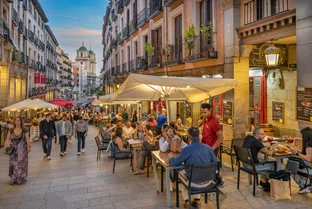
You’ll never forget your first sight of Plaza Mayor. As you emerge through a shady portico into the vast sun-struck square, you’re greeted by a huge equestrian statue of the Habsburg king, Felipe III. Surrounded by crimson, three-storied apartment buildings, Plaza Mayor is the grandest stage set imaginable, where more than 200 balconies become royal boxes on the scene below. It is Madrid in a nutshell: formal, yet casual. This is a regal and a relaxed city, where life is lived on the streets. Friends hop from bar to bar, drinking small beers, ordering tapas and chatting; killing the night, barely sleeping. Antique tavernas with vermouth on tap rub shoulders with restaurants of breath-taking sophistication.
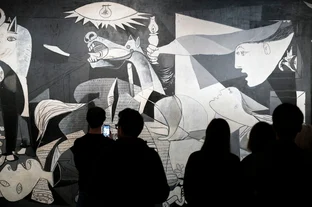
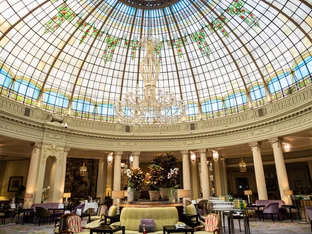
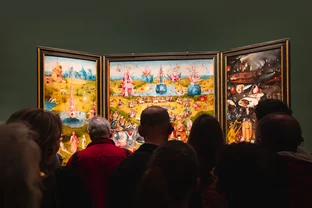
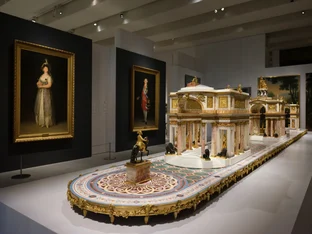
Long overshadowed as a destination by Barcelona, today’s Madrid shines with a renewed confidence. Its triangle of world-class art museums, crowned by the Museo del Prado and its masterpieces by Velázquez, El Greco, and Goya, is joined by the stunning Royal Collections gallery, the city’s first major new museum in a quarter of a century. Madrid’s grandest hotels, the Ritz and Palace—commissioned by a king embarrassed at the sorry state of the capital’s accommodation—are more magnificent than ever following major renovations. Some of Madrid’s most famous thoroughfares have had makeovers too. Once grimy, the iconic architecture of Gran Vía and Puerta de Sol sparkles in the sun. De Madrid al Cielo goes the saying. From Madrid to heaven has rarely felt closer.
Although a modern capital, Madrid is a city that craves the traditional, from antique taverns serving vermouth on tap to authentic dishes like cocido madrileño. That may be because, by Spanish standards, it is relatively young. In 1561, Felipe II decided abruptly to move his court here, for little reason other than it was the geographical center of Spain—and had excellent hunting grounds. The Royal Palace dates from the 18th century, and the cathedral next door was not completed until 1993. There is plenty to explore, but no historic landmarks to equal Granada’s Alhambra, Córdoba’s Mezquita, or Toledo’s cathedral. Madrid’s greatest appeal is the here and now. Be sure to make time to appreciate it.
Things to Do
Your feet will grow weary before you make your way through the masterpieces of the Prado. The collection rivals that of the Louvre, with works from around the world, but since you're in Madrid you may as well focus on the rich collection by Spanish masters Goya and Velázquez. When the temperatures rise, Madrileños catch a cool breeze in the Parque del Retiro with 350 acres of shade trees, gardens, fish ponds, and a lake.
Shopping
For 500 years Madrileños have shopped for deals at the Rastro. On Sundays true bargain-hunters arrive before 7 a.m. for this flea market's best buys, haggling over gems and oddities: Franco-era furniture, costume jewelry and dusty antiques (or knock-offs). If the Gran Via area isn't the city's trendiest shopping district, Madrid doesn't care to hear it. Many prefer the Art Deco shops selling trendy clothing there over any other district in Madrid. Take home the most traditional souvenir — a handbag made from supple Spanish leather.
Nightlife and Entertainment
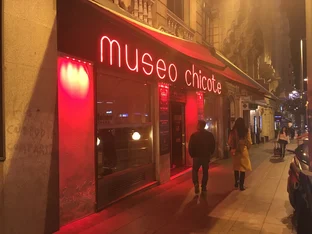
Although not for everyone, Madrid still loves its bullfights. The city's largest bullring is the Plaza de Toros at Ventas, where thousands admire the banderillero's footwork and the bull's fury. After midnight, Madrid's young people flock to the lively bars of Chueca and Huertas for drinks. The city's biggest clubs lie on Calle Arenal.
Restaurants and Dining
Follow Madrid's lead and begin your evening with a tapeo, the Spanish version of a pub crawl. Hop from one tasca, or tapas bar, to the next, sipping Spanish wine and nibbling on chorizo, stuffed peppers and manchego cheese on Ventura de la Vega, Plaza de Santa Ana, or the Plaza de Santa Barbara. After tapas, Madrileños head for dinner, indulging in flavors from across Spain: Andalusian gazpacho, Valencian paella, and Madrid's own lamb and vegetable stew, called cocido.