Memphis spawned several of the most important musical forms of the 20th century, yet Nashville stole the Tennessee limelight with its country music. Ask the average American what makes Memphis special, and he or she might be able to tell you that this is the city of Graceland, Elvis Presley's mansion.
What they're less likely to know is that Memphis is also the birthplace of the blues, rock 'n' roll, and soul music. Memphis is where W. C. Handy put down on paper the first written blues music, where The King made his first recording, and where Otis Redding and Al Green expressed the music in their souls.
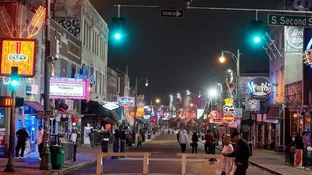
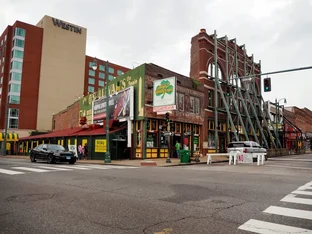
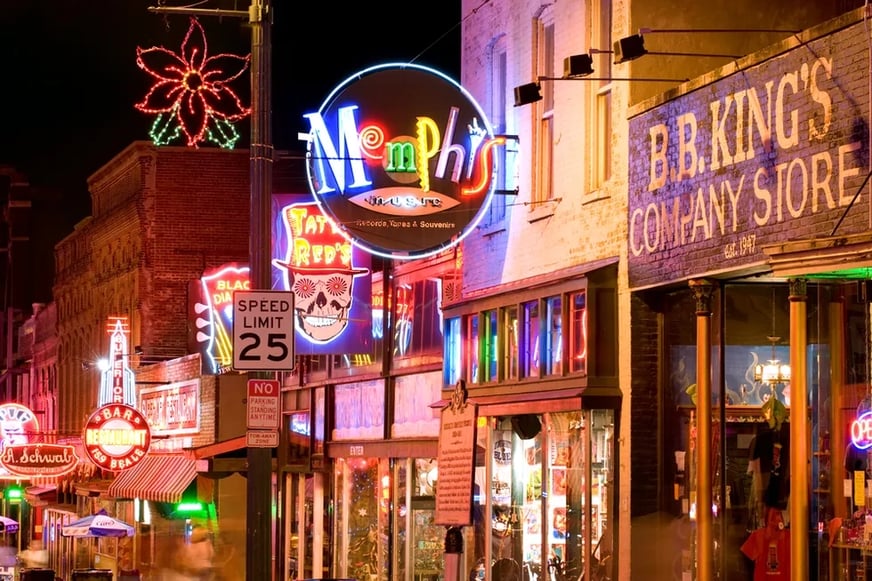
Many fans of American music (and they come from all over the world) know Memphis. Walking down Beale Street today, sitting in the Sun Studio Cafe, or waiting to pass through the wrought-iron gates of Graceland, you're almost as likely to hear French, German, and Japanese as you are to hear English. British, Irish, and Scottish accents are all common in a city known throughout the world as the birthplace of the most important musical styles of the 20th century. For these people, a trip to Memphis is a pilgrimage. The Irish rock band U2 came here to pay homage and wound up infusing their music with Americana on the record and movie U2: Rattle and Hum. Lead singer Bono, when interviewed for the city's new Soulsville museum, called the city's musical heritage "extraordinary."
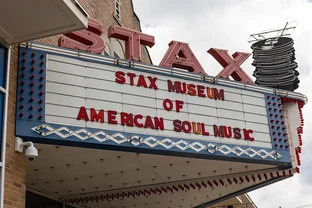
Pilgrims come to Memphis not only because Graceland, the second most-visited home in America (after the White House), is here. They come because Beale Street was once home to Handy -- and later, B.B. King, Muddy Waters, and others -- who merged the gospel singing and cotton-field work songs of the Mississippi Delta into a music called the blues. They come because Sun Studio's owner, Sam Phillips, in the early 1950s began recording several young musicians who experimented with fusing the sounds of "hillbilly" (country) music and the blues into an entirely new sound. This uniquely American sound, first known as rockabilly, would quickly become known as rock 'n' roll, the music that has written the soundtrack for the baby-boom generation.
From Elvis Sights to Goo Goo Clusters: How Do Memphis & Nashville Compare?
Tennessee's two largest cities have much in common, but that doesn't necessarily mean they're the same. Here's an off-the-cuff primer on what's what:
- Barbecue: The cities tie in this category. The slow-cooked, pulled-pork sandwiches served up at Memphis-based barbecue landmark Corky's Bar-B-Q, 5259 Poplar Ave. (tel. 901/685-9744), are just as good at the newer location in Nashville (100 Franklin Rd., Brentwood; tel. 615/373-1020). If you have an aversion to coleslaw sharing bun space with the pig meat, remember to order yours without the customary cabbage topping.
- Brew Pubs: The oven-roasted gourmet pizzas and specialty-brewed beers of Boscos, a Tennessee-based chain that originated in suburban Germantown (outside Memphis), are also great in either city. Both boast prime locations: In Memphis, there's a Boscos in Midtown's Overton Square, 2120 Madison Ave. (tel. 901/432-2222); while Nashville's is not far from Vanderbilt University in the West End, 1805 21st Ave. S. (tel. 615/385-0050).
- Elvis: If a home is a man's castle, Graceland, 3734 Elvis Presley Blvd. (tel. 800/238-2000), was The King's. Memphis may have the best Elvis Presley sights, from the infamous Jungle Room at Graceland to the slick souvenir shops that enshrine the late entertainer. Nashville, however, offers a lesser-known and less-exploited facet of Elvis's career in the RCA Studio B, 30 Music Square W., a small, nondescript studio on Music Row where he recorded albums.
- Football: Yes, the Tennessee Titans (tel. 615/565-4200; www.titansonline.com), the pride of Nashville and the city's first NFL team, have an embarrassing past. When the former Houston Oilers moved to Tennessee and awaited Nashville to build a new stadium, the future Superbowl competitors played their first season in Memphis. Snubbed at not landing the team, Memphians stayed away from the games in droves.
- Goo Goo Clusters: You can buy Goo Goo Clusters in both cities, but they might taste gooier in Nashville, where the nutty, chocolate-covered marshmallow-creme candies rose to fame as a one-time sponsor of the Grand Ole Opry.
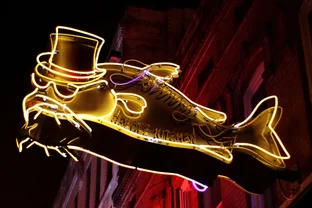
- Music: Sometimes stereotypes are true. While both cities offer more than one musical genre, when boiled down to basics, their musical personalities stack up like this: Memphis is lowdown, greasy blues played in smoky juke joints or along neon-studded Beale Street. Nashville is plaintive bluegrass performed in concert halls or rowdy, boot-scootin' country blaring away in barn-sized clubs.
- Parks: Overton Park in Memphis is a lush oasis in an urban setting. Ditto for Centennial Park in Nashville; however, Music City's green space is also home to an impressive replica of Greece's Parthenon.
- Rivers: Nashville has the Cumberland, a bucolic tributary that wends through one edge of town, while Memphis has become synonymous with Old Man River, the broad and muddy Mississippi River that slices between Tennessee and Arkansas.
- Statues of Famous Sons: Guitar slung over one shoulder, the bronze Elvis statue on Memphis's Beale Street is a favorite place for a photo op, as are the larger-than-life likenesses of the two kings -- Elvis and B.B. King -- at that city's Tennessee State Welcome Center. But Nashville, with all its august state capital buildings, has Sergeant Alvin York, a beloved Tennessee war hero and Quaker (immortalized in the movies by Gary Cooper). Trivia-loving shutterbugs take note that this stately statue bears a flaw: The rifle the World War I soldier is holding is from World War II.