BearFotos / Shutterstock
Reims Travel Guide
143km (89 miles) E of Paris; 29km (18 miles) N of Epernay
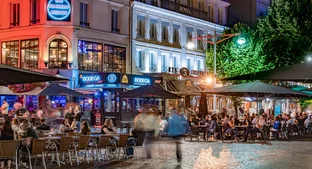
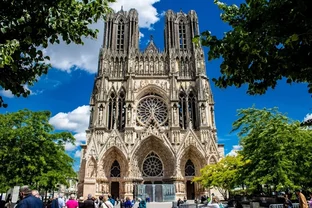
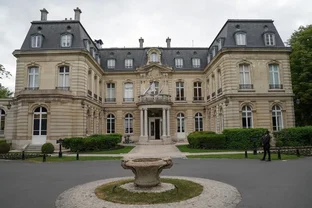
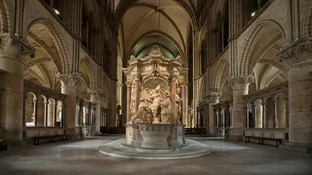
Blessed with a gorgeous cathedral, site of royal coronations for a thousand years, Reims (pronounced “rahns”) is the largest city in the region and the unofficial capital of that deliciously fizzy nectar known as champagne. While it was almost obliterated by bombing during World War I, parts of the historic center have survived, including the above-mentioned cathedral, which, as well as the Basilique St-Rémi, Palais du Tau and St-Nicaise hill (vineyards), is a UNESCO World Heritage Site. If it is not as quaint as other French cities, Reims is an interesting place to visit, with a large pedestrian-only shopping district and some attractive Art Deco architecture. The Christmas market is considered one of the best in France.
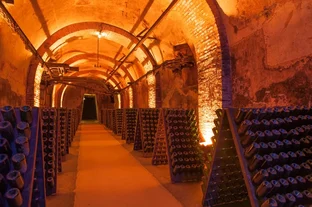
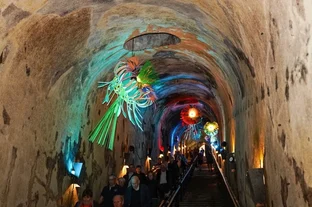
The main draw though, aside from the cathedral, is bubbly. Some of the most famous names in champagne are found here, notably Lanson, Mumm, Pommery, Ruinart, Taittinger and Veuve Clicquot; all offer tours and tastings. Reims makes a good base for exploring the Champagne region and is just a short hop from Epernay.