Things To Do in Gwangju
Bookstore
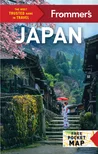
Available as paperback
and as e-book.
Gwangju Attractions
Gwangju Art and Culture Center
The main cultural center of the city (and the region), this is one of the locations for the Gwangju Biennale (which happens during even-numbered years), a showcase of South Korean art and artists.- Religious Site
Jeungshimsa
Located in western Mudeungsan, this temple was founded by Julgam Seonsa during the Shilla Dynasty. Like many of Korea's temples, it was destroyed during the Korean War and rebuilt. It houses the oldest structure in the area, the Obaek-jeon, which houses 500 Nahan statues and the 10… - Cemetery
May 18th National Cemetery
Opened in 1997, the May 18th Cemetery was created to commemorate the civilian casualties from an uprising that occurred on May 18, 1980. Similar but smaller than the Tiananmen Square massacre, the Gwangju uprising was fueled by student protests to demand democracy. The official count… - Hiking/Biking Route
Mudeungsan (Mt. Mudeung) Provincial Park
Overlooking Gwangju city, this beautiful mountain is an easy climb. The highest peak is Cheonwang-bong with two other peaks. The best views are in the Wonhyo Valley (on the north) and Yeongchu Valley (on the south). At the base of the mountain, there are famous temples: Yaksa-am,… - Religious Site
Wonhyosa
Located near the entrance to the Mudeungsan Provincial Park, Wonhyosa was also founded by the famous Monk Wonhyo Daesa. Excavations show that the temple was built at the end of the Shilla Dynasty and renovated during the reign of King Chungsuk (1314-39) of the Goryeo Dynasty.…
Gwangju Shopping
Gwangju is a traditional city in the middle of an agricultural area. Specialties of the area include handmade brushes (for calligraphy and ink painting), lacquerware, and tea grown in nearby Mudeungsan.
Stop by "Art Street," which becomes the Gaemi Shijang ("Ant" Market) on weekends, where you'll find art and antiques from the area. Even on weekdays this three-street area is the city's cultural hub. Masters of pansori and gayageum (a traditional stringed instrument), as well as master calligraphers and potters, live and work in the area. Be sure to check out the beautiful musical instruments and the calligraphic works from the region. To reach "Art Street," located behind the Jung-ang Elementary School, take bus no. 11, 17, 30, 222, or 333 to the Docheong bus stop and walk about 5 minutes.