Sherbrooke Village

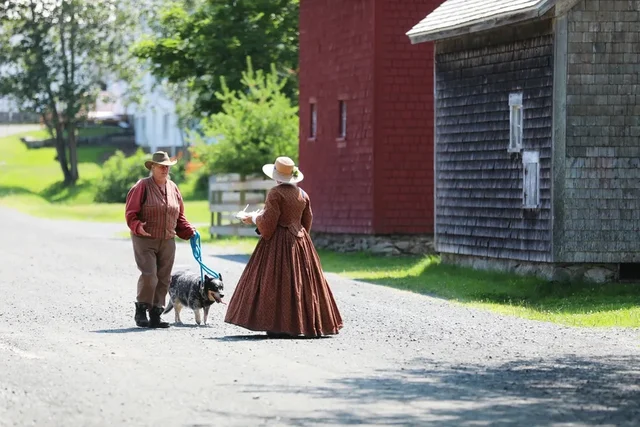
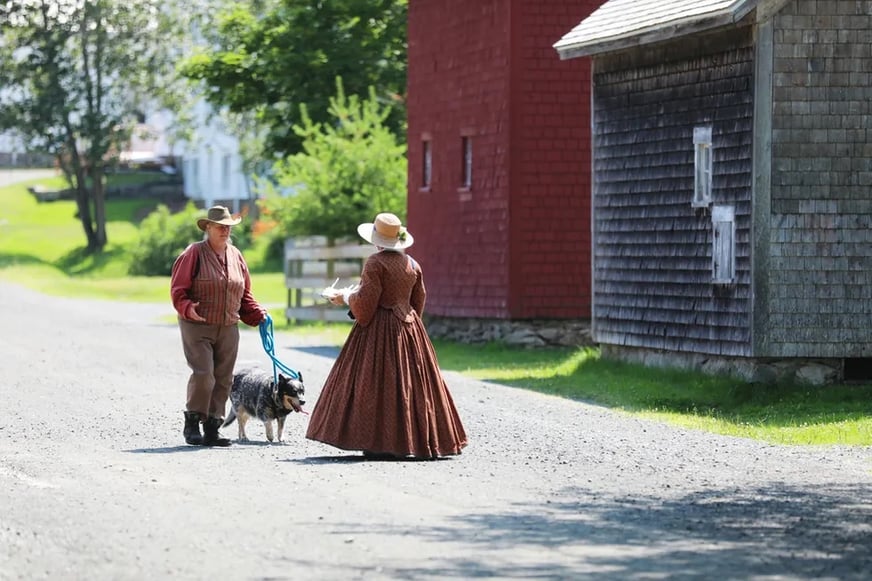
Another historic village, but this one is like a Victorian greeting card, a window to a time in the past when horses moved people, and when small communities were self-sufficient. Sherbrooke is the largest restored village in all of Nova Scotia, and is unique in several respects. For one, almost all the buildings here are on their original sites (only two have been moved, unlike Memory Lane, above). That’s very rare in museums like this. Second, many of the homes are still occupied by local residents—and other private homes are interspersed with the ones open to visitors. So, it’s not just a historic exhibit. About two-dozen buildings have been restored and opened to the public, from a convincing general store to an operating blacksmith shop and post office. Look also for the former temperance hall, courthouse, printery, boatbuilding shop, drugstore, and schoolhouse. All are capably staffed by genial interpreters in costume, who can tell you what life was like around here from the 1860s forward. Be sure to ask about the source of the town's early prosperity; you might be surprised. You could easily spend up to a half-day here, depending on your (or your kids') interest level.
Another historic village, but this one is like a Victorian greeting card, a window to a time in the past when horses moved people, and when small communities were self-sufficient. Sherbrooke is the largest restored village in all of Nova Scotia, and is unique in several respects. For one, almost all the buildings here are on their original sites (only two have been moved, unlike Memory Lane, above). That’s very rare in museums like this. Second, many of the homes are still occupied by local residents—and other private homes are interspersed with the ones open to visitors. So, it’s not just a historic exhibit. About two-dozen buildings have been restored and opened to the public, from a convincing general store to an operating blacksmith shop and post office. Look also for the former temperance hall, courthouse, printery, boatbuilding shop, drugstore, and schoolhouse. All are capably staffed by genial interpreters in costume, who can tell you what life was like around here from the 1860s forward. Be sure to ask about the source of the town's early prosperity; you might be surprised. You could easily spend up to a half-day here, depending on your (or your kids') interest level.
Details
Bookstore

Available as paperback
and as e-book.