

Frommers.com Community
By Julie Duchaine
Scuba divers will testify -- there's no more jaw-dropping sight than a healthy coral reef, with its vivid colors, mazy shapes, quicksilver fish, and dreamy anemones. But a quarter of the world's coral reefs are now dead, and marine biologists estimate that 70% could be gone by 2020. We wouldn't just lose those coral palaces; the species they shelter would have no other home (one-quarter of all fish species dwell only in coral reefs). Sure, some reefs are more imperiled than others, but make no mistake -- they are all at risk.
These 10 extraordinary reefs illustrate how important coral reef preservation is throughout the world:
Photo Caption: A kayaker paddles over a field of purple gorgonians growing on a shallow coral reef, near Blackbird Caye in Belize.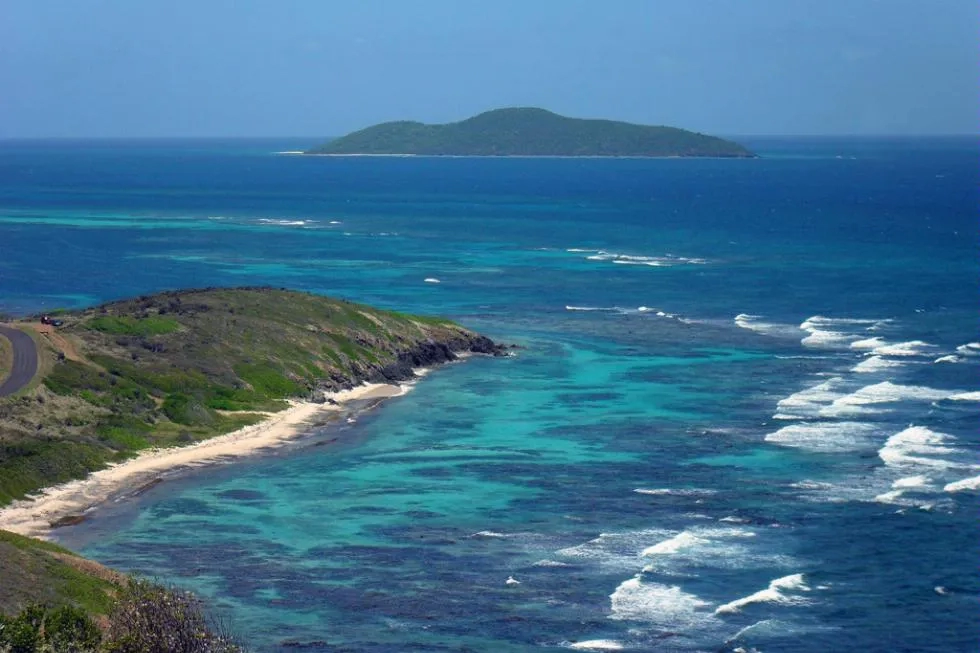 Buck Island is considered one of the finest marine gardens in the Caribbean. This protected island and its reef teem with life, including the hawksbill turtle and the brown pelican. It's most famous with snorkelers who explore its passages through its underwater trail. Half-day and full-day trips are available through Big Beard's Adventure Tours (tel. 340/773-4482 or 866/773-4482; www.bigbeards.com) or Caribbean Sea Adventures (tel. 340/773-2628; www.caribbeanseaadventures.com).
Photo Caption: View of Buck Island, USVI.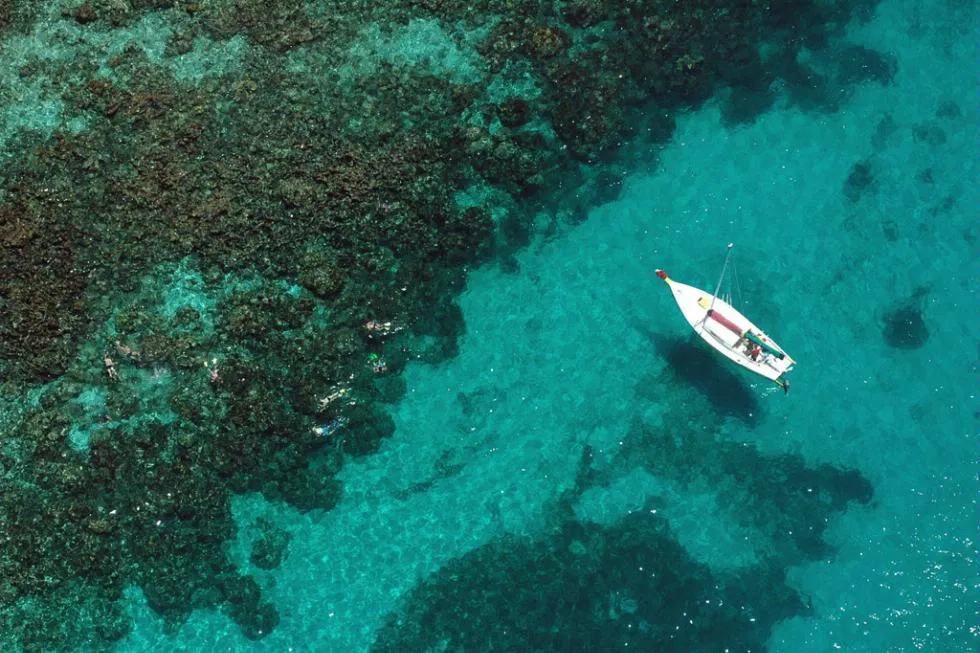 This UNESCO World Heritage site is the second-largest barrier reef next to Australia's Great Barrier Reef. It offers visitors the chance to snorkel, fish, and engage in watersports along its 288km (179-mile) span. Here you'll find clear waters and a wide variety of reef formations, including the Blue Hole, which is visible from space; despite its seemingly pristine nature, it's estimated that 40% of this reef has been damaged since 1998. Natural Habitat Adventures.
More Info: tel. 800/543-8917; www.nathab.com/index.aspx
Photo Caption: Divers and coral reef are photographed from a plane over Ambergris Caye, Belize.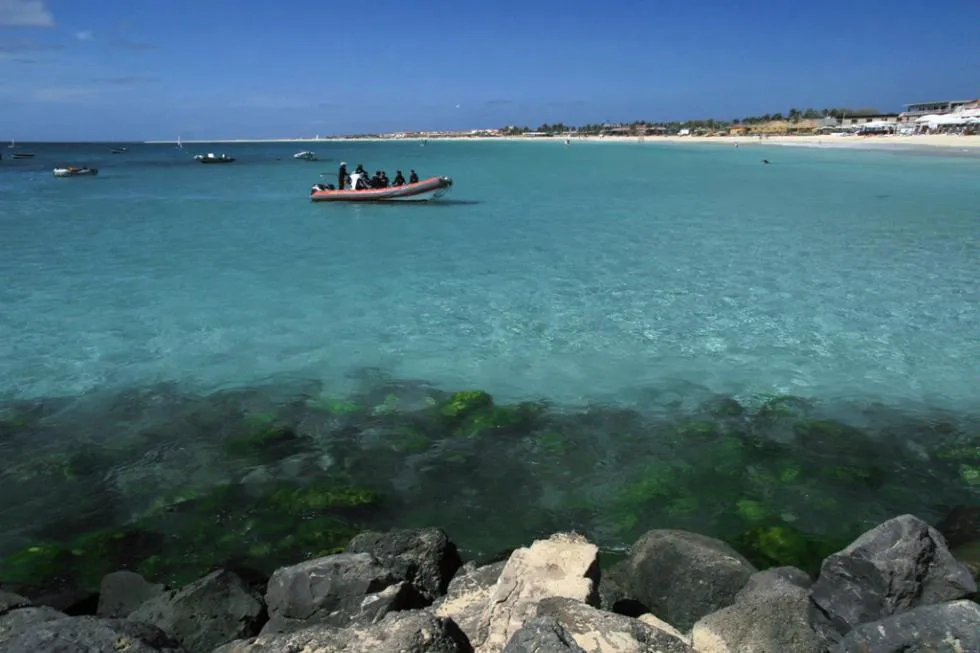 Tourism hasn't yet overwhelmed this Portuguese colonial outpost in the Atlantic, west of Africa. Its lava shoal reefs -- many of which formed around shipwrecks -- are rich in marine life, including manta rays, sharks, tuna, dolphins, and turtles, not to mention underwater flora and surprising caves. Humpback and gray whale migrations in March and April are an added attraction.
More Info: www.caboverde.com
Photo Caption: Ilha do Sal, Cape Verde.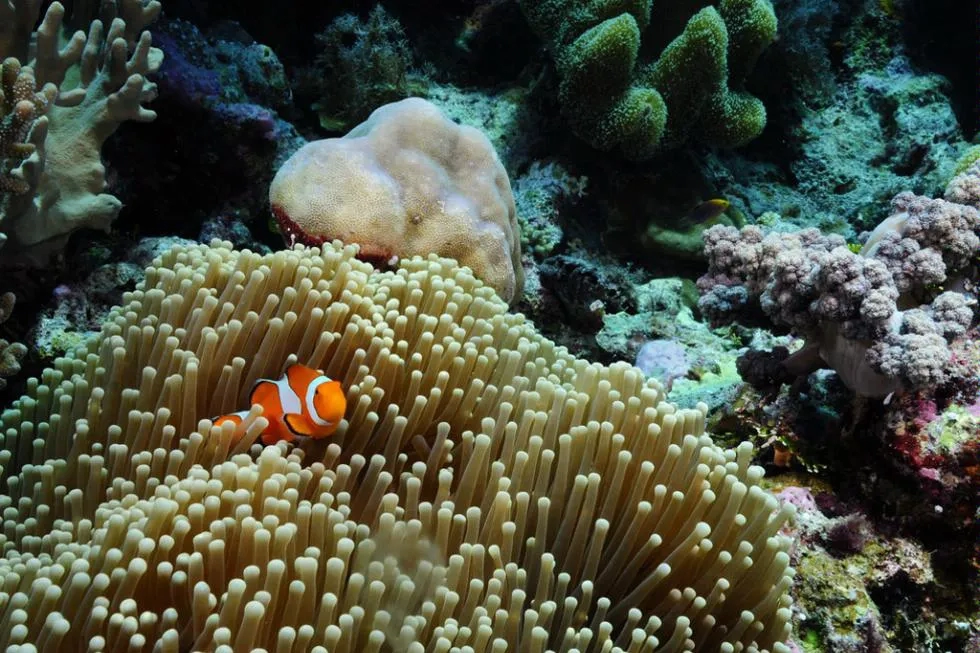 Set up in the mid-1990s in southeast Sulawesi, Indonesia, this remote four-island marine preserve is reachable only from the Wakatobi Dive Resort. It's a spectacular reef with astonishing diversity and some truly beautiful coral formations, both hard and soft. More than 40 dive sites are available, many of them quite shallow.
More Info: tel. 62/868/121 22355
Photo Caption: Underwater at Wakatobi National Marine Park.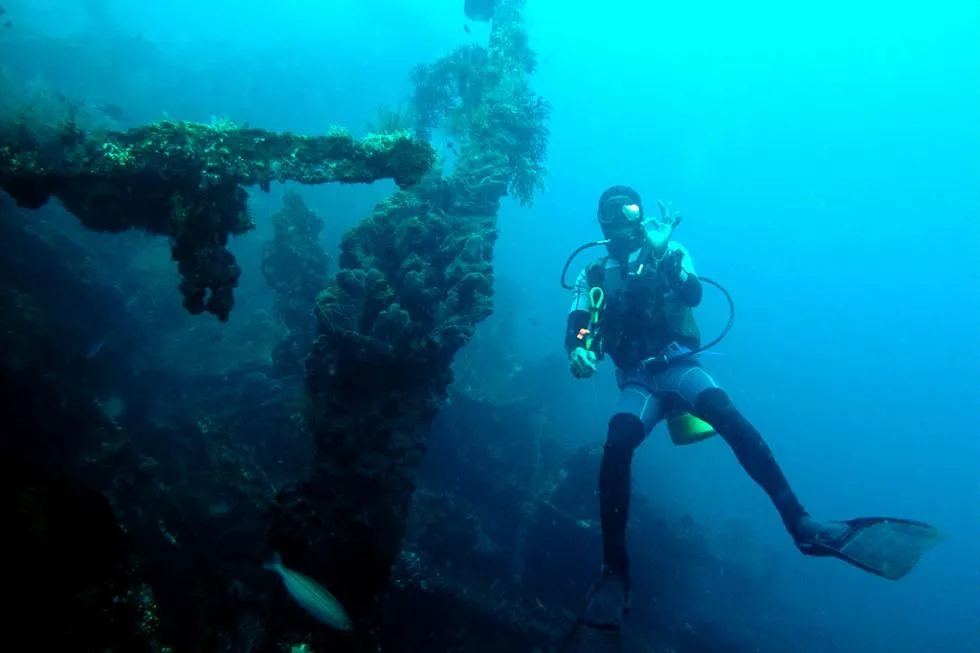 Perhaps the most diverse coastal environment in the world lies on the east end of Bali, where divers spot many small, fugitive species that exist nowhere else on earth. The most spectacular reefs are offshore from Amuk Bay and the Lombok Strait harbor. Base yourself in the small resort town of Candi Dasa, where storefront dive operators abound, or the nearby fishing village Padangbai, the base of Geko Divers.
More Info: tel. 62/363/41516; www.bali-paradise.com
Photo Caption: Diving Tulamben, Bali.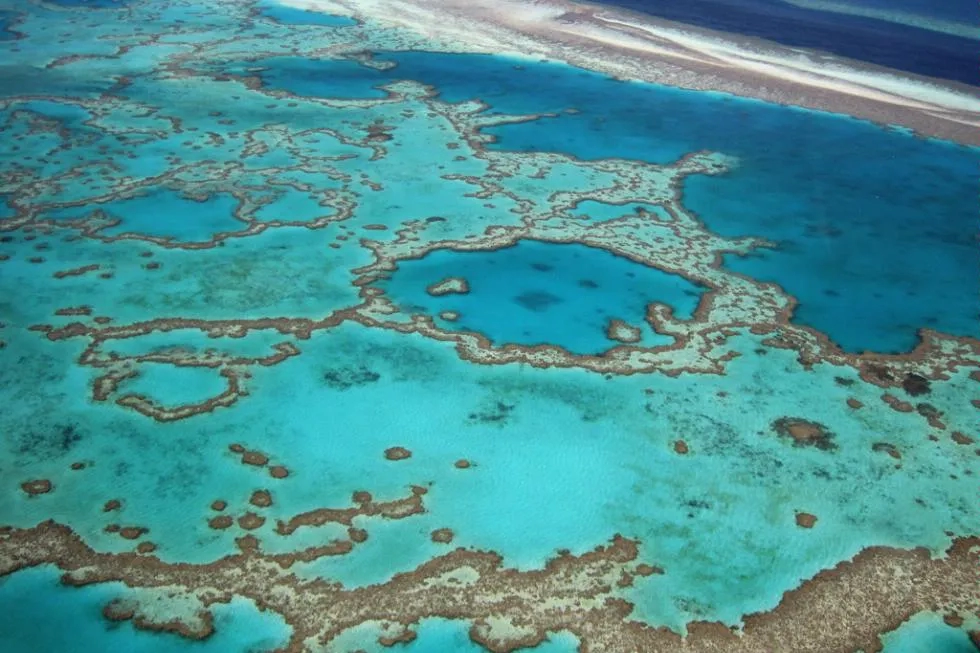 Australia's Great Barrier Reef is so immense, it's visible from the moon. Snorkelers can view the reef's profuse marine life in the shallow waters around the coral cay of Green Island or sandy Beaver Cay, an hour's boat ride from Mission Beach, south of Cairns. Scuba divers may prefer the dazzling reef architecture out on the rain-forested islands of the Outer Reef: Base yourself in the Whitsunday Islands, where operators such as Reef Dive (tel. 61/7/4946 6508) and Kelly Dive (tel. 61/7/4946 6122) explore the Great Barrier Reef Marine Park. Great Barrier Reef Visitors Bureau.
More Info: tel. 07/3876 4644; www.great-barrier-reef.com
Photo Caption: Aerial view of The Great Barrier Reef.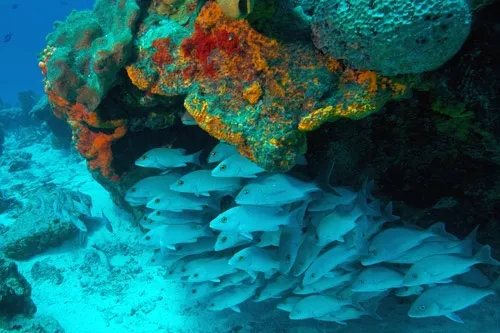 Off the Yucatan coast, Cozumel is often rated the top dive site in the Western Hemisphere, with spectacular reefs built up by a strong (and somewhat tricky) coastal current. Known for its dramatic underwater topography of steep dropoffs and underground caverns, it's best navigated with seasoned dive operators like Aqua Safari (tel. 52/987/872-0101; www.aquasafari.com) or Liquid Blue Divers (tel. 52/987-869-7794; www.liquidbluedivers.com).
More Info: www.islacozumel.com.mx
Photo Caption: School of fish along the reef in Cozumel.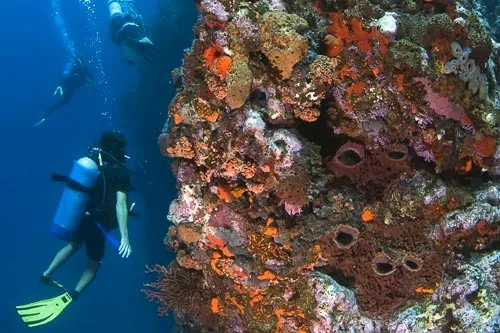 Saba may look tiny and rocky above the water, but undersea it's got a wealth of dive sites, especially around a number of spiky offshore pinnacles, richly encrusted with coral and sponges. The protected Saba Marine Park, Ford Bay (tel. 599/416-3295), circles the entire island, including four seamounts (underwater mountains), more than two dozen marked and buoyed dive sites, and a snorkeling trail. Operators include Sea Saba Dive Center in Windwardside (tel. 599/416-2246) and Saba Deep Dive Center in Fort Bay (tel. 599/416-3347).
More Info: www.sabatourism.com
Photo Caption: Diving near man o' war shoals in Saba.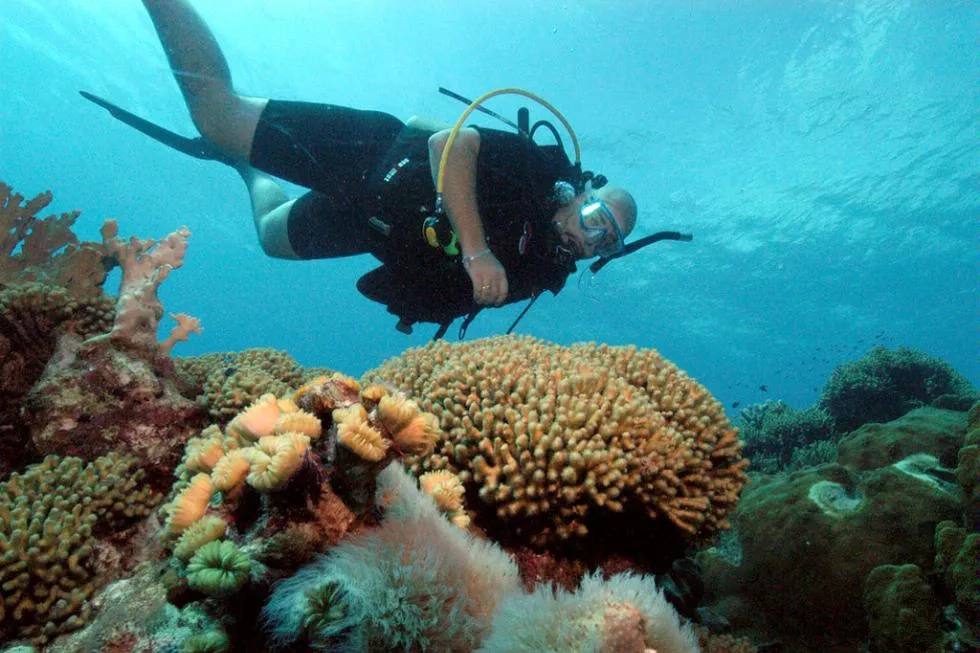 Thanks to the pioneering Bonaire Marine Park -- which includes 80-plus dive sites along with permanent boat moorings and attentive rangers -- this Caribbean island's reefs remain in prime condition. It's a haven for more than 355 species, from beautiful parrotfish and damselfish to huge groupers and tough moray eels. Operators include Dive II (tel. 599/717-8285) and Bonaire Dive and Adventures (tel. 599/717-2229).
More Info: tel. 800/BONAIRE [266-2473]; www.infobonaire.com
Photo Caption: Diving in Klein Bonaire (Little Bonaire).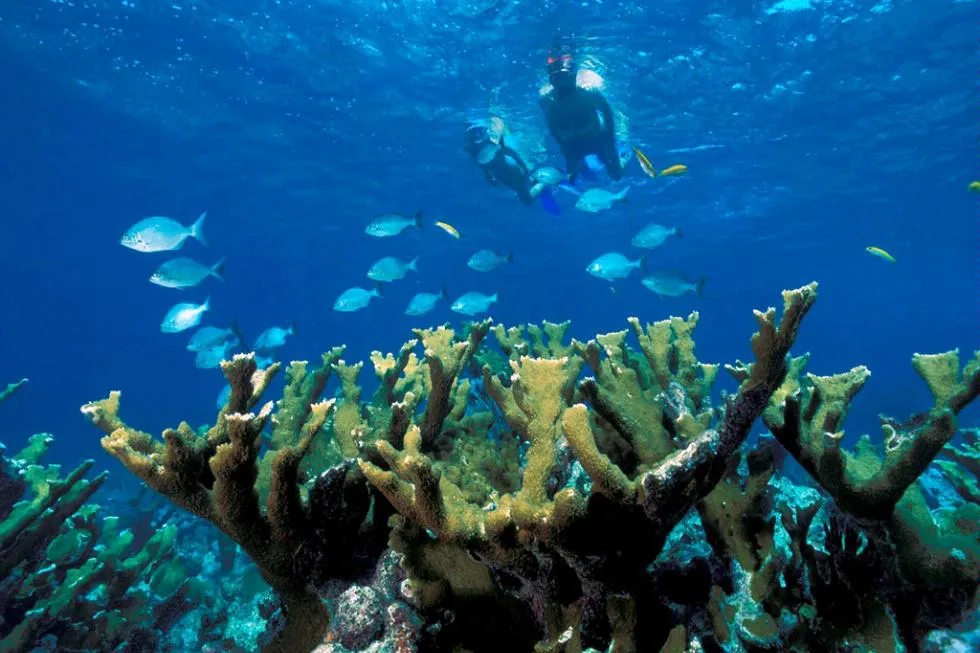
Scuba divers will testify -- there's no more jaw-dropping sight than a healthy coral reef, with its vivid colors, mazy shapes, quicksilver fish, and dreamy anemones. But a quarter of the world's coral reefs are now dead, and marine biologists estimate that 70% could be gone by 2020. We wouldn't just lose those coral palaces; the species they shelter would have no other home (one-quarter of all fish species dwell only in coral reefs). Sure, some reefs are more imperiled than others, but make no mistake -- they are all at risk.
These 10 extraordinary reefs illustrate how important coral reef preservation is throughout the world:
Photo Caption: A kayaker paddles over a field of purple gorgonians growing on a shallow coral reef, near Blackbird Caye in Belize.
Photo Caption: View of Buck Island, USVI.
More Info: tel. 800/543-8917; www.nathab.com/index.aspx
Photo Caption: Divers and coral reef are photographed from a plane over Ambergris Caye, Belize.
More Info: www.caboverde.com
Photo Caption: Ilha do Sal, Cape Verde.
More Info: tel. 62/868/121 22355
Photo Caption: Underwater at Wakatobi National Marine Park.
More Info: tel. 62/363/41516; www.bali-paradise.com
Photo Caption: Diving Tulamben, Bali.
More Info: tel. 07/3876 4644; www.great-barrier-reef.com
Photo Caption: Aerial view of The Great Barrier Reef.
More Info: www.islacozumel.com.mx
Photo Caption: School of fish along the reef in Cozumel.
More Info: www.sabatourism.com
Photo Caption: Diving near man o' war shoals in Saba.
More Info: tel. 800/BONAIRE [266-2473]; www.infobonaire.com
Photo Caption: Diving in Klein Bonaire (Little Bonaire).