

Gina Dilg (Floyd Creative)
Nashville, Tennessee, is considered the capital of country music, a distinction that is anchored by the famous Grand Ole Opry, but the genre wasn't born there. In fact, country music has complex and various origins spanning many American states. What we call country today was in fact influenced by folk, gospel, mountain music, bluegrass, and old-time—and fans can trace its development at museums, landmarks, and historic sites throughout Appalachia and the South.
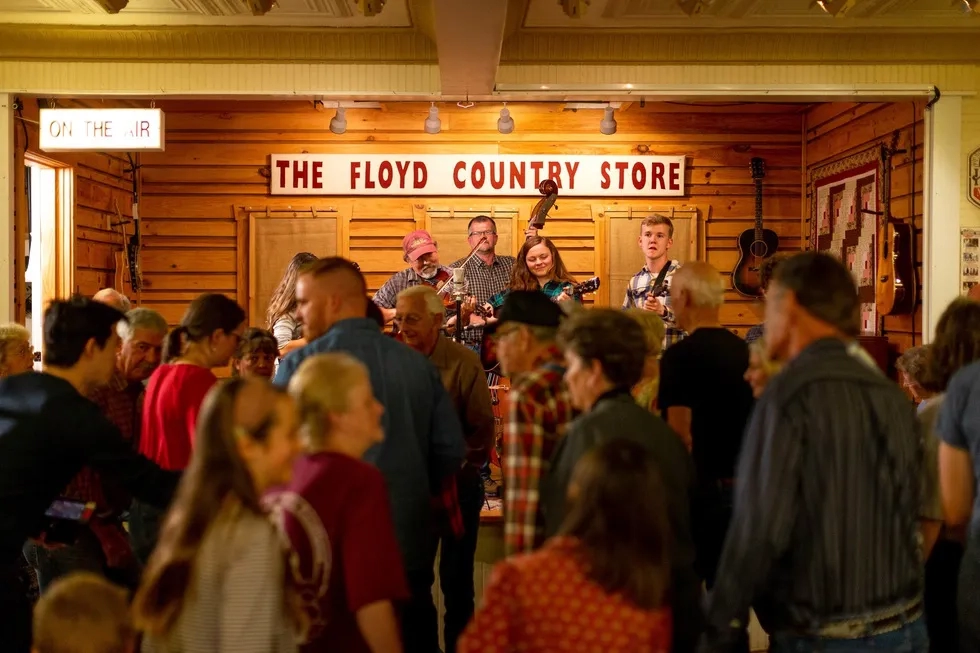
Pictured: Floyd Country Store, Floyd, Virginia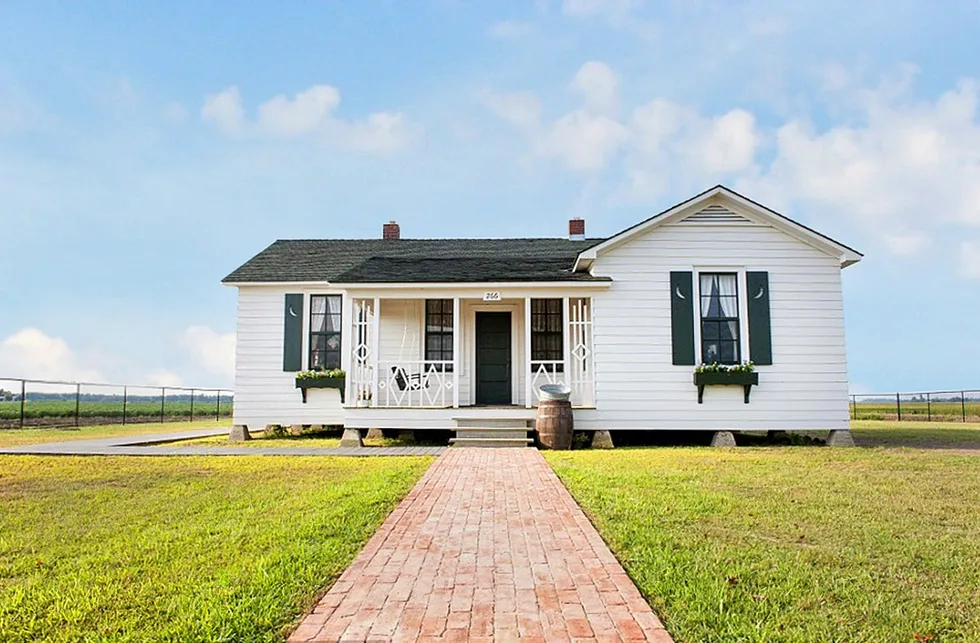
110 Center Dr.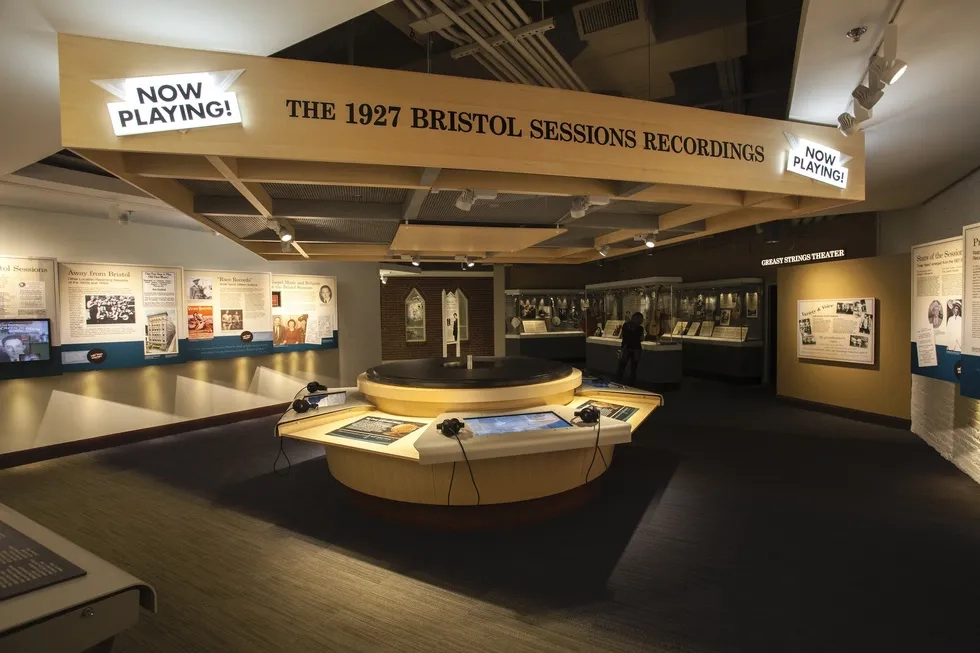
3449 A.P. Carter Highway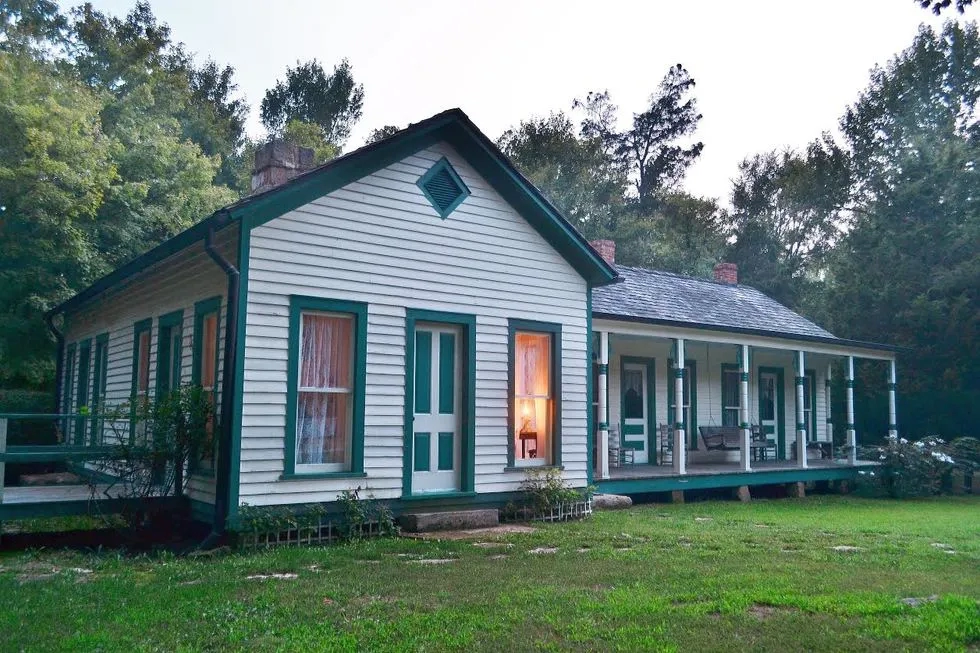
206 South Locust St.; closed Mon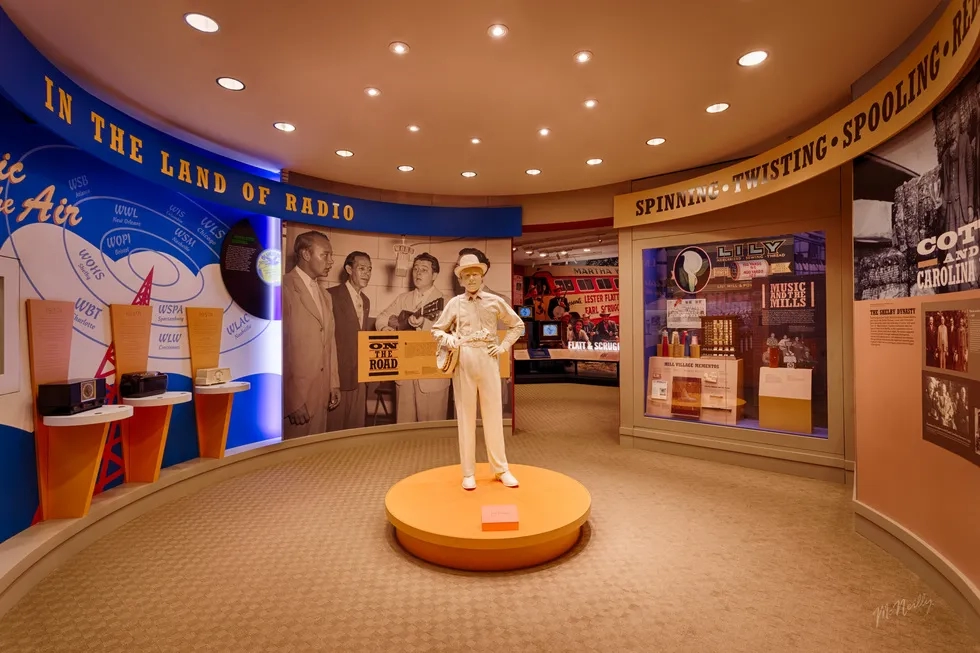 Bluegrass artist Earl Scruggs developed the “Scruggs style” by picking strings with three fingers, revolutionizing the genre. He performed with Lester Flatt (the guitarist and mandolin player behind The Beverly Hillbillies theme song) and the duo came up with such classics as “Foggy Mountain Breakdown,” which won two Grammy awards.
The Earl Scruggs Center, set inside the Cleveland County Courthouse (built in 1907), traces his career as well as the story of life in rural North Carolina. Its calendar is full of lively reasons to travel here: It throws an annual music festival, frequent concerts, and seasonal “pickin’ on the square” outdoor performances—so check its schedule to get the most out of a visit.
103 S. Lafayette St.
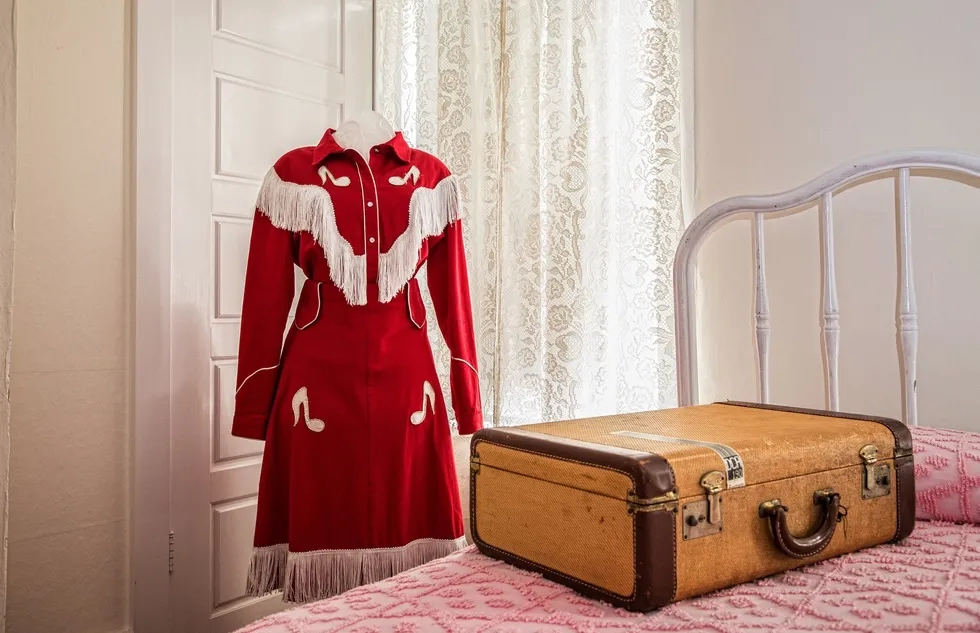
The house where she lived in the 1940s has been preserved along with some of her belongings. The modest two-story white home was a place to which Cline consistently returned over the years, even after hitting it big in Nashville. Now a museum, it schedules guided tours daily.
608 S. Kent St.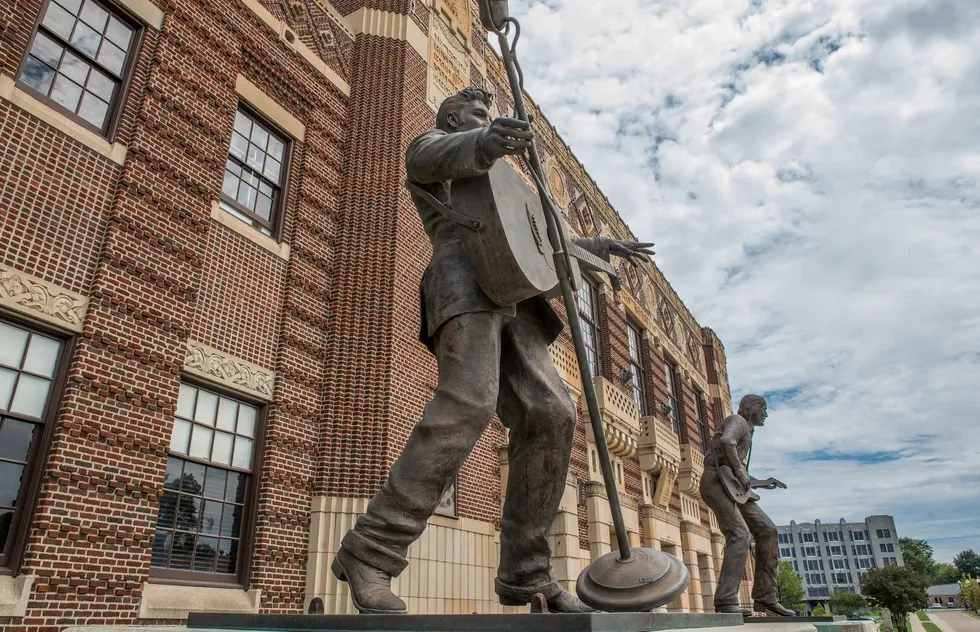 This 1920s Art Deco Shreveport Municipal Auditorium in northwest Louisiana was the home of the Louisiana Hayride, a bygone CBS radio show that was similar to the Grand Ole Opry. Until it ended in the 1960s, the program launched countless careers, including those of Hank Williams, Johnny Cash, and, most notably, Elvis Presley. Well after Elvis left the building, he was memorialized with both a statue in front (pictured) and a namesake street. The theatre continues to host traveling acts, and music fans can also take guided tours.
705 Elvis Presley Ave.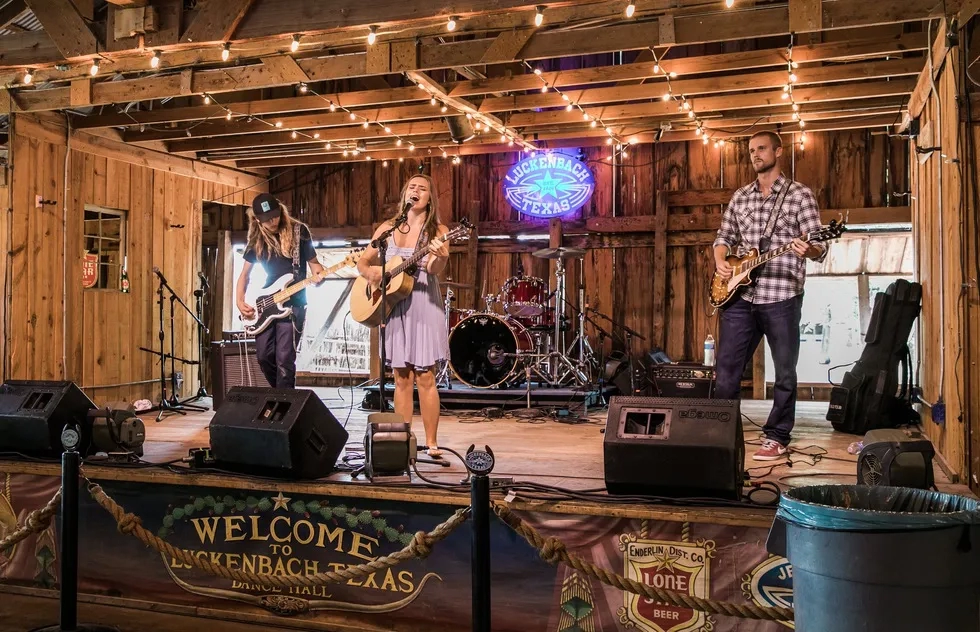
412 Luckenbach Town Loop, Fredericksburg
Pictured: Floyd Country Store, Floyd, Virginia
The Dyess Colony was established in 1934 in the Arkansas Delta to provide a home for poor farming families as part of President Franklin D. Roosevelt’s New Deal programs. Johnny Cash’s family moved here to get a fresh start after the Great Depression, and he lived here through high school.
The simple white home where he was born has been preserved as a historic site, managed by Arkansas State University along with a historic theatre. Exhibits and artifacts trace Cash’s early life and rise to fame as he grew into a superstar who spanned country, gospel, and rock.
110 Center Dr.
The "Bristol Sessions" recordings have been called the Big Bang of country music—in 1927, a record producer used then-new technology of portable electrical recording to capture the delicate music detail in more than 70 songs, including the first preserved performances of both the Carter Family and Jimmie Rodgers, who became known as the “Father of Country Music.” The resulting releases allowed for home consumption of this music, spreading the genre’s popularity and permanance.
The Smithsonian-affiliated Birthplace of Country Music Museum (closed Mondays), set in the sister cities that straddle the Virginia and Tennessee border, opened in 2014 and the professionally curated exploration spans two levels of interactive exhibits on the significance of these recordings. There’s a performance theater used during an annual music festival as well as an operational radio station—you can listen to that any time you want on the museum's website.
101 Country Music Way
101 Country Music Way
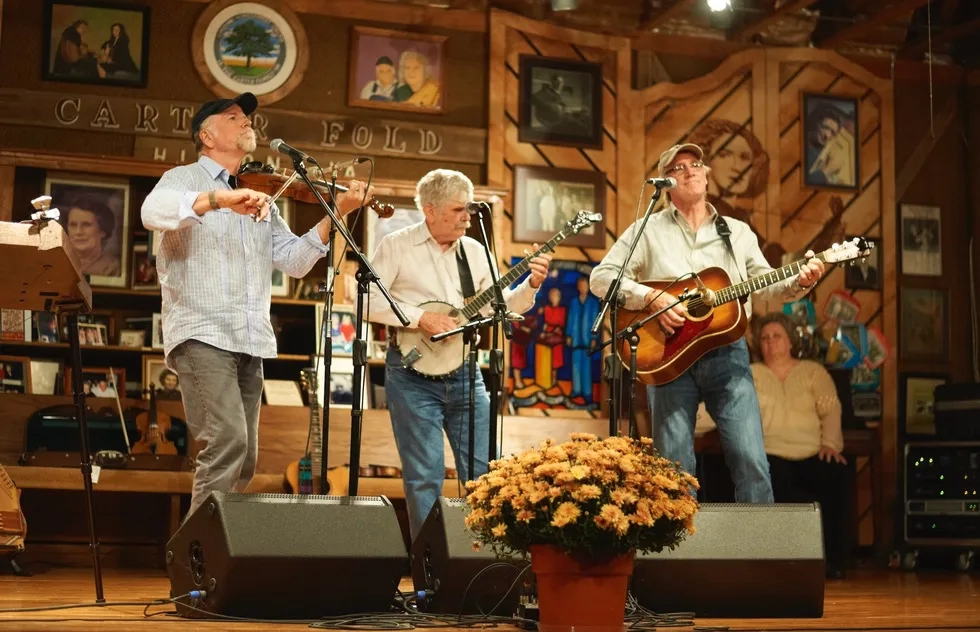
The Carter family, which originally performed as a trio in the 1920s and their work was captured in the Bristol Sessions. Partly thanks to those recordings, they came to be considered the “first family” of early country music, and their legacy continued into the next generation, which included June Carter.
In Southwest Virginia, their homestead, the Carter Family Fold, is set in the shadow of Clinch Mountain. A.P. Carter's General Store now serves as a public museum and a log cabin that belonged to him has also been relocated here. Members of the Carter family continue to operate the site, hosting bluegrass and old-time music every weekend, but the museum is only open to coincide with performances, so check the schedule ahead of time.
3449 A.P. Carter Highway
“Father of Bluegrass” Bill Monroe learned to play the fiddle at a young age. Now his childhood home (pictured, 6210 U.S. Highway 62 East, Beaver Dam) where he first played programs bluegrass jam sessions called “Pickin’ on the Porch” while inside, you’ll find items that belonged to the Monroe family.
Monroe also lived for a time a few miles away with his Uncle Pen. That cabin has been recreated on its original site, and it, too, is now another small Monroe museum (Pen Lane, Rosine). the Rosine Barn Jamboree is held seasonally, hopping with Bluegrass and dancing on Friday nights.
Monroe also lived for a time a few miles away with his Uncle Pen. That cabin has been recreated on its original site, and it, too, is now another small Monroe museum (Pen Lane, Rosine). the Rosine Barn Jamboree is held seasonally, hopping with Bluegrass and dancing on Friday nights.
The Floyd Country Store started as a turn-of-the-century general emporium supplying essentials to residents of rural Southwest Virginia, and today, it still sells locally made goods such as apple butter, soaps, toys, and clothing.
But these days, more people come for performance. Since the 1980s, the store has hosted its Friday Night Jamboree, which showcases Appalachian music with traditional flatfoot dancers and cloggers, two traditional styles in the region. The store (closed Mondays) is also one of the venues on The Crooked Road, Virginia’s official Heritage Music Trail designed to guide tourists to the hotspots of historic music.
206 South Locust St.; closed Mon
The Earl Scruggs Center, set inside the Cleveland County Courthouse (built in 1907), traces his career as well as the story of life in rural North Carolina. Its calendar is full of lively reasons to travel here: It throws an annual music festival, frequent concerts, and seasonal “pickin’ on the square” outdoor performances—so check its schedule to get the most out of a visit.
103 S. Lafayette St.
Winchester native Patsy Cline's ambitions began at an early age; she wrote a letter asking to perform at the Grand Ole Opry at age 15. Despite an initial rejection, she kept singing and touring until she made a name for herself, eventually joinging the Opry at age 27 and becoming one of the most influential female crossover artists in country music history. She tragically died in a plane crash in 1963, aged just 30.
The house where she lived in the 1940s has been preserved along with some of her belongings. The modest two-story white home was a place to which Cline consistently returned over the years, even after hitting it big in Nashville. Now a museum, it schedules guided tours daily.
608 S. Kent St.
705 Elvis Presley Ave.
Just south of Fredericksburg, the tiny village of Luckenbach is best known as the inspiration for the song “Luckenbach, Texas (Back to the Basics of Love)” by Waylon Jennings. Established in 1849 by a German preacher, its heart was its general store, post office, and bar.
In the 1970s, eccentric entrepreneur Hondo Crouch and his friends purchased the town and restored its dance hall. Now it's a country landmark. The hall, which is covered with mounted animal heads, police patches, and dollar bills, is now the setting for regular concerts and festivals, attracting musicians such as Jerry Jeff Walker, who wrote the song “Mr. Bojangles.” Fellow “outlaw country” artist Willie Nelson also held his annual Fourth of July picnics in the town. Luckenbach continues to be a popular way station for modern country music artists.
In the 1970s, eccentric entrepreneur Hondo Crouch and his friends purchased the town and restored its dance hall. Now it's a country landmark. The hall, which is covered with mounted animal heads, police patches, and dollar bills, is now the setting for regular concerts and festivals, attracting musicians such as Jerry Jeff Walker, who wrote the song “Mr. Bojangles.” Fellow “outlaw country” artist Willie Nelson also held his annual Fourth of July picnics in the town. Luckenbach continues to be a popular way station for modern country music artists.
412 Luckenbach Town Loop, Fredericksburg