

The courthouse where the Lovings of Loving v. Virginia fame were arrested, tried, and briefly jailed in 1959 has been added to the U.S. Civil Rights Trail.
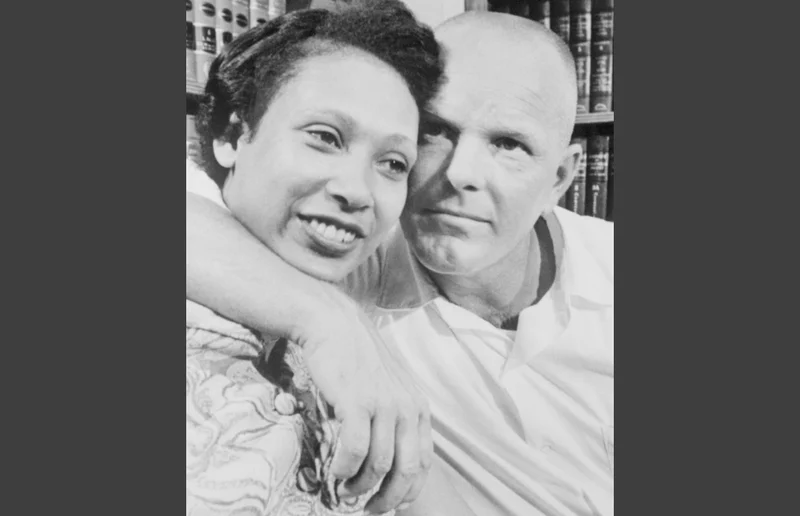
The law that Richard and Mildred Loving had violated banned interracial marriage in Virginia. The couple's case eventually led to a landmark ruling from the Supreme Court, which held that such laws violated the Constitution. Their story was made into a film, Loving, in 2016.
The humble Caroline County Courthouse where that momentous legal battle began was among six historic sites newly recognized earlier this year by the U.S. Civil Rights Trail, a collection of landmarks across the South that "explore pivotal stories, places, and voices that shaped the nation’s Civil Rights Movement" in the 1950s and '60s, as the organization explained in a news release.
Launched in 2018, the trail is the result of a partnership among tourism offices across 13 states and Washington, D.C. The project currently covers more than 130 churches, schools, museums, and other important places.
From a travel-planning perspective, the trail's chief asset is its website, where you'll find an interactive map to help locate landmarks as well as profile pages containing histories, photos, videos, music, and other materials to put events in context.
There's also key info about visiting. For the Caroline County Courthouse in Bowling Green, Virginia, for example, the trail's web page points out that because the building remains in use for legal proceedings, visitor access to the interior is limited—though you can go inside certain areas by making an appointment, and you can see the grounds and a historical marker commemorating the Loving case as well.
Other sites recently added to the U.S. Civil Rights Trail
Driving about an hour and a half southeast will take you to another Virginia site recently added to the Civil Rights Trail: the Gloucester Museum of History.
In addition to recounting Gloucester County's past starting from the Colonial era, the museum will fill you in on the lives of local luminaries such as anti-segregation activist Irene Morgan; educator Robert Russa Moton; and T.C. Walker, the county's first African American lawyer.
Beyond Virginia, the trail's 2026 inductees include:
• the Texas & Pacific Railway Depot in Natchitoches, Louisiana, described in the release as one of the state's "best-preserved examples of a segregated public building, with separate entrances, ticket windows, restrooms, and waiting rooms for Black and white passengers"
• Florida's Jacksonville Civil Rights Trail, which "uses place-based markers, education, and storytelling to highlight where history unfolded and to connect visitors to the streets, neighborhoods, and institutions where organizing took root" in the city
• and a pair of music-related spots in Music City: Nashville's Jefferson Street Sound Museum, which documents a "center of Black creativity and activism" from the 1940s through the '70s, per the trail's website; and the recently opened Museum of Christian & Gospel Music, celebrating a genre that in many ways supplied the soundtrack of the movement.
To explore new and existing sites included in the project and to start mapping out a road trip, visit CivilRightsTrail.com.
Related: Stirring Images of the U.S. Civil Rights Trail from Its Official Companion Book