

As many of us learned in elementary school, St. Augustine, Florida, lays claim to being the oldest continuously inhabited European-founded city in the United States.
But recountings of that long past often focus on Spanish colonizers and others of European backgrounds, according to the organizers of the St. Johns County Black Heritage Trail, a project designed to tell the story of the region's Black residents—a history that spans five centuries.
As a matter of fact, by the time of the Declaration of Independence signing in 1776, people of African descent had lived in the St. Augustine area for more than 200 years and had even established the first legally sanctioned free Black community in what would become the United States.
That would be Fort Mose, an area where, starting in the mid-18th century, the Spanish offered strategic sanctuary to Black freedom seekers who escaped their British captors.
Now a state park with historical replicas, a visitor center, and an interpretative boardwalk (pictured at the top of this page), Fort Mose is a crucial stop on the St. Johns County Black Heritage Trail, which connects 20 different sites across St. Augustine and the surrounding communities.
To follow along the self-guided trail, go to the website maintained by the St. Johns Cultural Council, where you'll find detailed descriptions of notable locations as well as photos, timelines, and interactive maps for planning a tour of the trail by foot or by car.
You can also download a free digital booklet with more in-depth information, archival photos, and fascinating stories.
St. Johns County Black Heritage Trail Highlights
There are locations on the trail covering the region's history from Spanish colonization to the Civil Rights era.
Beyond Fort Mose, here are some must-sees:
• The Lincolnville Museum and Cultural Center, housed in a former segregated high school, has exhibits commemorating African American history from a local perspective. The surrounding Lincolnville Historic District includes a large cluster of Victorian-era homes where many formerly enslaved people settled after the Civil War.
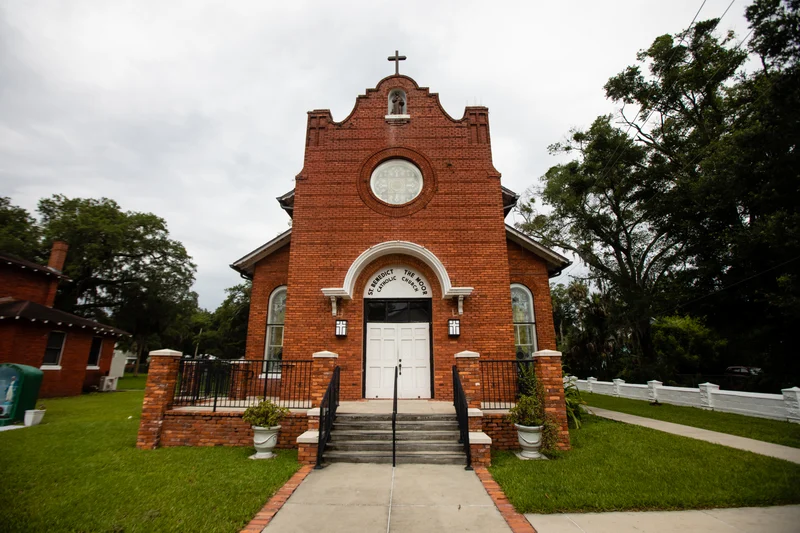
• St. Benedict the Moor School was one of Florida's first Catholic schools established to teach Black children, drawing the ire of white authorities in the early 20th century.
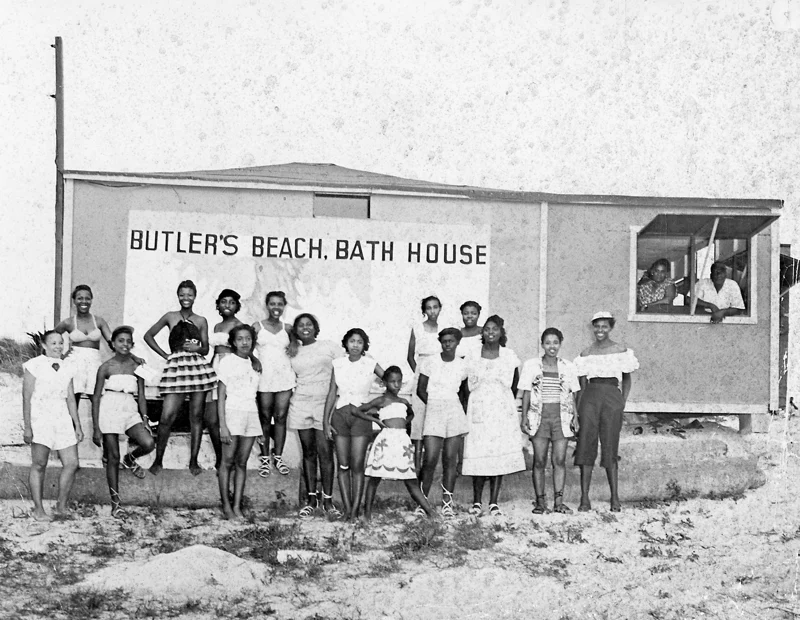
• Butler Beach was opened in 1927 as Butler's Beach, the only resort between Daytona and Jacksonville that allowed Black visitors.
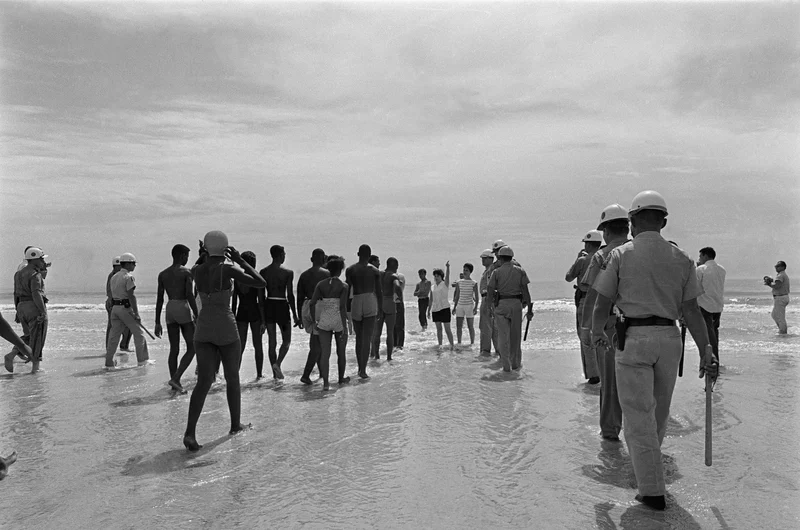
• And the Waves of Change exhibit on St. Augustine Beach features interpretative panels explaining the "wade-ins" held here in 1964 by demonstrators aiming to desegregate beaches.
There's new signage at several of the places on the trail to provide context.
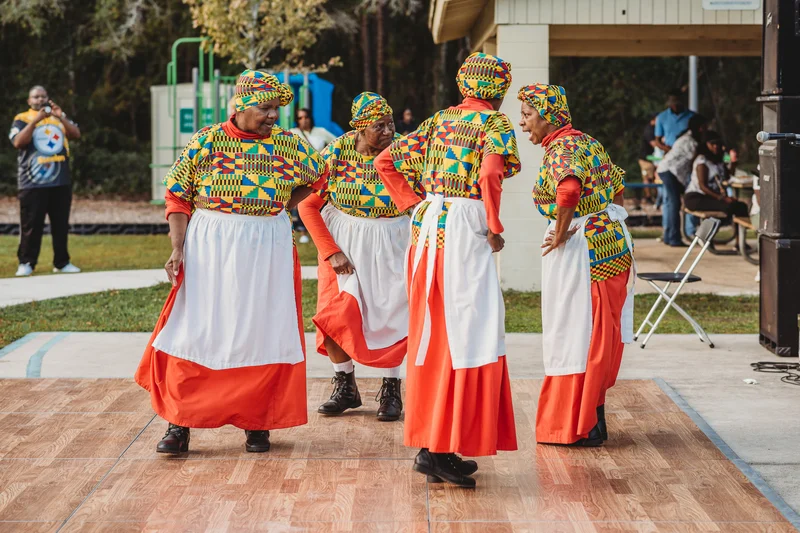
For further help in planning, the downloadable booklet contains a directory of tours and annual events celebrating Black heritage, such as the Gullah Geechee Heritage Festival held each December in Elkton.
For more information, go to StJohnsCulture.com/BH.

Frommer's Best of Florida
Frommer’s books aren’t written by committee, by AI, or by travel writers who simply pop in briefly to a destination and then consider the job done. We employ the best local experts to author our guides, in this case, Tampa-based journalist Beth Luberecki, Miami-based newspaper reporter Leslie Abrava...
Get the bookFrommer's Best of Florida
Frommer’s books aren’t written by committee, by AI, or by travel writers who simply pop in briefly to a destination and then consider the job done. We employ the best local experts to author our guides, in this case, Tampa-based journalist Beth Luberecki, Miami-based newspaper reporter Leslie Abrava...