

As the United States prepares to celebrate its 250th birthday, many of the country's consequential historic sites are at risk of being lost, argues the nonprofit National Trust for Historic Preservation.
And some of the most imperiled places, the group warns, are those with a direct connection to the "founding-era principle that all people are created equal."
Consequently, each of the landmarks on the 2026 edition of the organization's annual list of "America's 11 Most Endangered Places" has a link to struggles for equality faced by Black Americans, immigrants, women, Indigenous communities, LGBTQ+ folks, and others.
Important sites relating to those groups "are at risk, some through intentional erasure, others from short-sighted development plans, and still others from deterioration or neglect,” said Carol Quillen, the National Trust's president and CEO, in a statement announcing the list. "This year, we honor our Declaration of Independence and the living power of its aspirations by highlighting at-risk sites where the fight for equality happened and by recognizing the heroes whose commitment, resilience, and moral courage can inspire us today to continue to build a more perfect union."
The Trump administration is not mentioned in the statement, but several places on the list have come under scrutiny in recent months by federal officials carrying out the president's orders, including one to restore "truth and sanity to American history" by removing any suggestion on U.S. property that anything in the past might have been unpleasant for any person at any time.
Among the most prominent sites highlighted by the National Trust this year: New York City's Stonewall National Monument, the first and only U.S. national monument dedicated to LGBTQ+ history.
Designated to commemorate the seminal Stonewall Uprising of 1969, the monument is "threatened by federal actions aimed at erasing and rewriting the LGBTQ+ presence in American history," according to the National Trust.
That appears to refer to efforts by the Trump administration to remove the monument's Pride flag (since returned) and to scrub mentions of trans people from the monument's website and other materials.
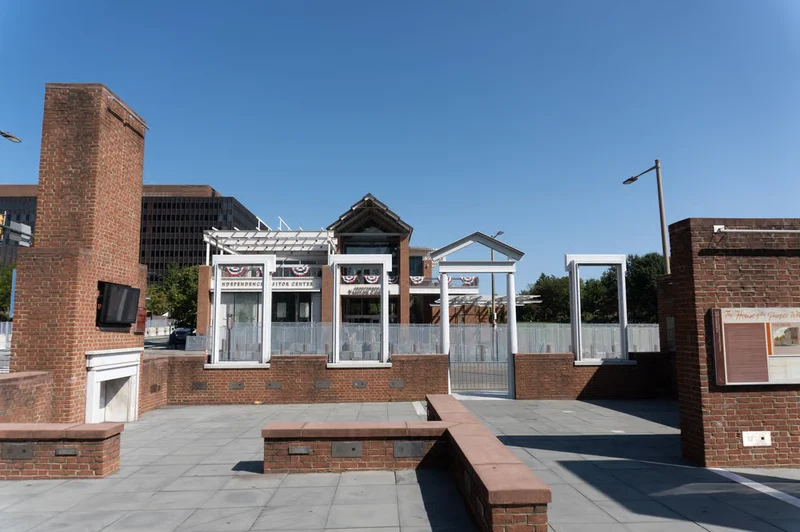
Similarly, the National Park Service removed panels explaining the history of slavery at the President's House Site in Philadelphia, where the country's presidential executive mansion stood from 1790 to 1800.
Most of the panels were put back after the city filed a lawsuit, but the National Trust contends that "reinstallation and restoration of all the interpretive materials is essential to defend the historical truth of the site and ensure that the stories of the nine people enslaved there are never erased from our nation’s history."
Other at-risk historical places are threatened by development projects, per the National Trust.
Significant portions of the Greater Chaco Cultural Landscape, an ancestral homeland for Pueblo and Hopi people in the Southwest, could be opened up to oil and gas developers.
And in Ruidosa, Texas, proposed construction on the U.S. border wall could encroach on a historic church where Mexican and Mexican American farmers from both sides of the Rio Grande met beginning in 1915.
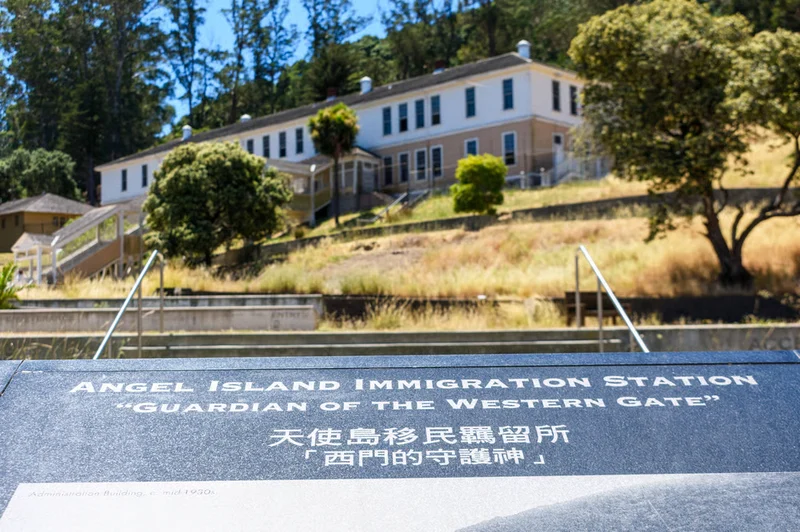
Additionally, the National Trust's list raises the alarm about badly needed repairs at a former hotel for Black guests in Jim Crow Alabama, San Francisco Bay's Angel Island Immigration Station, Women's Rights National Historical Park in Seneca Falls, New York, and other deteriorating landmarks.
Each of the 11 places on the list receives a $25,000 grant from the National Trust to use toward maintenance, creating new interpretative materials, organizing community events, and so on.
Inclusion on the list also helps raise national awareness and galvanize support to rescue these important sites. The nonprofit has been naming endangered places annually since 1988.
America’s 11 Most Endangered Historic Places in 2026
Here is the full list of 2026's most at-risk sites, according to the National Trust for Historic Preservation. Places are listed alphabetically by state.
- Ben Moore Hotel in Montgomery, Alabama
- Tule Lake Segregation Center in Modoc County, California
- Angel Island Immigration Station in Tiburon, California
- Swansea Friends Meeting House in Somerset, Massachusetts
- Detroit Association of Women’s Clubs in Detroit
- Greater Chaco Cultural Landscape in New Mexico, Colorado, Arizona, and Utah
- Women’s Rights National Historical Park in Seneca Falls, New York
- Stonewall National Monument in New York City
- The President’s House Site in Philadelphia
- Hanging Rock Revolutionary War Battlefield in Heath Springs, South Carolina
- El Corazón Sagrado de la Iglesia de Jesús in Ruidosa, Texas
To learn more about each place and discover ways to help preserve them, go to SavingPlaces.org.