

Millions of travelers visit the beaches of Cancún, Tulum, and Playa del Carmen on Mexico’s Yucatán Peninsula every year. Abounding with resorts, restaurants, and trendy nightclubs, these cities have become Mexico’s go-to beach destinations in the minds of many tourists.
But for travelers looking to experience some of the region’s culture and unique natural wonders beyond the busy resort areas, the lesser-known beaches of the Yucatán state offer an inviting combo of history, wildlife, culinary excellence, and relaxation.
If you’re ready to go beyond Cancún and company, fly into Mérida instead and drive to any of these five quiet beach towns for a taste of the laid-back Yucatán lifestyle.
Getting here and getting around
Before you get confused, note that Cancún, Tulum, Playa del Carmen, and other famous nearby beach destinations are in the state of Quintana Roo, which is also part of the Yucatán Peninsula. The places that follow, though, are all in the neighboring state of Yucatán, where beach towns maintain their native charm.
The easiest way to reach any of them from the state’s capital city of Mérida is by renting a car. Public transit in the area is scarce. Using Mérida as a jumping-off point, the closest beach is Progreso (merely a 30-minute drive), while the farthest is Río Lagartos, situated 215 kilometers (133 miles) northeast of the city.
While most of these locations are usually visited on day trips, small hotels are available in Celestún, Progreso, and Río Lagartos, and there are rustic cabins in Sisal and San Crisanto.
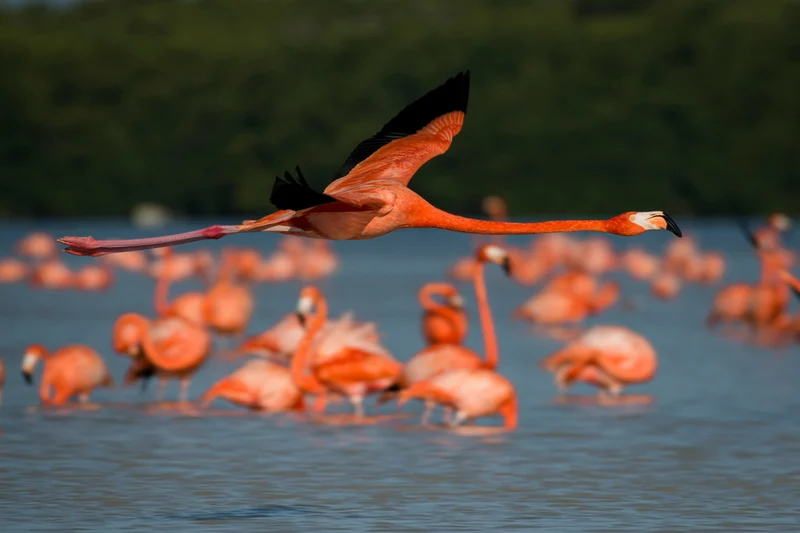
Celestún: Teeming with flamingos
The westernmost coastal spot on the peninsula, Celestún is home to a large population of Caribbean flamingos residing in the town’s estuary. To see the birds, you can sign up for boat trips at the Parador Turístico (tourist center), located just across the bridge when driving into town from Mérida (about 90 minutes to the east).
Local guides lead the trips aboard motorboats, navigating the waterway for up-close views of the flamingo colony as well as an intricate mangrove tunnel system. Most tours include a stop for swimming at one of three freshwater springs. No advance reservations are required.
After a tour, head into town for fresh seafood. Local favorite Los Pámpanos allows customers to dig their toes in the sand while snacking on exquisite fish or shrimp al mojo de ajo (in garlic sauce).
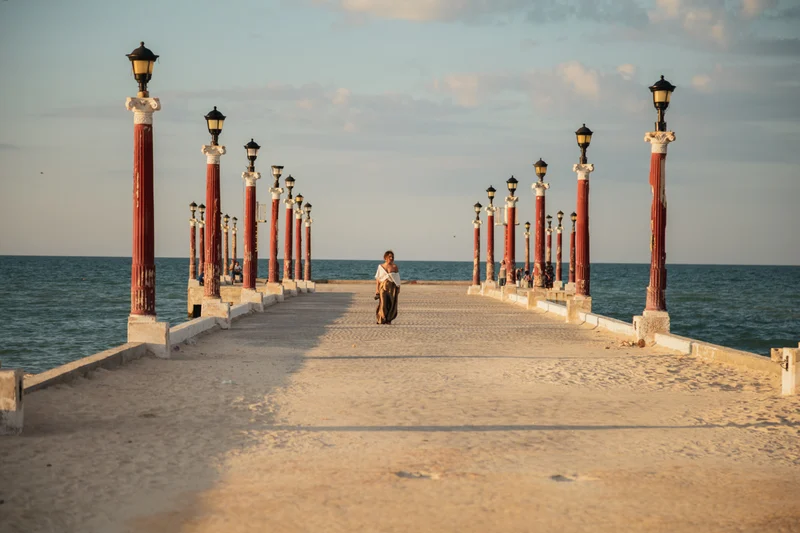
Sisal: Yucatán's oldest port
Less than 90 kilometers (55 miles) east of Celestún, Sisal served as the main port for international commerce in the area from the 16th to the 20th century, when the town was a leading exporter of its namesake sisal, a sturdy plant used for making rope and twine.
These days, visitors can gaze at the historic lighthouse, walk along the reconstructed pier, explore the Santiago Fort, or book a kayak tour of the quiet swamp.
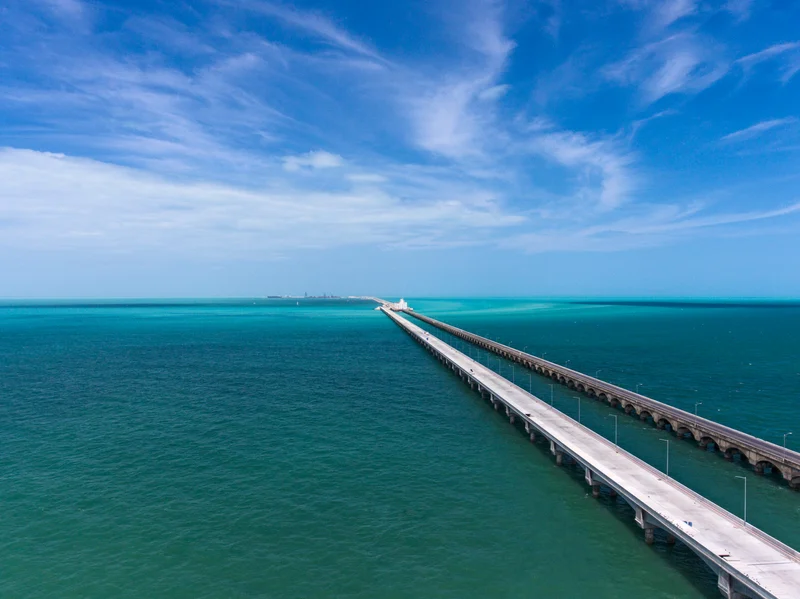
Progreso: Endless seafood options and the world's longest pier
Hundreds of international tourists arrive weekly aboard cruise ships at the state’s busiest port, which is conveniently the closest to Mérida. Restaurants along the bustling beachfront boulevard known as the Malecón serve up sophisticated seafood dishes and refreshing cocktails. Some of the latest additions to the lineup: the upscale Bacalauh—known for its coconut shrimp and mezcal paloma—and the serene Zal Marina, which specializes in fresh octopus.
Stretching 8 kilometers (about 5 miles) into the ocean, the longest pier in the world can be seen up close from Progreso’s famous boardwalk. Top-of-the-line motorboats and yachts are available to rent for the day from operators such as Boat2Go.
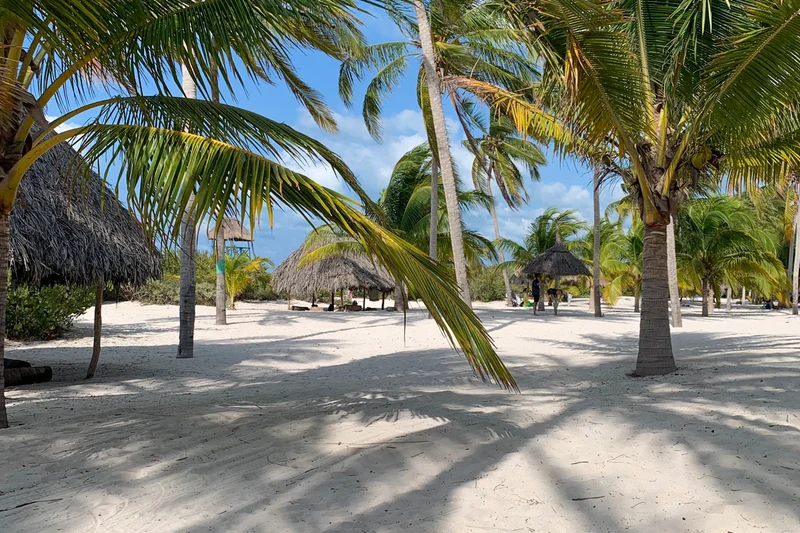
San Crisanto: Camping among the palm trees
Locals frequent this pristine beach spot on Yucatán’s eastern shoreline when looking for a quiet getaway in nature. The tiny town, located along the Progreso-Telchac coastal road, truly stands out due to its community-based tourism opportunities.
The Co’ox Mayab organization leads educational boat trips through the marine ecosystem and guided tours of salt pans and a coconut plantation. Beachgoers can either spend the night in rustic cabins at Kanab Nah or set up camp right by the water at Balneario Sac-Ha', an unspoiled beach site with towering palm trees that's run by a local co-op. Both sites are marked with large signs and situated along the oceanside road, just 3 kilometers (1.8 miles) west of San Crisanto town.
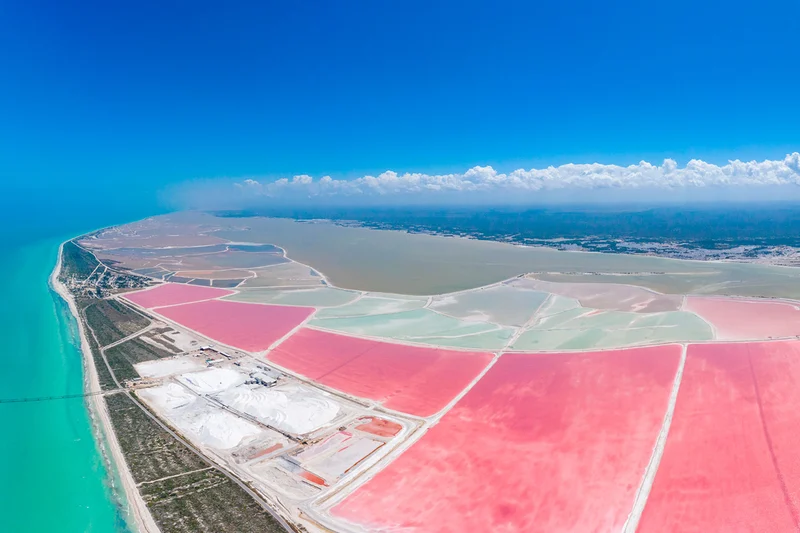
Río Lagartos: Home of the pink lagoon
Close to Yucatán’s eastern border with Quintana Roo, Río Lagartos harbors a renowned biosphere reserve made up of mangroves, swamps, and estuaries. This major nesting site for endangered species can be explored on boat trips.
To avoid becoming overwhelmed upon arrival by the multitude of tour providers, make online reservations in advance for excursions. Xplore hosts comprehensive adventures led by native experts.
Among the options: spotting crocodiles and flamingos, taking an ancestral Mayan mud bath at the beach, and, most important, visiting the world-famous Las Coloradas pink lagoon. It gets its unusual bright color from its high salinity and the presence of microorganisms that thrive in such conditions.