

The following conversation with Frommer's New Zealand authors Naomi Arnold and Kate Evans was taken from the Frommer's Travel Show podcast. The interview has been edited for length and clarity.
Click here to listen to the entire episode. Or, if you'd prefer to watch the interview, click here.
Pauline Frommer: One of the most common questions I get when I do speeches around the U.S. is: I want to go to Australia, but I'm thinking maybe I'll tag on New Zealand. Is that a good idea? And I always say, Oh, don't do that! You really should give the entire trip to New Zealand OR Australia, since both have so many things to see. And I try to describe what I think is the difference between visiting Australia and New Zealand.
Naomi, what would you say is the big difference between Australia and New Zealand?
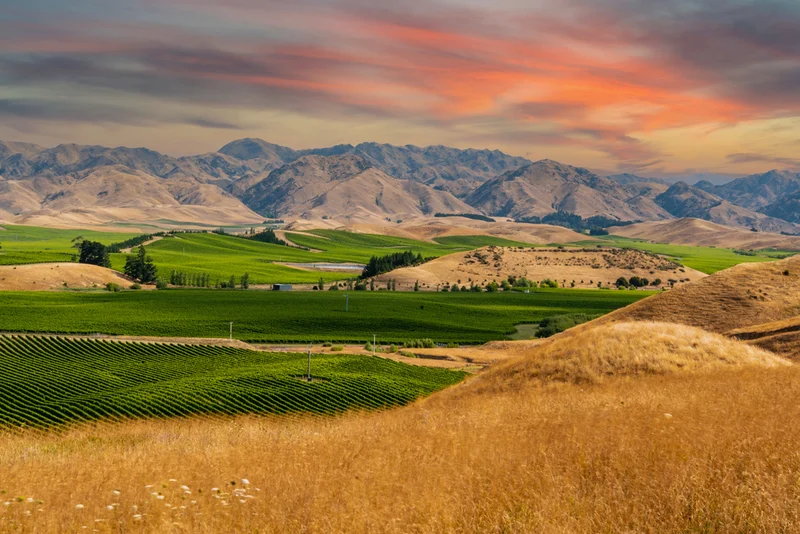
Naomi Arnold: I think the diversity of landscapes in New Zealand. You can go from beaches to mountains in maybe 90 minutes in a lot of places in the South Island. And you travel through wineries and then cities and [then] farmland. There's always some new view out of the window when you're traveling. And when you get there, it's something entirely different from where you left that morning.
Kate Evans: Yes, in Australia you are going to be driving for 5 or 6 or 7 hours before the landscape changes. In New Zealand, it’ll be less than an hour.
Frommer: I've always found New Zealanders to be friendlier than Australians. I enjoyed the people there more, quite honestly. Is that just what I experienced?
Evans: We think Australians are a little bit more like Americans, to be honest. We see Australians as a bit more confident and louder. And in some ways that's fun. But New Zealanders, we're a bit quieter, a bit more reserved. But we're very down-to-earth and welcoming, I would say. And you will have authentic interactions with people as you travel around.
Māori culture in New Zealand
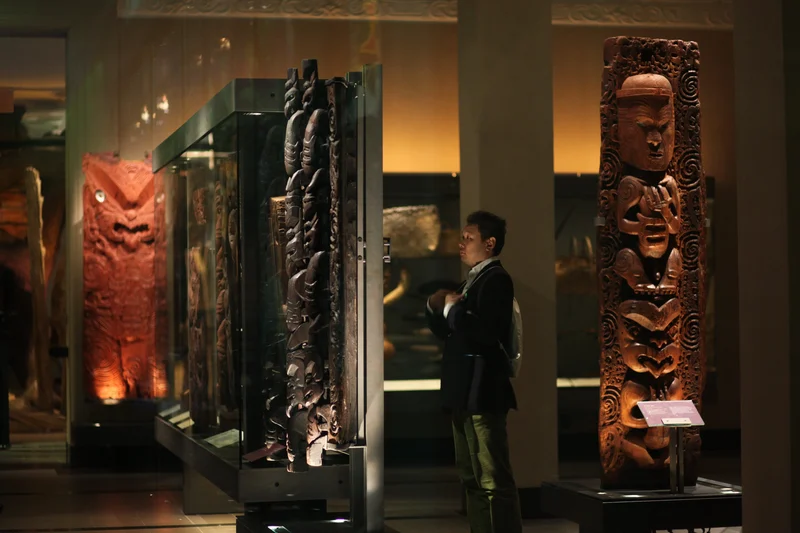
Frommer: Another thing I found very different between Australia and New Zealand, because of your very different histories, is how you experience the Indigenous culture in New Zealand.
Evans: Yeah, when I moved to Australia in my 20s, I was quite shocked by attitudes towards Indigenous people and the lack of visibility of Indigenous Australia.
Even 20 years ago in New Zealand, Māori culture was very visible and it's become a lot more so, particularly in the tourism realm. A lot of Māori tribes are running their own tourism operations. They're amazing at it and it's fascinating stuff.
So yeah, [Indigenous culture is] more visibly present and integrated in New Zealand than in Australia at the moment. Although that is starting to change in Australia.
[That may be due to the] historical differences [between New Zealand and Australia]. I think there are 200 different Aboriginal languages in Australia. They were different nations, and they didn’t speak the same languages.
In New Zealand, there's really one, though there's different dialects. It's much more one people, which is easier for political organization. And the [Māori people] had fully settled the whole of New Zealand, whereas Australia is an enormous landmass and Aboriginal people were more separated. It’s a complex history of war and conflict.
Frommer: Kate, I know you live on the North Island.
Evans: Yeah, I live in a town called Raglan on the North Island, on the West Coast.
Frommer: What are the best spots on the North Island to experience Māori culture?
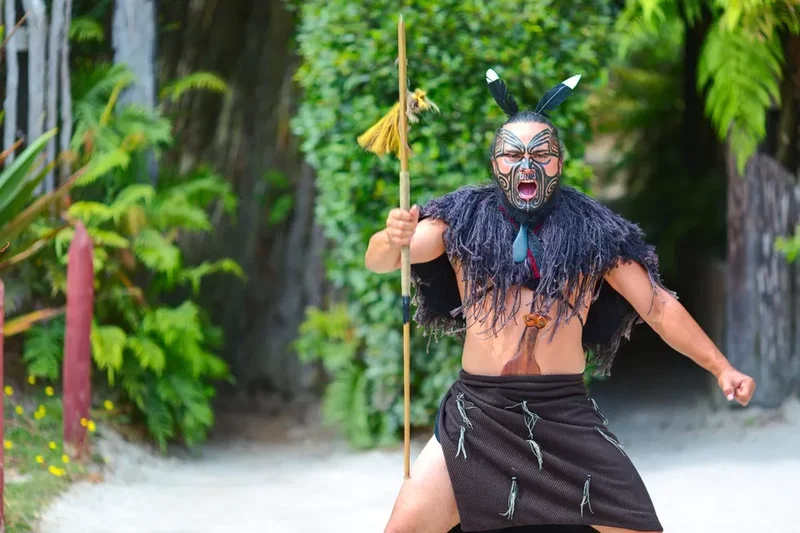
Evans: There’s a few places in the North Island where you would go. Rotorua is an important one, and Northland as well.
Frommer: When I was in New Zealand, I did a Māori experience with my younger daughter in Rotorua, which was fascinating. We went to a recreated village where we saw dancing and ate a hāngī, a Māori feast.
Is that the standard type of experience that visitors have or is there more variety than that?
Evans: I think it's changed a lot in recent years. The things that you can do now are really creative and cool.
[While researching this book] I went to an incredible day spa in Rotorua. As you’re going through the spa—the sauna, different pools using geothermal mud—they tell you the story of the ancestor’s arrival in New Zealand and how he went up Mount Ruapehu. So they're connecting their history and their stories through this geothermal spa experience.
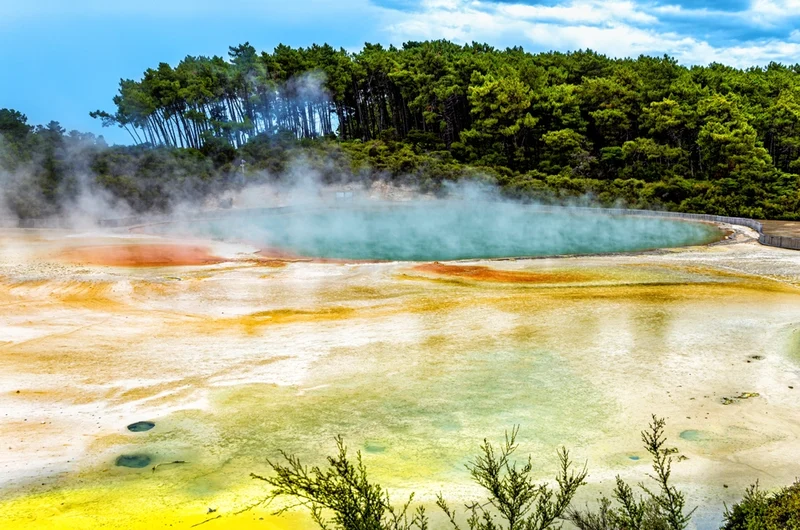
There's also some [Indigenous experiences connected] to the geothermal areas of Rotorua, [where] there's steam coming out of the ground everywhere and boiling mud in the park. You can take a tour at nighttime with the iwi. There's this beautiful Māori singer called Maisey Rika and they play her songs [during] laser shows through the steam. It's very modern and it's very innovative—21st-century Māori culture, not an artifact of the past.

Frommer's New Zealand
Frommer’s books aren’t written by A.I. like so many of the no-name brands you’ll see in online bookstores. Nor are they penned by travel writers who simply pop in briefly to a destination and then consider the job done. We use seasoned, locally-based journalists like Naomi Arnold and Kate Evans, bot...
Get the bookFrommer's New Zealand
Frommer’s books aren’t written by A.I. like so many of the no-name brands you’ll see in online bookstores. Nor are they penned by travel writers who simply pop in briefly to a destination and then consider the job done. We use seasoned, locally-based journalists like Naomi Arnold and Kate Evans, bot...
Frommer: Naomi, on the South Island what do you see in terms of Māori culture?
Arnold: I was just thinking of Greymouth, which is on the west coast of the South Island. Māwhera Pā is there. Pā is a fortified village site. They created this beautiful museum—a multimedia extravaganza telling the stories of what happened on that land. I remember lying on a bench just listening to the kōrero, the story telling of what happened during a particular battle. It's really nicely done, and brand-new last year.
Then further down south in Takapō, there's a gorgeous dark sky experience. Takapō is a dark sky park—one of the more famous ones in the world for the beautiful clarity of its night sky. You can take a tour of Māori astronomy, [hearing] the Māori stories of the night sky, which are completely different, obviously, from the more scientific or Western astronomical experience that you can get at Mount John, which is a large observatory nearby.
Evans: Before we leave this topic, I did want to flag an amazing way to see present-day Māori cultural achievement. You’ve probably heard [about] Māori kapa haka, [which is] incredibly powerful and moving and vibrant. Every 2 years, there's a national competition for the best kapa haka performance in the country. It's called Te Matatini. And in February 2027 it's in my region in the Waikato near Ngāruawāhia for a week.
North Island vs. South Island—and how to get around
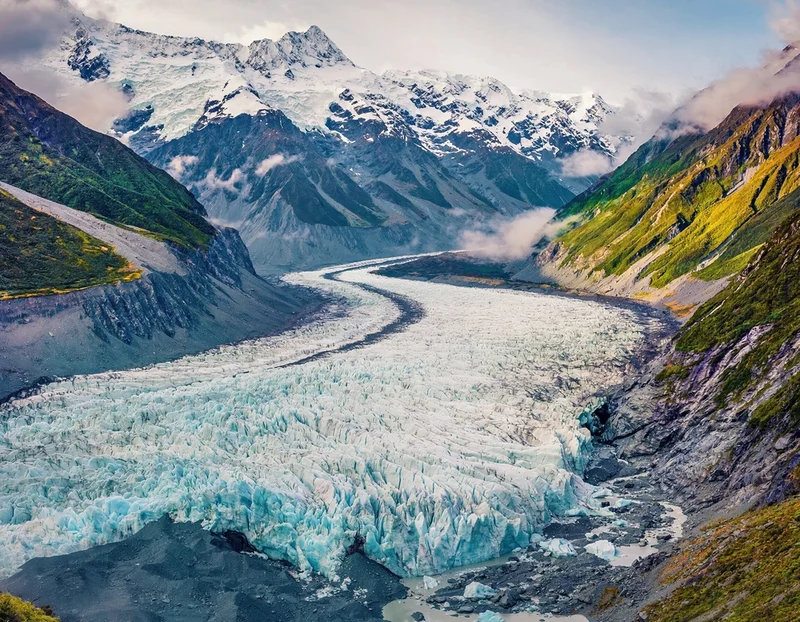
Frommer: On the South Island you see extraordinary fjords and glaciers and natural sites, the sites that many visitors associate with New Zealand and why they want to come here in the first place.
How do you best create an itinerary if you want to see all of these natural highlights easily?
Arnold: I think the biggest mistake is thinking you can get around places quickly. It’s just not possible to drive the way you might do in the United States or other countries. Our roads are narrow. They're two-lane mostly and very windy, especially in the mountainous country of the South Island.
A lot of volcanic uplift created [our mountains] and these tiny mountain roads are often having slips, and so may be closed for roadwork. You could also get [stuck behind a] big camper van on the road and that can be very slow.
So the driving can be quite frustrating for people who are not used to it. You should almost double the time [you think it will take]. Especially because you’ll want to stop and take photos.
I think visitors [to the South Island often] concentrate quite a lot on Queenstown, and the more well-known areas of glaciers and mountains. But there are so many wonderful parts of the country that are just slightly more hidden away, like where I am, at the top of the South Island. Nelson, Marlborough, the West Coast, Tasman. It's a gentler landscape but no less rewarding.
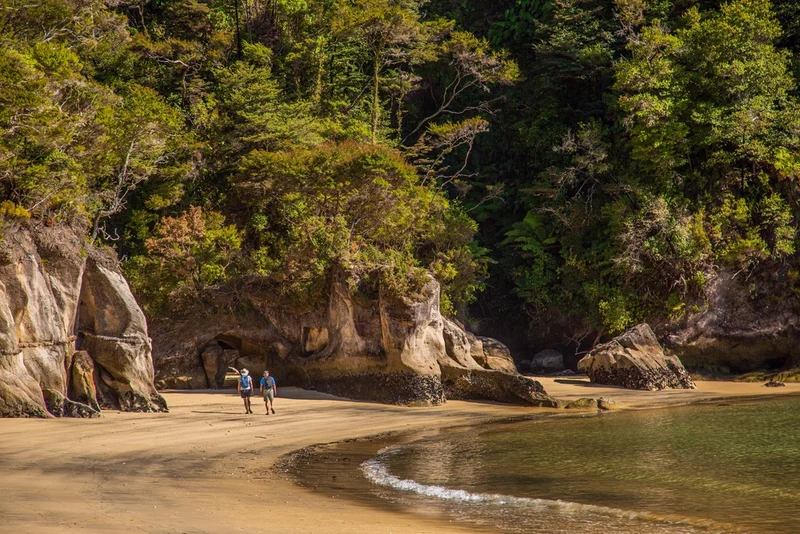
This time of year there's not really anyone around, so it's quite quiet. Go and walk the Abel Tasman National Park, which is a really famous hiking area. Visit in the shoulder season and you'll have a bit more of a bespoke experience.
Frommer: It's fall here in the U.S., which means it's spring in New Zealand. Is that the best time of year to visit the North Island?
Evans: I think the fall is the best time. Up here, our springs are pretty windy and wild. The weather's not that amazing, but autumn—February, March, April, even into May—can be beautiful weather.
And let me also defend the North Island. A Swiss friend's visited and they spent a little bit of time in the South Island and [then] they came to the North Island. And I always remember that he said to me, For Swiss people, the South Island isn't exotic. It's more mountains and glaciers.
So maybe if you're from the Rocky Mountains, it won't be so exotic for you. But for Australians and for my Swiss friend, the volcanoes of the central plateau were incredibly exotic.
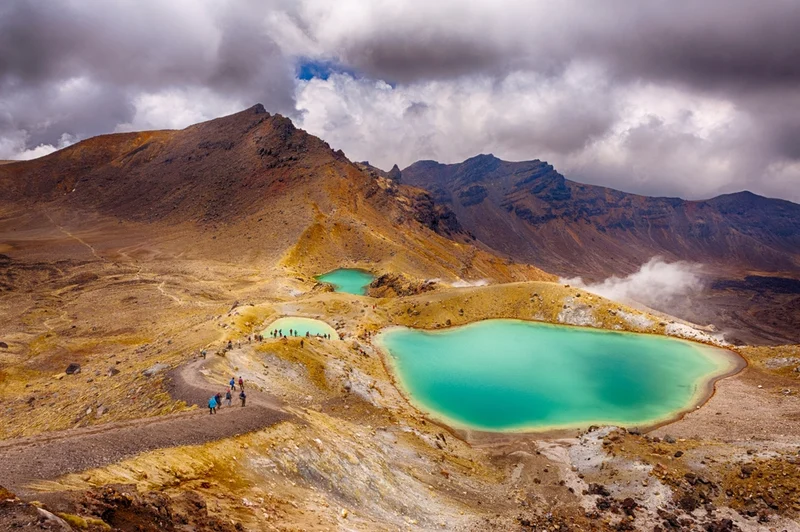
If you come from a place that doesn't have any volcanoes, the North Island is the place to go. Tongariro National Park, which is right in the center of the North Island, has this row of three beautiful snow-capped volcanoes. The hiking is amazing. One of the volcanoes stood in for Mount Doom in The Lord of the Rings. It's a sort of perfect cone. There's really interesting Māori history and Māori stories about it. And the landscape is almost otherworldly.
Frommer: And on the North Island, you also have the Glowworm Caves, right? Those are otherworldly.
Evans: Glowworms are native only to New Zealand and Australia. And they're not like a firefly; they don't blink on and off. They emit a steady blue-green light, and they festoon the limestone caves that we have here, and also some riverbanks. In various places you can take nighttime kayaking trips to see them, or you can take organized tours into the caves.
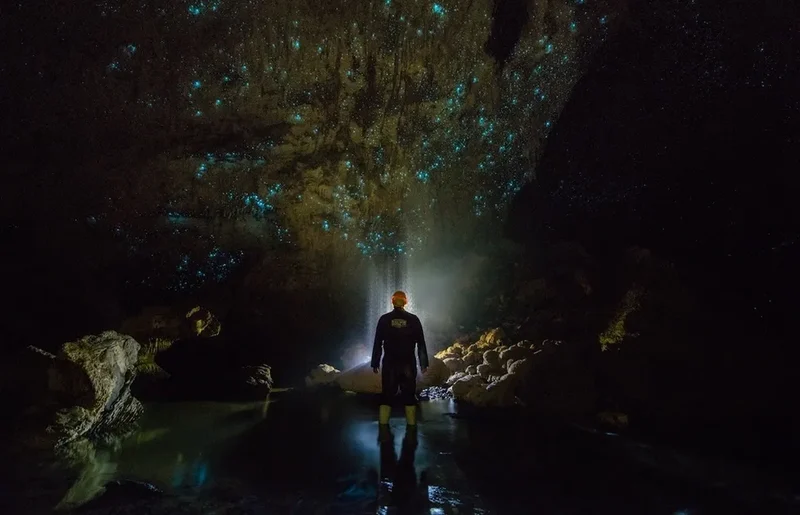
Often on cave tours you're floating through and you look up, and it looks like the night sky. You feel like the glowworms are the stars. It really is incredibly magical. You can also do very adventurous blackwater rafting adventures where you're in a wet suit and you jump into a rubber tire and you climb up waterfalls and float through the caves. That's fun if you're into that kind of thing.
Adventure travel in New Zealand
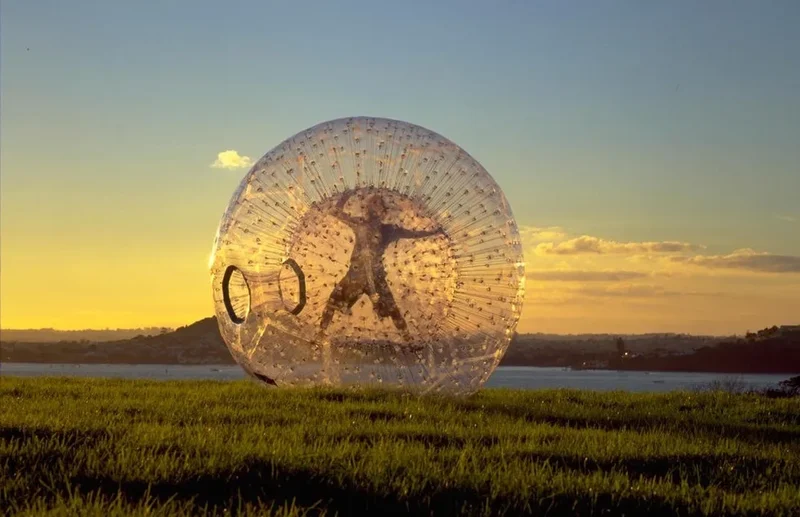
Frommer: When I went to New Zealand, I was in the company of a 12-year-old and a 16-year-old. And so they jumped off everything and we did bikes on rails and we rolled down a mountain inside of giant [see-through plastic] balls called Zorbs.
It feels like the Kiwis create all of these wacky adventures.
Arnold: That is very true. We have come up with a lot of ways to throw ourselves around in air and water safely. A nation of thrill-seekers!
There's always something new. There's tandem swings. There's the face-first Superman [zip line]. Canyoning is great where you're rappelling and climbing down a river. There are various dives, bungee jumping dives. Jet boating is fantastic.
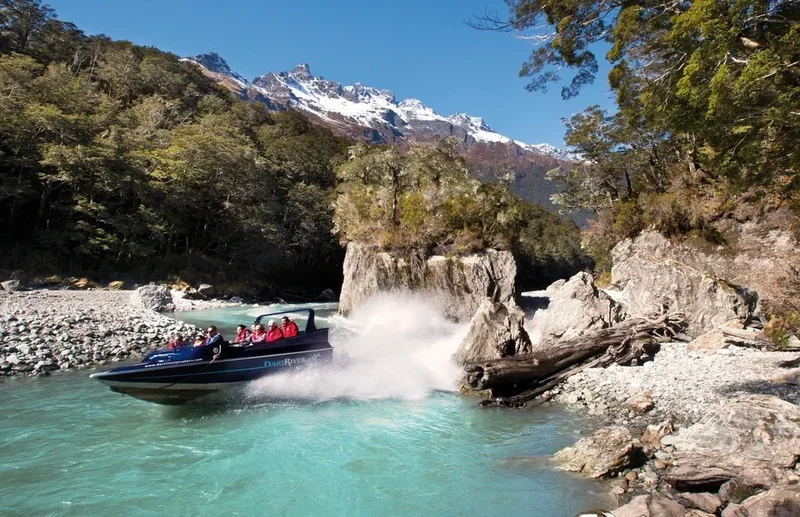
You could really just spend all day throwing yourself out of and through various things.
Evans: With a fairly high budget that's not cheap.
Arnold: Yeah, it is expensive. But you'd hope it would be for the safety gear and the training.
Evans: I took my 8- and 10-year-olds zip-lining. There's a lot of zip lines now in the North Island. There's several near Rotorua, but the one that we did is beautiful because it's in this very rare fragment of virgin forest. The trees are incredible and the bird life is amazing.
They've done so much conservation work, like trapping all of the rats and the possums, and they're taking great care of this little patch of bush. And then you fly through it at high speeds, very high off the ground, and my kids absolutely loved it.
The urban and natural pleasures of Auckland
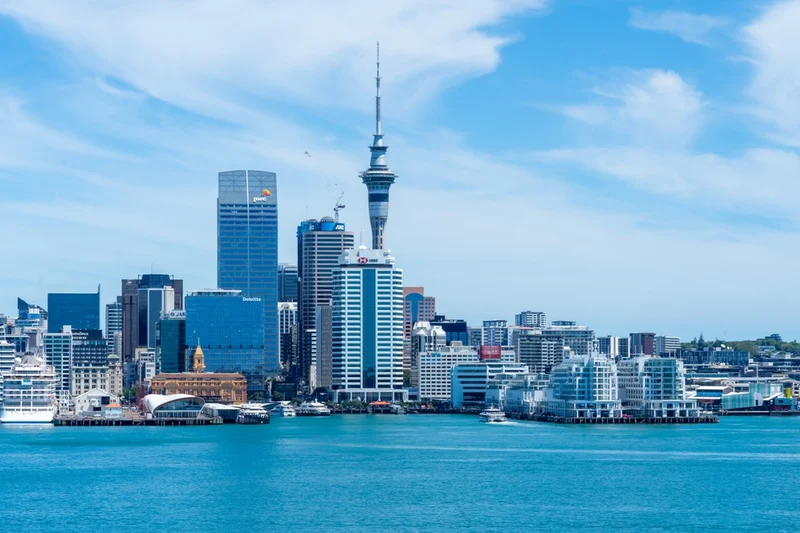
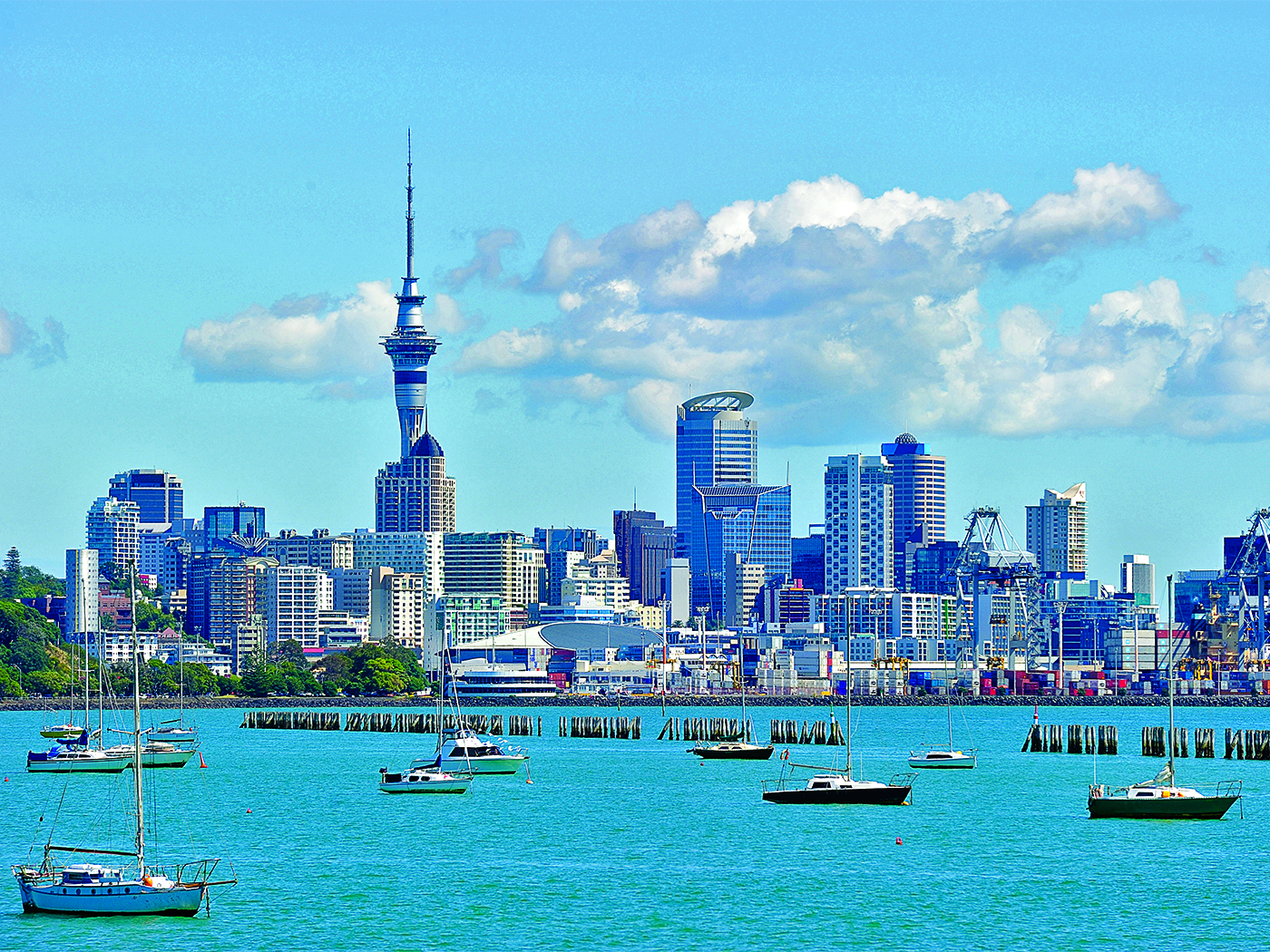
Frommer: Also on the North Island you have the big city, Auckland. Can you give a little bit of a description of Auckland and why somebody would want to visit it?
Evans: It's our biggest and most multicultural city. I think something like a fifth of New Zealanders live in Auckland. It's the closest we get to cosmopolitan.
[It has] a really amazing food scene but what I love about Auckland is actually the nature.
For a big city, it's incredibly beautiful, and there are so many areas where the urban meets New Zealand nature because it's a city built on 40 small volcanoes. So every suburb has its own little volcano. They used to be Māori fortified villages, and you can still see the terraces in the side of the volcanos.
[The volcanoes are] great to walk up—a short walk, but once you get to the top, you have an incredible view over the city.
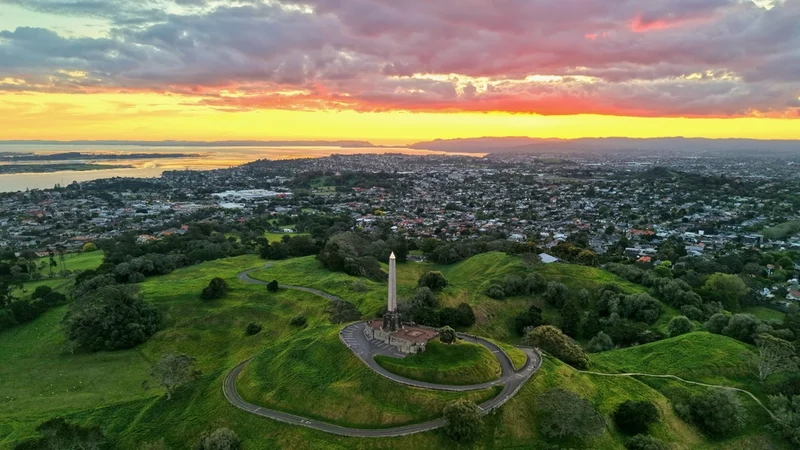
Auckland's on an isthmus on two harbors. I think it's only a kilometer at its narrowest point, so there's water everywhere.
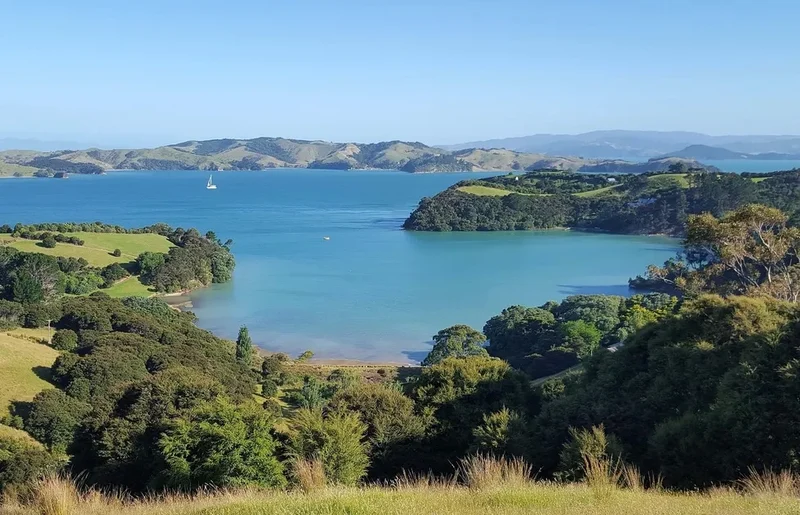
Then in the Hauraki Gulf, there's an array of beautiful islands with white sand beaches and forest. Many of these islands you can take ferries to [from Auckland] and visit.
Waiheke Island is probably the most famous. [It has] loads of wineries and there's also a zip line. You can go there and sit up on the hill, drinking wine, looking out over the sparkling waters of the Hauraki Gulf.
Then to the west of the city there's the Waitākere Ranges, which is a kauri forest of beautiful big trees, although some of them are sick at the moment. Some of the tracks are closed, but there's bush walks.
Then on the far side are the wild West Coast beaches, which are black sand, massive cliffs, wild water. You feel like you're in remote New Zealand, but it's an hour from the city. And it's an amazing drive to get there.
You can come back [to Auckland] in the evening and eat at a really nice restaurant, but in the day you can kind of explore these amazing places.
Frommer: Why are the trees sick? Is it climate change or is there some kind of tree disease?
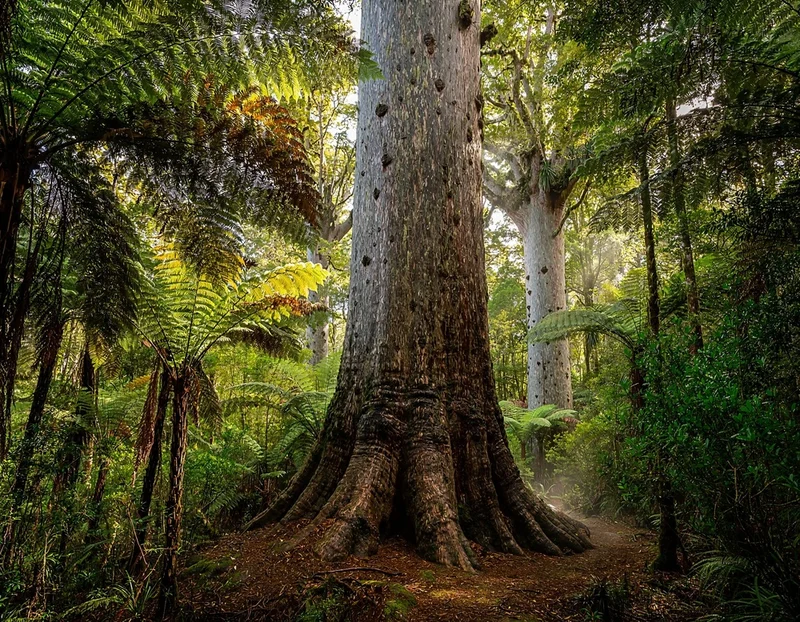
Evans: The sickness is caused by phytophthora, which is a soil-borne pathogen that eats away at the trees' roots. It was only discovered about 15 years ago.
And these trees can live for 2,000 years. They're one of the biggest and longest-lived trees in the world. [The disease is] spread through soil movement, so you'll see boot-cleaning stations when you go hiking in New Zealand. It's really important to clean the bottom of your shoes before you go from one place to another because you can take the disease around with you. We're all trying to protect our trees.
Frommer: Tell us about the urban pleasures of Auckland.
Evans: There are lots of cool bars, and you can go up to the Sky Tower, the tallest building in the country. You can go up and jump off that, of course, if you want to go headfirst.
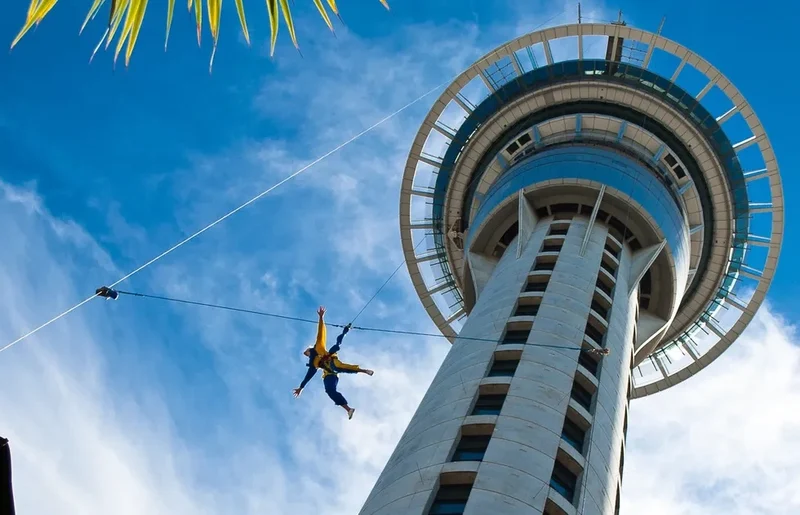
There's a big All Blacks Experience at the foot of it.
Frommer: All Blacks is your rugby team, right?
Evans: Yes, our famous rugby team. You can go and learn all about that, which is a strong part of identity for many New Zealanders.
There's a lot of theaters and music and that kind of thing. It's a delightful town.
Steampunk and penguins in the town of Oamaru
Frommer: Naomi, one of the biggest surprises for me on the South Island was visiting Oamaru and the Steampunk museum. Very briefly, steampunk [imagines] what the future would be like as seen from the Victorian era. So [in the museum] there are all of these crazy, silly inventions. It's just so damn fun.
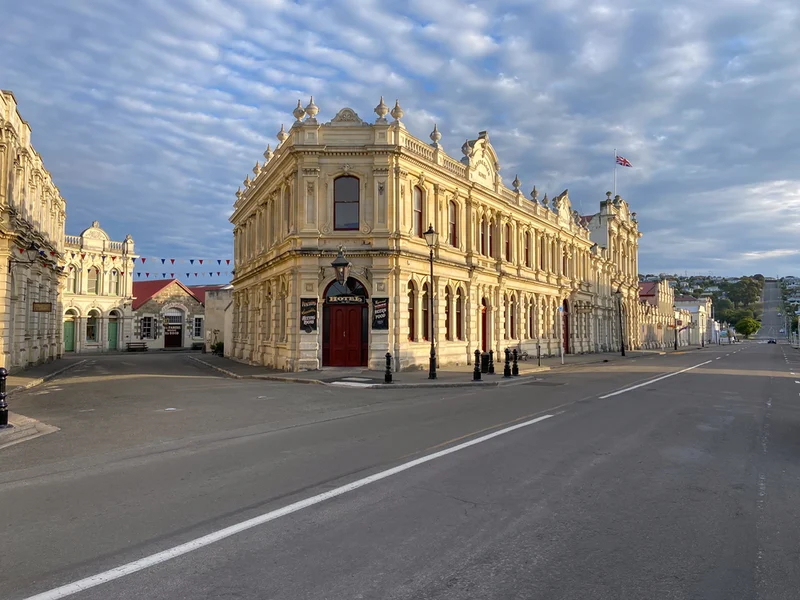
Arnold: Oamaru is a small provincial town, but it's retained this gorgeous collection of limestone buildings from the Victorian era. They’re this creamy white stone. And somehow Oamaru developed a steampunk aesthetic. It's a farming service town [but has] various Steampunk and Victorian festivals.
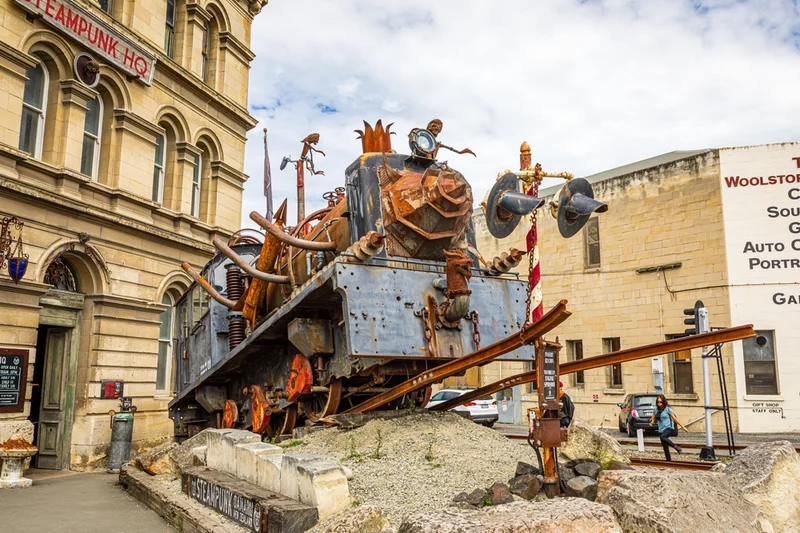
[The Victorian core] has become a little boutique area full of gorgeous bakeries and pubs and bars and bookshops and local craft sellers. And this steampunk aesthetic is actually quite a New Zealand flavor. New Zealand has a can-do attitude where you make do with what you have because we're so isolated.
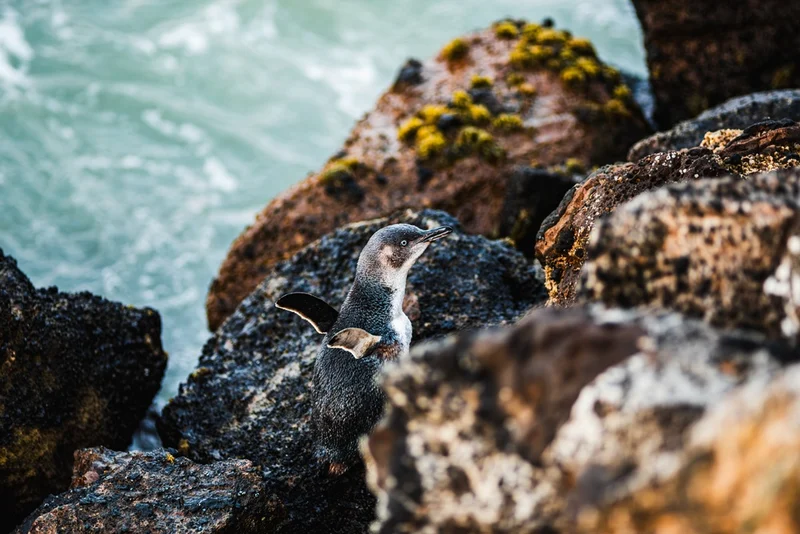
Evans: And also penguins come ashore right next to Oamaru—little blue penguins and yellow-eyed penguins. The wildlife there is also amazing.
Frommer: That's what it's like in so many parts of New Zealand. You have the strong cultural resources and attractions, and then this extraordinary nature, and they're intertwined in a way that is very unique.
Frommer's New Zealand
Frommer’s books aren’t written by A.I. like so many of the no-name brands you’ll see in online bookstores. Nor are they penned by travel writers who simply pop in briefly to a destination and then consider the job done. We use seasoned, locally-based journalists like Naomi Arnold and Kate Evans, bot...
Get the bookFrommer's New Zealand
Frommer’s books aren’t written by A.I. like so many of the no-name brands you’ll see in online bookstores. Nor are they penned by travel writers who simply pop in briefly to a destination and then consider the job done. We use seasoned, locally-based journalists like Naomi Arnold and Kate Evans, bot...