Museo de Cáceres y Aljibe

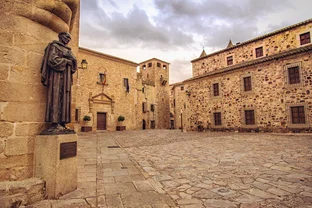
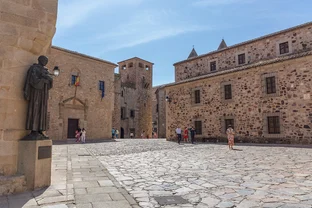
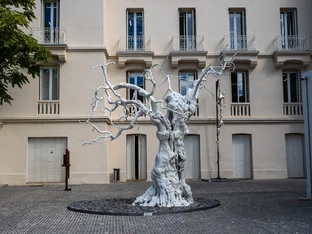
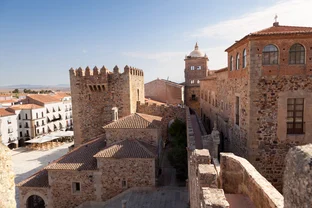
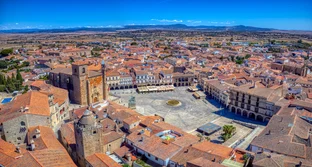
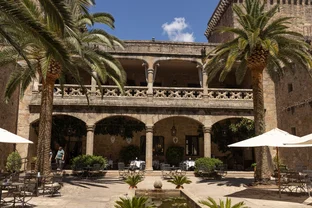
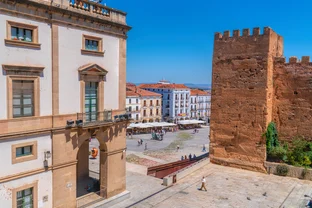
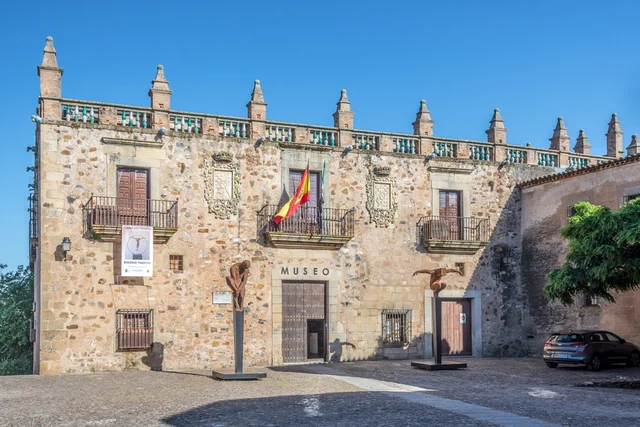
The municipal museum at the top of the old town is a low-key gem. It occupies two historic houses, Palacio de las Veletas and Casa de los Caballos, built on the remains of the Moorish fortress, or alcazaba. The tour begins with archaeological and ethnographic collections illustrating life in Extremadura from the Paleolithic through the Middle Ages. A Bronze Age stone boar, probably intended to protect the herd, shows how the region’s preoccupations have endured. The second building houses a collection of fine art and sculpture including works by Picasso, Miró, and a luminous Jesus Salvador by El Greco. There’s a delightful large canvas from 1914 of women at a village fiesta, with a chicken and a head-carried watermelon, by the Extremaduran painter Eugenio Hermoso. The greatest revelation, however, is the Moorish cistern (aljibe) that lies beneath Palacio de las Veletas. Dating from the 12th century, this lone relic of the original fortress still collects rainwater that falls on the cloister above. The golden reflection of its horseshoe arches in the water is a magical sight.
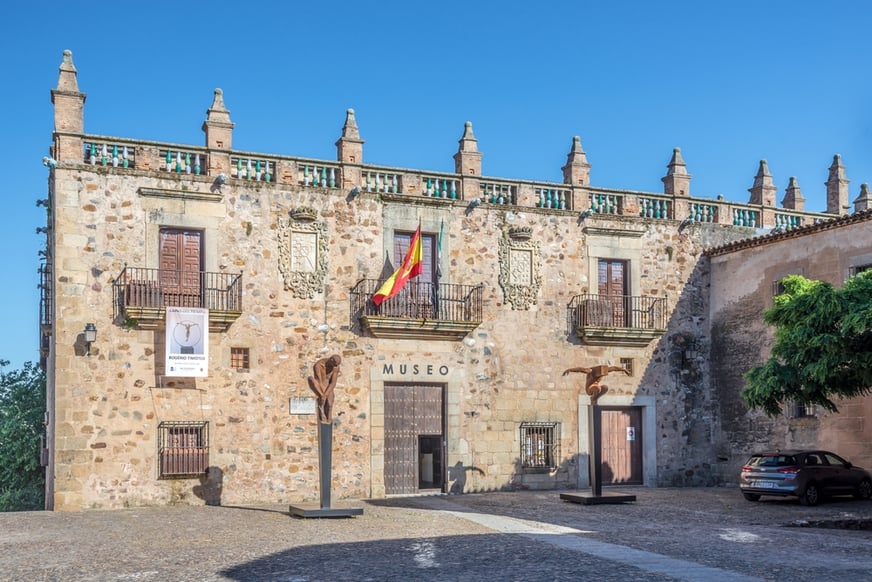
The municipal museum at the top of the old town is a low-key gem. It occupies two historic houses, Palacio de las Veletas and Casa de los Caballos, built on the remains of the Moorish fortress, or alcazaba. The tour begins with archaeological and ethnographic collections illustrating life in Extremadura from the Paleolithic through the Middle Ages. A Bronze Age stone boar, probably intended to protect the herd, shows how the region’s preoccupations have endured. The second building houses a collection of fine art and sculpture including works by Picasso, Miró, and a luminous Jesus Salvador by El Greco. There’s a delightful large canvas from 1914 of women at a village fiesta, with a chicken and a head-carried watermelon, by the Extremaduran painter Eugenio Hermoso. The greatest revelation, however, is the Moorish cistern (aljibe) that lies beneath Palacio de las Veletas. Dating from the 12th century, this lone relic of the original fortress still collects rainwater that falls on the cloister above. The golden reflection of its horseshoe arches in the water is a magical sight.
Details
Bookstore
Available as paperback
and as e-book.