Village des Bories

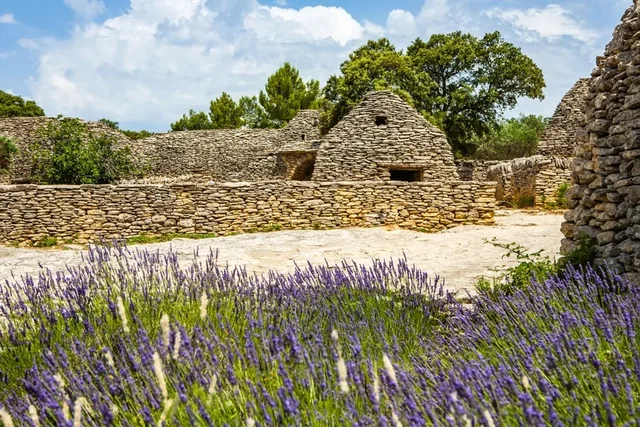
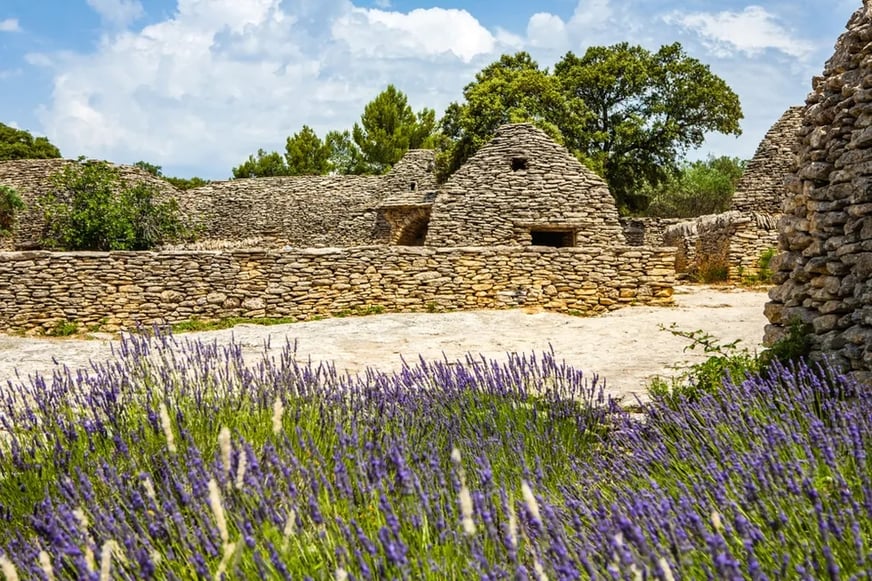
Bories are beehive-shaped dwellings made of intricately stacked stone—and not an ounce of mortar. They date back as far as the Bronze Age and as recently as the 18th century in Provence. An architectural curiosity, their thick walls and cantilevered roofs beg the question: How did they do that? The Village des Bories is the largest group of these structures in the region, comprising 30 huts grouped according to function (houses, stables, bakeries, silkworm farms, and more). Traditional tools are on display, along with an exhibit on the history of dry-stone architecture in France and around the world.
Bories are beehive-shaped dwellings made of intricately stacked stone—and not an ounce of mortar. They date back as far as the Bronze Age and as recently as the 18th century in Provence. An architectural curiosity, their thick walls and cantilevered roofs beg the question: How did they do that? The Village des Bories is the largest group of these structures in the region, comprising 30 huts grouped according to function (houses, stables, bakeries, silkworm farms, and more). Traditional tools are on display, along with an exhibit on the history of dry-stone architecture in France and around the world.
Details
Bookstore
Available as paperback
and as e-book.