Laiotz / Shutterstock
Gernika-Lumo Travel Guide
428km (265 miles) N of Madrid, 84km (52 miles) W of San Sebastián
The subject of Picasso’s most famous painting (the original is now displayed at the Reina Sofía Museum in Madrid), Gernika-Lumo was the spiritual home of the Basques and a seat of Basque nationalist sentiment. Destroyed by a Nazi air raid on April 26, 1937, during the Spanish Civil War, the town was targeted on its market day, ensuring maximum carnage. Estimates of casualties range from 200 to 2,000. The bombers reduced the town to rubble—and a powerful symbol of independence was born. Activists around the world attempted to rally support for the embattled Spanish Republicans, yet, fearful of communism, governments everywhere left the Republicans to fend for themselves, refusing even to supply them with arms.
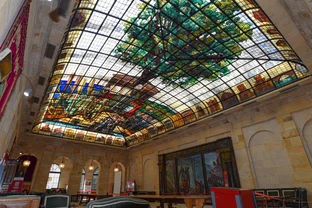
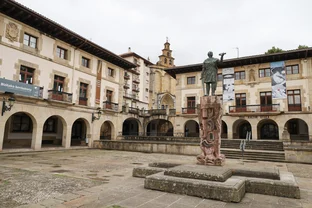
Picasso gave his painting the town’s Castilian name, Guernica, but the Basque name Gernika-Lumo is preferred locally. Though the town has been rebuilt, its significance lies in its symbolism, not in any aesthetic beauty. A church bell chimes softly, and laughing children play in the street. In the midst of this peace, however, you suddenly come upon a sign: souvenirs . . . remember. A ceramic replica of Picasso’s work can be seen at the north end of Calle Allende Salazar and the Peace Museum and Assembly House will let you soak up some deep-rooted ‘Basqueness’.