
Enjoy the Weekend Cultural Treats: Saturday and Sunday are free at the Nacional Centro de Arte Reina Sofía. The tiny Casa Museo de Lope de Vega is free on Saturday only; the private museum Cerralbo is free Saturdays from 2pm and all day Sundays. Sunday-morning-only treats include…
Stefano Politi Markovina / Shutterstock
Things To Do in Madrid
Jump to:
Bookstore
Available as paperback
and as e-book.
Madrid Attractions
Exploring Madrid is easy if you think of its neighborhoods as clusters. You’re likely to spend most of your time in the historic center, but you’d be missing out if you didn’t get to some of the surrounding areas too. Plan your day around one or two districts (see below), take public transit the center of the area and walk from there. In most cases, especially for the art museums, it makes sense to buy your tickets in advance online.
If you plan to visit Madrid's big three art museums, it’s worth investing in the Abono Paseo del Arte. At 32.80€, it saves you 20% on the cost of tickets to the permanent exhibits at El Prado, Thyssen-Bornemisza, and Reina Sofía. Perhaps more importantly, it lets you skip the queues. You can buy the pass at any of the three museums, or online (museothyssen.org/abono-paseo-arte-museos-madrid). Beware of buying from third-party sites that look official but add a hefty management fee that will wipe out any savings. The pass is good for a year, but note it allows just one entry to each museum—it is worthwhile only if you plan to visit all three. Tip: All three museums offer free admission during the last couple of hours of each day they’re open, which is great for those on a budget. But it’s no secret, and you may find it hard to get close to the pictures.
With a Frommer's guidebook in hand you can see the city in an informed way. But if you feel the need for a guide, or have specialist interests, the tourist office suggests a range of tours. Walking tours in English focus primarily on Madrid’s history and art. Other options include architecture, food, and wine-tasting. Prices range from 15€ for a history tour to 80€ for a gourmet walkabout. You can also tour the city by Segway (from 30€ an hour) or by TukTuk (from 80€ an hour). For private, half-day and full-day tours by expert local guides, try Tours by Locals, Context Travel, or Madrid Tour Experience. Expect to pay around 350€ for a 4-hour tour for you and your traveling companions.
If you do decide to go it alone, here's a look at some of the top areas for attractions, nightlife, and sightseeing:
Arts District & Paseos
The Paseo del Prado, the leafy boulevard that runs north to south from Plaza de Cibeles to Atocha rail station, is the mother lode for art lovers. Three of the world’s great art museums—Museo del Prado, Museo Thyssen-Bornemisza, and Museo Nacional Centro de Art Reina Sofía—stand just a few blocks apart, and there are plenty of other points of interest within walking distance, from the botanical gardens to the royal tapestry factory. Metro stops: Estación del Arte and Banco de España.
Puerta del Sol & Barrio de las Letras
Puerta del Sol is the hub of old Madrid and the principal crossroads of the city’s transport systems. It is also the square where madrileños have always flocked when trouble is afoot—from the uprising against Napoleon in 1808 to the economic protests of May 2011—and when there is a party to be had (on New Year’s Eve, for example).
Just uphill to the southeast are the old streets of the Barrio de las Letras, or literary district, which you’ll also hear referred to as Las Huertas. These narrow streets and shady alleys, now embedded with literary quotations, are the same paths walked by playwright Tirso de Molina (1579–1648), novelist Miguel de Cervantes (1547–1616), and the greatest rascal of all, Félix Lope de Vega (1562–1635). Now as then, the neighborhood is home to many of Madrid’s liveliest bars and theaters. Metro: Sol, Sevilla, and Antón Martín.
Plaza Mayor, La Latina & Lavapiés
Madrid was born in La Latina. The neighborhood’s boundaries conform closely to the walled medina of the 10th-century citadel known as al-Majrīt, or “place of water” in Arabic. When Alfonso VI of Castilla y León conquered it in 1085, he turned the mosque into a church and left the walls in place. Four centuries would pass before they were fully torn down to let the village grow, and even today, its narrow streets follow the original Moorish pattern, punctuated almost randomly by little plazas. So, why is it called La Latina? It has nothing to do with the Romans but is named after a hospital founded in 1499 by Beatriz Galindo, a learned woman known as “la Latina.” Plaza Mayor was originally the market square outside the city walls, but since the 17th century it has been Madrid’s main square. Lavapiés, a once-neglected working-class district, is now a vibrant hub of multicultural cuisine and alternative street art.
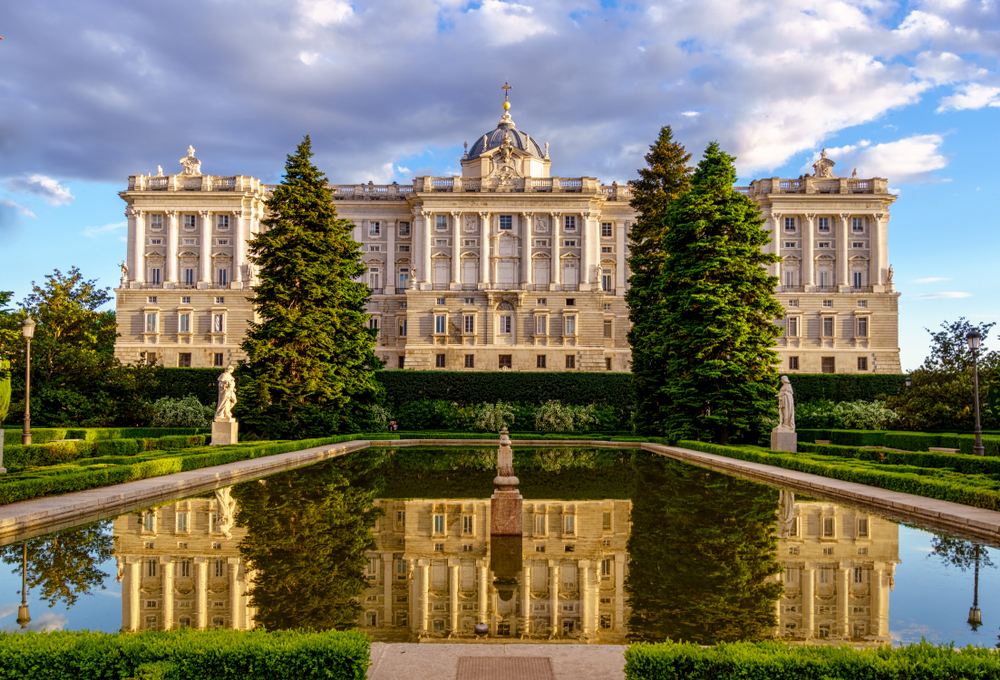
(Palacio Real, photo by LucVi/Shutterstock)
Opera & Palacio Real
As you approach Madrid’s regal quarter, the narrow streets of the old city give way to sun-splashed plazas and the vast formality of the Palacio Real. Comparisons with the Paris Opera and the palace of Versailles are inevitable. Much of what you’ll see here was created under Bourbon kings with French taste—or by another Frenchman, Joseph Bonaparte, Napoleon’s brother, who ruled Spain as José I (1808–13). He earned the nickname Pepe Plazuelas (Joe Squares) due to his penchant for demolishing houses to make way for open spaces, including Plaza de Oriente, the broad expanse between the Teatro Real and the palace. Stop at its center to admire the rearing equestrian statue of Felipe IV, based on designs by Velázquez with scientific input from Galileo. The horse’s hind legs and tail are heavily weighted, while its head and front legs are hollow. A crescent of elegant cafés faces the palace, frequented by ladies who lunch. Metro: Ópera.
Gran Vía, Chueca & Malasaña
The slashing diagonal of Gran Vía, built between 1910 and 1930, was Madrid’s first thoroughfare for the automobile age. By the end of the 20th century, congestion and pollution had made it rather grimy and depressing, but a major program to broaden the sidewalks and spruce up its iconic buildings has restored much of its former glory. Swish hotels with rooftop bars have returned alongside some famous names that never went away. The best way to explore Gran Vía is simply to walk along it, admiring the architecture of the city’s first skyscrapers, the art deco Edificio Carrion (Capitol Building) with its famous Schweppes sign, and Belle Époque gems like the Edificio Metropolis that glitter in the sun. Immediately to the north, the inner-city barrios of Chueca and Malasaña have been gentrifying for decades. Chueca is Madrid’s gay district, a beacon of diversity across Spain, while Malasaña was epicenter of La Movida Madrileña, the post-Franco counter-cultural movement of the 1980s, and remains a haven for students and hipsters. Madrid’s vibrant streetlife and nightlife, rather than monuments, are the main attractions here. Metro stops include Gran Vía, Chueca, and Santo Domingo.
Salamanca, Retiro & Chamberí
After the bustle of old Madrid, Salamanca offers a refined change of pace. The Marqués de Salamanca began developing this neighborhood in the mid-19th century just as the old city walls came down, and it quickly became Madrid’s most exclusive address. Situated north of El Retiro park and east of the Paseo de la Castellana, its broad, tree-lined avenues are laid out in an orderly grid, sprinkled with the flagship stores of international designer brands and some very expensive restaurants. The area around El Retiro is also exclusive, though less showy, while fashionable Chamberí to the northwest has become a magnet for Madrid’s young professionals, with lots of good places–both hip and traditional—for drinks and tapas. Metro stops include Serrano, Retiro, Nuñez de Balboa, and Iglesia.

105 Results
- The Performing Arts
Alfil
Though officially a mainstream theater, the Alfil's repertoire dips so frequently into the avant-garde -- recent performances have included Star Trip (a surrealistic sendup of Star Trek) -- that it's fair to include it in this section. A popular venue for stand-up comics -- having in… - Religious Site
Almudena Cathedral
This highly controversial building -- built on the site of Santa María de la Almudena, which in turn occupied the site of Madrid's first Muslim mosque -- must be one of the longest-delayed projects in modern times: 110 years from inception to conception, in fact. Work began in 1883,…Near the Plaza Mayor & Puerta del Sol
- Gym/Spa
Aquasur
In Aranjuez, this superb open-air pool with five giant slides is an ideal fun location for the kids if you're visiting Madrid in the full heat of summer. Catch the regular cercanías train from Atocha for the 40-minute trip. Free buses run from Aranjuez town center (Calle Príncipe) to… - Theme Park
Aquopolis-Villanueva de la Cañada
One of two Aquopolis water parks in Madrid province (the other is in San Fernando de Henares), this well-equipped summer favorite is among the biggest pool leisure centers in all of Europe. Among its main attractions are its wave pools, huge water slides and -- the coup de grace -- a… - The Performing Arts
Auditorio Nacional de Música
Sheathed in slabs of Spanish granite, marble, and limestone and capped with Iberian tiles, this hall is the ultramodern home of the National Orchestra of Spain and the National Chorus of Spain. Standing just north of Madrid's Salamanca district, it ranks as a major addition to the… - The Performing Arts
Auditorio del Parque de Atracciones
The schedule of this 3,500-seat facility might include everything from punk-rock music groups to the more highbrow warm-weather performances of visiting symphony orchestras. Check with Localidades Galicia (tel. 91-531-27-32 and 90-234-50-09; www.parquedeatracciones.es) to see what's… - Landmark
Banco de España
On the other side of Cibeles Square from the Correos building, Spain's most prestigious bank is housed in an equally impressive 19th-century French Second Empire-influenced landmark designed by Eduardo Adaro and Severiano Sanz de Lastra. Standouts inside include a Carrara marble… - Religious Site
Basilica de San Francisco el Grande
This immense house of worship was completed in 1760 on the site of a Franciscan convent that, tradition has it, was founded by St. Francis of Assisi himself in 1217. The basilica served as Madrid’s leading church until 1993, when Catedral de la Almudena was finished after more than a… - Landmark
Bolsa de Madrid (Stock Exchange)
For a fascinating look into the workings of the Spanish stock market, visit this impressive building designed by 19th-century architect Enrique María Rapulles. Located in the same small square as the Ritz hotel and just a short walk from the Prado, its neoclassical facade attracts…Along or near the Paseo del Prado - Art museum
CaixaForum
Having transformed a London power station into the Tate Modern museum of contemporary art in the 1990s, the Swiss architects Herzog & de Meuron turned their attention to this former power station on Paseo del Prado. The result is a spectacular structure that seems to levitate… - Park/Garden
Campo del Moro
These extremely beautiful gardens slope westward from the Royal Palace toward the River Manzanares. Named after a medieval Arab chieftain who attempted a vain siege of the fortress that occupied the spot where the palace now stands, the park boasts a well-tended profusion of lawns,… - Performing Arts
Cardamomo
Another strong option for flamenco, Cardamomo's intimate setting has launched some of flamenco’s biggest names. Prices quoted are for the show only, with one drink included, but that's ok (this is not a good place to dine). Add 20€ for a platter of ham and cheese. Check websites for… - Landmark
Carrusel Serrano Madrid
Also known as “Carrusel de Belle Epoque” for its late-19th-century styling, this vintage merry-go-round operates on a plaza in front of Salamanca’s branch of El Corte Inglés department store. A step up from conventional street attractions, it has horses with real horsehair tails and… - Historic Site
Casa Museo de Lope de Vega
Félix Lope de Vega (1562–1635) may have been a more complex character than any he invented in his many plays. He bought this house in 1610 when already a famous playwright and lived here for the last 25 years of his life with his mistress and children by at least three different…Along or near the Paseo del Prado - Dance clubs
Casa Patas
To see authentic flamenco in the company of enthusiasts, head to this Andalucían-style club co-founded by members of the jazz-flamenco band, Pata Negra. You might catch a newly discovered singer-guitarist duo or see members of the Amaya, Montoya, or Habichuela royal families of… - Park/Garden
Casa de Campo
Children love the zoo and the Parque de Atracciones (see “Madrid for Families,” both in this park formed from former royal hunting grounds south of the Palacio Real across the Río Manzanares. You can see the gate through which the kings rode out of the palace grounds, either on… - Historic home
Casa de Lope de Vega
Félix Lope de Vega may have been a more complex and fascinating character than any he invented in his many plays. He bought this house in 1610 when he was already an established playwright and lived here for the last 25 years of his life, with his mistress and children by at least… - Historic Site
Casa de la Villa
Of special interest to history buffs, tiny Plaza de la Villa holds some of the city’s oldest extant buildings. The plaza has been the site of city government since medieval times, and the Casa de la Villa, the old town hall, is located here. The original medieval structure was… - Religious Site
Catedral de la Almudena
Wars, rebellions, political chaos, and a lack of cash delayed the completion of Madrid’s cathedral for 110 years after ground was broken in 1883. In keeping with Spanish tradition, it was built on the site of Madrid’s chief mosque under Moorish rule. It was named for the Virgen de la… - The Performing Arts
Centro Cultural de la Villa
Spanish-style ballet, along with zarzuelas (musical reviews), orchestral works, and theater pieces, are presented at this cultural center. Tickets go on sale 5 days before the event, and performances are usually presented at two evening shows (8 and 10:30pm). - Cultural center
CentroCentro
A Neo-Baroque palace that once housed the central post office and telecommunications service, the Palacio de Cibeles became Madrid’s City Hall in 2007. Even the city councilors didn’t need something this big, so much of the building has been converted into a series of galleries, a… - Neighborhood
Cerro de los Angeles (Hill of the Angels)
Located 10km (6 miles) south of Madrid on the outskirts of Getafe, this 670m rise (2,200-ft.) surrounded by pines rivals the town of Pinto as official geographical center of Spain. It offers marvelous views of the fertile plains and less picturesque industrial estates of Southern…Outside the City Center - Cultural center
Circulo de Bellas Artes de Madrid
Founded in 1880 by a group of artists and intellectuals, the Circle of Fine Arts became Madrid’s first cultural center. It moved into this Art Deco building in 1926 and continues to be one of Madrid’s most innovative multidisciplinary spaces, with a couple of stylish cafés. A young… - The Performing Arts
Cuarta Pared
The "Fourth Wall" is another key fringe rendezvous. It boasts its own company as well as an enthusiastic training section and innovative contributors whose plays deal frankly and uncompromisingly with contemporary Spanish social themes. Another highly praised feature is its lively… - Landmark
Cuatro Torres Business Area (CTBA)
This quartet of business-oriented skyscrapers, completed in 2009, and visible from as far as 60km (40 miles) away, represents the new face of 21st-century Madrid. Their slender steel gray and gleaming glass outlines loom high at the northern end of the Castellana Avenue, beside the… - Landmark
Edificio Metrópolis
Another familiar Madrid landmark standing out as prominently as a ship's bow, is this French-built 1911 structure designed by the brothers Jules and Raymond Février for the Union and Fenix Insurance Company. Topped by the bust of a phoenix symbolizing winged victory, its ornate dome… - Park/Garden
El Capricho de Alameda de Osuna
Just below the southern end of Juan Carlos park, in complete contrast to it, is this fully mature, French-style park, designed by J. B. Mulot (Marie Antoinette's gardener) for the duchess of Osuna at the end of the 18th century. It's cool, green, and tranquil, with every conceivable… - Market
El Rastro
On Sunday mornings, all Madrid seems to descend on the city’s famous flea market that dates back centuries. El Rastro sprawls across a triangle of streets a few minutes south of Plaza Mayor. Its spine runs downhill from Plaza de Cascorro along Ribera de Curtidores, or Tanners’ Shore.… - Park/Garden
El Real Jardín Botánico (Royal Botanical Garden)
A short walk west of the Retiro, adjacent to the Museo Nacional del Prado, the garden celebrated its 250th anniversary in 2005. However, the garden hasn't always been in this location. Founded in the 18th century by Fernando VI at the Huerto de Migas Calientes, it was subsequently… - Religious Site
Ermita de San Antonio de la Florida–Panteón de Goya
Goya’s tomb lies in this little hermitage on the banks of the Manzanares north of the Palacio Real. But the real draw is the wonderful, frescoed ceiling depicting the miracles of St. Anthony. Nicknamed Goya’s Sistine Chapel, it took the artist six months to complete in 1798 when he… - Museum
Estación de Chamberí
Travel back in time to the ghost Metro station of Chamberí. Built as part of Madrid’s first subway line in 1919 and abandoned in 1966, the station has been magnificently restored. You can explore its ticket halls and platforms and marvel at the antique tiled signage and… - Landmark
Faro de Madrid
Topped by what looks like a control tower and boasting a marvelous panorama of city and countryside alike, this thin 90m-high (300 ft.) tower (the "Lighthouse of Madrid") rises on the western outskirts of University City, just above Moncloa and right opposite the Museo de América.… - Park/Garden
Faunia
Initially set up in 2001 under the name Parque Biológico de Madrid, Faunia (as it is now called) aims at educating children (and adults) about the natural world by using state-of-the-art technology. A variety of ecosystems, from tropical rainforests to deserts and polar regions, have… - Cultural complex
Fundación Juan March
This family-run foundation dedicated to the sciences and humanities has many free programs. Most notable is the music series; while the schedule could change, concerts are usually on Wednesday and Friday evenings at 7:30pm and at noon on Saturday. It is also worth checking the web… - Museum
Galería de las Colecciones Reales
Madrid’s major new Royal Collections Museum, opened in 2023, is cut into the hillside next to the cathedral and beautifully constructed in the same pale granite. It’s worth visiting early in your stay as its galleries provide a potted history of Spain and its rulers, told through a… - Cooking Class
Hamman al Andalus
Many North Africans have settled in La Latina and adjacent Lavapiés in the last few decades, so it was really only a matter of time before a traditional Arabic bath, a hammam, opened in the neighborhood. Hammam al Andalus is modeled on the baths of Moorish Andalucía, and shares the… - Cooking Class
IMAX Madrid
Incredibly realistic 3-D and Omnimax presentations of science, travel, and wildlife movies make this very special movie house a must for the kids, even though the shows only last an hour and are in Spanish. It's located inside Tierno Galván Park, in southwest Madrid, just a short… - Religious Site
Iglesia de San Isidro
This huge, twin-towered baroque church -- also known as La Colegiata from its early days as part of a Jesuit college -- acted as a substitute cathedral from 1885 until the completion of the Almudena. Designed by Pedro Sánchez in the style of the Gesu in Rome, and built by Francisco…Near the Plaza Mayor & Puerta del Sol - Landmark
KIO Towers
Madrid's very own ultramodern twin version of the Leaning Tower of Pisa, this pair of highly controversial gravity-defying torres was built at the beginning of the booming '80s to symbolize a new economic dawn. Financed by the Kuwaiti Investment Office (hence the name), their… - Historic Site
La Casa de las Siete Chimeneas (House of the Seven Chimneys)
Located in the historic Plaza del Rey on the western edge of Chueca, this remarkable little Habsburg building was the late-16th-century creation of El Escorial architect Juan de Herrera. Celebrated visitors over the years have included Charles I of England and the Marquis of… - The Performing Arts
La Fidula
Serving as a bastion of civility in a sea of rock 'n' roll and disco chaos, this club was converted from an 1800s grocer. Over the past 2 decades, it has been presenting chamber music concerts nightly at 11:30pm, with an additional show at 1am Friday to Sunday, in cooperation with… - Cultural center
Matadero Madrid
This vast contemporary arts complex on the banks of the River Manzanares south of the city center occupies the site of the former Arganzuela slaughterhouse and livestock market. The neo-Mudéjar pavilions of the original site, dating from 1908, have been beautifully restored to create… - Market
Mercado de la Paz
Of Madrid’s many traditional food markets, Salamanca’s is the most beautiful and sophisticated. None can match its presentation of silvery fish and crustaceans on ice, perfectly piled fruit and veg, aged meats and cheeses, and dozens of varieties of olives. In common with many of… - Religious Site
Monasterio de la Encarnación
Central Madrid's other royally endowed Habsburg monastery is quietly nestled in a charming little square between the Royal Palace and Plaza España. Though paling slightly in comparison with the incomparable Descalzas Reales, it still remains by any other standards a must-see. Founded…Near the Plaza Espana - Museum
Monasterio de las Descalzas Reales
In the 16th century, the daughters of nobility had two choices: Be married off to forge alliances with powerful men or opt for a life behind the walls of a convent. Juana de Austria, the charismatic daughter of Carlos V, did both. She married the crown prince of Portugal at age 17,… - Museum
Museo Arqueológico Nacional
Spain’s national archaeological museum, in a grand Neoclassical palace on Madrid’s swishest street, is seriously impressive. Its most celebrated pieces are the Iberian sculptures La Dama de Elche and La Dama de Baza from the 4th century b.c., discovered respectively in 1897 and 1971.… - Museum
Museo Arte Público
Set in an unpromising spot underneath an overpass on the busy Paseo de Castellana, this open-air sculpture park has 17 pieces by some of Spain’s most prominent abstract artists. When the elevated roadway was built in 1970, the artist Eusebio Sempere—who had been commissioned to…Salamanca - Museum
Museo Lázaro Galdiano
The Spanish are enthusiastic collectors, but few equal the financier and publisher José Lázaro Galdiano (1862–1947), whose private collection of 12,600 items fills this Italianate mansion. It is astonishing in its breadth, including paintings, sculpture, archaeological artifacts,… - Art museum
Museo Nacional Centro de Arte Reina Sofía
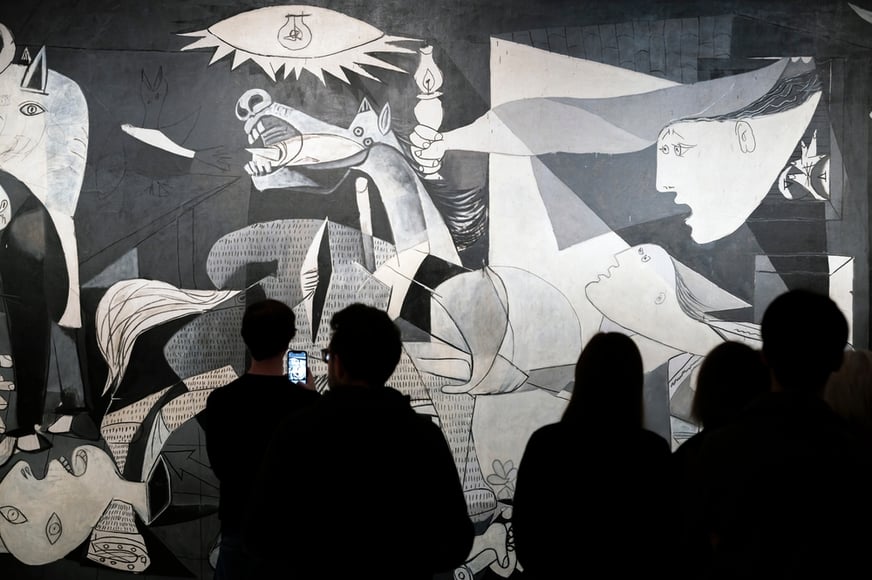
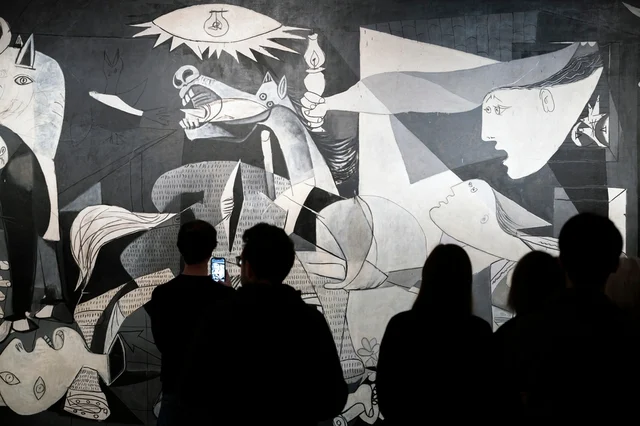
It’s a short walk—and a large aesthetic leap—from the Prado to the Reina Sofía, which holds Spain’s most significant collection of 20th- and 21st-century art, including Picasso’s Guernica. Opened in 1990, the museum consists of an 18th-century former hospital designed by Francisco… - Museum
Museo Naval
Set on the ground level of Spanish Navy headquarters, this museum has a great story to tell. It covers the greatest hits of Spanish naval pre-eminence, including the discovery and exploration of the Americas, the Spanish Armada, and the feared Spanish galleons of the 17th and 18th… - Historic home
Museo Sorolla
You can see pictures by Joaquín Sorolla (1863–1923) at the Prado and elsewhere in Madrid, but this enchanting museum in his former home has the largest collection by the master of light. Sorolla’s paintings, influenced by the French impressionists, enjoyed considerable success among… - Art museum
Museo Thyssen-Bornemisza
Occupying the Palacio Villahermosa across the road from the Prado, the Thyssen houses one of the greatest private art collections ever assembled. The original collection, spanning 8 centuries of European painting, was compiled by the German-Hungarian industrialists Barons Heinrich… - Museum
Museo de América
Much of the history you’ll encounter during a visit to Spain is bound up with the country’s imperial adventure in the Americas. This thoughtful museum, founded in 1941, uses its huge collection of pre-Columbian artifacts—many drawn from Carlos III’s Cabinet of Natural History… - Museum
Museo de Arte Publico
This open-air museum of public sculpture brings whimsy and delight to what would otherwise be a rather bleak set of steps between Calle Serrano and the busy Paseo de Castellana. The works represent two generations of the Spanish avant-garde (a dangerous thing to be in the Franco… - Local Landmark/Outdoor Sculpture
Museo de Escultura al Aire Libre
Set in an unpromising spot beneath an overpass on busy Paseo de la Castellana, this open-air sculpture park has 17 pieces by some of Spain’s most prominent abstract artists. When the flyover was built in 1970, the artist Eusebio Sempere—who had been commissioned to design its hand… - Museum
Museo de Historia de Madrid
Set in a former hospital with an exuberant Baroque façade by Pedro de Ribera, this free museum traces the evolution of Madrid since it became the national capital in 1561. Its exhibits showcase many of the landmarks you’ll be visiting: Plaza Mayor through the ages (where the only… - Museum
Museo de San Isidro
Also known as the Museo de los Orígines, this interesting museum sits on the site where San Isidro Labrador and his wife, Santa María de la Cabeza, were said to have lived in the 12th century. The humble farm laborer became the patron saint of Madrid, which celebrates him with…Near the Plaza Mayor & Puerta del Sol - Art museum
Museo de la Real Academia de Bellas Artes de San Fernando
The new Goya rooms, opened in 2024 at the Royal Academy of Fine Arts, are a revelation. They include an entire set of prints from his Desastres de la Guerra (Disasters of War) series, displayed alongside the original copper plates. He etched these gruesome scenes between 1810 and… - Museum
Museo de los Orígines
Renamed from the Museo de San Isidro in 2013, this museum sits on the site where San Isidro Labrador and his wife, Santa Maria de la Cabeza, were said to have lived in the 12th century. The humble farmer was elevated to the patron saint of Madrid (which celebrates him with a festival… - Art museum
Museo del Prado
There was a quiet revolution at the Prado in 2013, when the museum rehung the galleries of paintings by Diego Velázquez (1599–1660), making his masterpiece, Las Meninas, the central focus. They placed it among his royal portraits directly opposite the entrance of the large Sala 12 on… - Museum
Museo del Romanticismo
This intriguing house museum was originally created in the 1920s by the wealthy collector Marquis de Vega-Inclán, who also founded Toledo’s eccentric Museo del Greco and had a hand in creating Spain’s parador hotels. It has evolved into a museum focusing on the lifestyle of the upper… - Museum
Museo del Traje
If you are interested in the history of fine clothes, and especially in Spain’s famous designers like Balenciaga, this specialty museum is well worth the time. Set in a shiny, purpose-built 1970s building, the museum has dimly lit galleries to preserve the delicate fabrics, and… - The Performing Arts
Nuevo Teatro Alcalá
Specializing in Spanish versions of big Broadway hits such as Cats and Cabaret, this immaculately renovated theater lies just off Alcalá in the Salamanca district. - Religious Site
Palacio Real
When the old royal palace—a dank, dark alcázar captured from the Moors in 1086—burned down in 1734, Felipe V ordered a new palace designed to rival his French cousins’ home at Versailles. Having wrested the throne from the Habsburg line in the War of Spanish Succession, it was… - Historic Site
Palacio Real de El Pardo
One of the less imposing of the royal palaces, El Pardo is worth a visit just to see some of the early Goya tapestries, the other decorative arts, and the gardens. Built in the 16th century as a hunting lodge and backup fortress where Carlos V could feel safe from his many enemies,… - Landmark
Palacio Real de Madrid
No longer occupied by royalty, but still used for state occasions, Madrid's Royal Palace stands on a ridge above the Manzanares River and Campo del Moro park. It was begun in 1738 on the site of the Madrid Alcázar, which burned to the ground in 1734. Some of its 2,000 rooms -- which…Near the Plaza Mayor & Puerta del Sol - Landmark
Palacio de Comunicaciones
This is the grandiose name for Madrid's imposing Correos (Post Office) building, which was completed at the end of World War I by Antonio Palacios and Joaquín Otamendi. An extravagant wedding cake lookalike that gleams cream-ochre above the Plaza de la Cibeles, it's one of the most… - Landmark
Palacio de Cristal (Crystal Palace)
Modeled on London's Crystal Palace of the 1850s, Madrid's greatest wrought-iron and glass-domed Industrial Revolution structure was launched just 30 years later to stage an exhibition of Philippine tropical plants. It stands in the heart of the Retiro Park, reflecting charismatically… - Museum
Palacio de Liria
The Dukes and Duchesses of Alba, a flamboyant dynasty with links to Columbus, the Medicis, and Scottish royals, have had a stride-on role in Spanish history for more than 500 years. This neoclassical pile is their Madrid residence, one of the largest private palaces in Spain, and it… - Park/Garden
Parque Juan Carlos I
This huge park, laid out in 1992 to celebrate Madrid's selection as European Cultural Capital, sprawls beside a golf course at the far western end of the city between Barajas airport and the Feria de Madrid buildings. A vast conglomeration of waterways, gardens, exercise areas, and… - Park/Garden
Parque Tierno Galván
This is one of Madrid's newer parks, built in honor of the city's popular 1980s mayor Enrique Tierno Galván. Located in the southwest of the city, close to the Méndez Álvaro bus station (also known as Estación Sur), it's a sunny open park with lawns, cypresses, panoramic city views,… - Attraction
Parque de Atracciones
This amusement park opened in 1969 with about 30 rides. It has continued to remodel and add new attractions to keep up with the times. You’ll find mini-fire engines for tykes, graceful “flying chairs,” water rides, the “cave of tarantulas,” and a twisting roller coaster called… - Park/Garden
Parque de Oeste
Beautifully laid out by landscape gardener Cecilio Rodríguez at the beginning of the 20th century, this peaceful and relaxing park slopes from the northwestern edge of Arguëlles down toward the River Manzanares and Casa de Campo. Meandering paths follow a well-marked "nature route"… - Park
Parque del Retiro
To see madrileños at their most relaxed, spend a Sunday among the families in Parque del Retiro. Originally a playground for the Spanish monarchs, it became a public park at the end of the 19th century. It covers 140 hectares (346 acres) of lawns, lakes, and woodland, but most of the… - Plaza
Plaza Dos de Mayo
Rebellion echoes down the ages in Malasaña. The brick arch at the center of this broad square marks the site of the Monteleón artillery barracks. When the people of Madrid rose up against Napoleon’s troops on May 2, 1808, Spanish troops were ordered to remain in barracks. The… - Plaza
Plaza Mayor
Awash with overpriced cafes, souvenir shops, and caricature artists, this vast square with its red, arcaded apartments is nevertheless noble and beautiful. The site was originally a food market just outside the city walls, and the current square was created by the Habsburgs in 1619… - Plaza
Plaza Santa Ana
Sooner or later you’re bound to pause for a drink on Plaza Santa Ana. It has been a center for entertainment and nightlife since the Corral del Príncipe, one of Spain’s first theaters, began packing in the crowds in 1583. The successor to the Corral, the 19th-century Teatro Español,… - Landmark
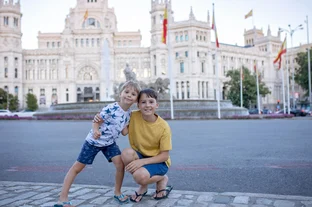
Plaza de Cibeles
One of Madrid’s most emblematic landmarks—and a bus dropping off point—this busy traffic circle is dominated by the grandiose former Palacio de Comunicaciones (CentroCentro) and by the famous Neoclassical fountain, Fuente de Cibeles. It was conceived in 1782 by the great… - Sports Venue
Plaza de Toros Monumental de Las Ventas
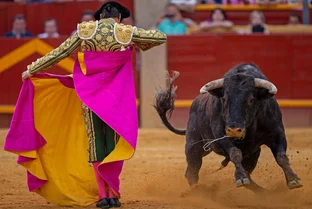
The philosopher José Ortega y Gasset said that to understand the Spanish you must first understand the bullfight. Many Spaniards detest the corrida, but if you want to get some understanding of it, a tour of Las Ventas is a good place to start. The huge neo-Mudéjar construction is… - Plaza
Plaza de la Villa
This beautiful square contains some of the city’s oldest buildings, whose walls have served at different times as high-class prisons. It has been the site of the city’s administration since the medieval period and Casa de la Villa, rebuilt in Renaissance style in the 17th century,… - Landmark
Puerta de Alcalá
Designed by the prominent Italian architect Francesco Sabatini for Carlos III, this granite neoclassical gateway, comprising five arches topped by warrior angels and cupids, marked the eastern edge of the city up to the mid-1800s. Today it stands in the middle of the Plaza de… - Plaza
Puerta del Sol
The transformation in recent years of Madrid’s iconic meeting place has been remarkable. Until not so long ago it was a polluted and rather seedy transport hub surrounded by flop hotels, albeit with plenty of old-time character. Now it has been regenerated as a pedestrian-only plaza… - Park/Garden
Quinta de la Fuente del Berro
An oasis of unexpected peace beside the busy M-30 at the western end of the Salamanca district, this mature gem of a park dates from the 17th century and manages to support a wide selection of trees from all over the world within its small confines. Near the upper entrance is an… - Religious Site
Real Basílica de San Francisco el Grande
Prior to the inauguration of the Almudena, this imposing 18th-century church shared honors with San Isidro as the most important religious building in Madrid. Its dome is larger than that of St. Paul's in London, and its interior is filled with a number of ecclesiastical works,…Near the Plaza Mayor & Puerta del Sol - Factory Tour
Real Fábrica de Tapices
The first Bourbon king Felipe V founded the royal tapestry factory in 1721 as Spain’s answer to his grandfather Louis XIV’s Gobelins Manufactory in Paris. Three centuries later, master weavers are still making beautiful tapestries and rugs on traditional handlooms. Organizing a visit… - Landmark
Real Fábrica de Tapices (Royal Tapestry Factory)
At this factory, founded nearly 300 years ago by Philip V and located a short walk southeast of Atocha railway station, the age-old process of making exquisite (and very expensive) tapestries is still carried on with consummate skill. Nearly every tapestry is based on a cartoon of…Near Atocha - Park/Garden
Real Jardín Botánico
The Age of Enlightenment lives on in these gardens next to the Prado. Carlos III, known as the mayor king because of his devotion to city improvements, had the architects Sabatini and Villanueva lay out tiered gardens to showcase the royal collection of plants from around the world.… - Religious Site
Real Monasterio de la Encarnación
If you have visited the Descalzas, you might find its sister institution something of letdown. An Augustinian convent, founded in 1611 by Marguerite of Austria, wife of Felipe III, its main attraction is the harmonious design by royal architect Ventura Rodriguez, who rebuilt it after… - Park/Garden
Real Palacio de El Pardo
Just 15km (10 miles) north of the city center in the tiny town of El Pardo, surrounded by a magnificent expanse of protected -- and alas largely private -- parklands filled with deer and birdlife, is the palace where General Franco lived and performed his duties as head of state for…Outside the City Center - Zoo/Aquarium
Safari Madrid
This animal-lover's paradise is located near the village of Aldea del Fresno just west of Navalcarnero, and is close to a lake and the beach-bordered Alberche River, where you can rent a paddleboat and swim in summer. A colorful range of nearly 500 animals, from tigers and monkeys to… - The Performing Arts
Sala Triángulo
For alternative theater aficionados, this is the best of Madrid's offerings, presenting some of the most adventurously original satires and surrealistic sketches in town. Some programs may start at midnight. The box office opens 30 minutes before each show. Check with the theater for… - Religious Site
San Nicolás de los Servitas Church
Officially confirmed as the oldest church in the city, San Nicolás still retains a slightly renovated 12th-century Mudéjar bell tower, built by Muslims under Christian rule though the rest of the church was reconstructed 3 centuries later. The tiny interior contains paintings by…Near the Plaza Mayor & Puerta del Sol - Religious Site
San Pedro el Leal
Also known as San Pedro el Viejo, and roughly the same size as San Nicolás, this is Madrid's second-oldest church and boasts the city's other remaining Mudéjar tower, said to still be in its exact original form. Built in the 14th century, the tower has a slight incline and has been…Near the Plaza Mayor & Puerta del Sol - Landmark
Sociedad General de Autores de España
This extraordinary building, former home of banker Javier González Longoria (and also known as Palacio Longoria), is the only example of Catalan Art Nouveau architecture in Madrid. Gaudí and other exponents of this distinctive style never really got a look in, probably because of the… - The Performing Arts
Teatro Bellas Artes
In its early days, audiences at this long-established theater adjoining the Círculo de Bellas Artes cultural center enjoyed a prolific program organized by the colorful 19th-century novelist and playwright Ramón de Valle-Inclán. After a period of decline when relatively few plays… - The Performing Arts
Teatro Häagen-Dazs Calderón
Disconcertingly renamed after its takeover by the internationally famous ice-cream company, this fine old theater (the largest in Madrid, with a seating capacity of 2,000) has switched from its traditional opera and flamenco programs to more modern entertainments such as 2010's… - The Performing Arts
Teatro Lara
Reopened in the mid-1990s after years of disuse, the Teatro Lara stands on a steep narrow lane in Malasaña. It's a marvelous example of a 19th-century theater, and its evocatively traditional architecture has remained largely unchanged since refurbishment. Family plays and musicals… - Theater
Teatro Real
Begun in 1818, the Royal Opera House finally opened its doors in 1850 in time to celebrate the 20th birthday of Queen Isabel II, and it has seen some dramatic moments since. A partial collapse caused its closure in 1925, and an exploding powder keg during the Civil War meant it sat… - The Performing Arts
Teatro de la Comedia
This is the home of the Compañía Nacional de Teatro Clásico. Here, more than anywhere else in Madrid, you're likely to see performances from the classic repertoire of such great Spanish dramatists as Lope de Vega and Calderón de la Barca. There are no performances on Wednesday, and… - Cooking Class
Teleférico
Strung high above several of Madrid's verdant parks, this cable car was originally built in 1969 as part of a public fairgrounds (Parque de Atracciones) modeled vaguely along the lines of Disneyland. Today, even for visitors not interested in visiting the park, the teleférico retains… - Ride
Teleférico de Madrid
A fun way to reach the Parque de Atracciones, the Teleférico is also an attraction in its own right. It was built in 1969 to connect the fairgrounds of the Casa de Campo with the eastern edge of Parque del Oeste, not far from the Palacio Real. The Disneyland-style cable cars take… - Religious Site
Templo de Debod
What is this curious monument—an Egyptian temple dating from the 2nd century b.c.—doing in Madrid? The processional gateways and stone shrine were donated to Spain by the Egyptian government as a thank you for helping save the monuments of Nubia following the construction of the…Near the Plaza Espana - Tour
Tren de la Fresa
Known as the "Strawberry Train" because fresas (strawberries) are handed out by hostesses dressed in period costumes, this 50-minute trip from Atocha station to the town of Aranjuez is on an old steam train. This not only offers a relaxing and atmospheric way of travel, evoking an… - Theme Park
Warner Brothers Movie World
Spain's answer to Disney World lies a half-hour south of Madrid center. It's not cheap (and you're not allowed to take your own food and drink), but it's proved a smash for the family and could be worth stretching the budget for a day. Its five themed areas cover Old West Territory,… - Zoo/Aquarium
Zoo Aquarium de Madrid
When this zoo opened in 1972, it was in the forefront of thinking about how to best let animals and people interact, with animals in simulated natural habitats separated from humans by pits or moats. We like to think that this respectful approach has been a factor in the success of…
Madrid Shopping
Shopping is a passion in Madrid where free-spending pijos (people with money) keep the ultra-chic Salamanca designer shops in business. Chueca boutiques around Calle Almirante offer alternative designers, while Calle Fuencarral is packed with fashionable international brands. High-street stores are clustered along Calle Preciados and the best place for handicrafts is around Plaza Mayor. Larger shops stay open from 10am until 8pm or 8.30pm, many smaller ones close from 2pm to 5pm.
Here's a look at which top Spanish brands you can find on which streets, as well as an overview of specialty shopping.
Shopping in Salamanca, Madrid
For luxury (or window) shopping, head to Calle Serrano and its environs, nicknamed La Milla de Oro—the Golden Mile. These stylish avenues are sprinkled with the flagship stores of international designers and leading Spanish brands including Balenciaga, Calle Ortega y Gasset, 10 (tel. 91-419-99-00; metro: Núñez be Balboa), Adolfo Dominguez, Calle Serrano, 5 (tel. 91-436-26-00; metro: Retiro); and the elite handbag maker Loewe, Calle Serrano, 34 (tel. 91-577-60-56; metro: Serrano).
Some of Spain’s most venerable names in jewelry have stores here, including Rabat, Calle Serrano, 26 (tel. 91-431-93-33; metro: Serrano), Suarez, Calle Serrano, 63 (tel. 91-781-16-80; metro: Serrano), and Tous, Calle Serrano, 50 (tel. 63-014-83-26; metro: Serrano).
The upmarket shopping mall ABC Serrano, Calle Serrano, 61 (tel. 91-577-50-31; metro: Serrano), occupies a striking Neo-Mudéjar building that was once the headquarters of the ABC newspaper.
For exquisitely packaged food and wine, visit the Gourmet Experience at El Corte Inglés Serrano, Calle Serrano, 52 (tel. 90-193-09-30; metro: Serrano). Hand-made, gift-wrapped chocolates from Bombonería Santa, Calle Serrano, 56 (tel. 91-576-86-46; metro: Serrano), will make you popular when you get home.
Gran Vía Shopping
Madrid’s most famous street, Gran Vía, now hosts many of the ubiquitous international high-street brands but it’s still an enjoyable place for a shopping spree. The grandeur of its 20th-century architecture and the newly broadened sidewalks help. Spanish fashion brands with flagship stores here include Zara, Gran Vía, 34 (tel. 91-521-12-83; metro: Callao), Stradivarius, Gran Vía, 30 (tel. 91-523-07-15; Gran Vía), and Mango, Gran Vía, 32 (tel. 91-521-08-79; metro: Gran Vía), alongside some of the bespoke luxury brands you’ll also find in Salamanca.
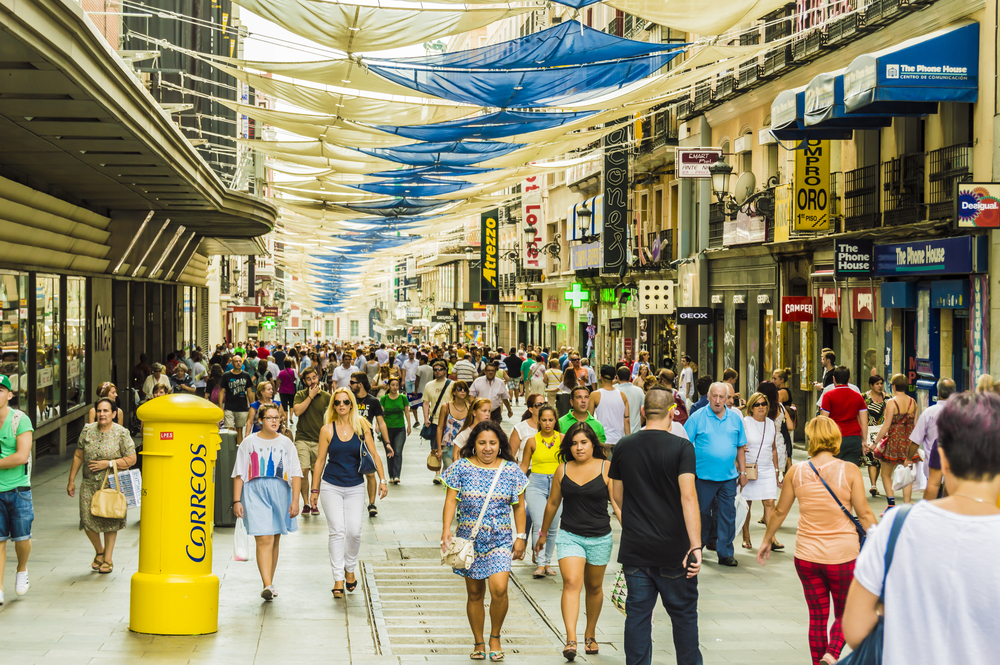
Cheap But Cool Shopping in Chueca & Malasaña
Shoppers with more limited means may prefer these hip neighborhoods. Explore the side streets around Calle Fuencarral for up-and-coming designers, graffitied vintage clothes stores, and secondhand comics.
Popland, Calle de Manuela Malasaña, 24 (tel. 91-5-91-21-20; metro: San Bernardo), and Templo de Susu, Calle de Espiritú Santo, 1 (tel. 91-523-31-22; metro: Tribunal), are long-established classics and new places are popping up all the time.
Chueca’s Calle Augusto Figueroa is shoe central—often with bargain prices—and the outlet store of Salvador Bachiller, Calle Gravina, 11 (tel. 91-523-30-37; metro: Chueca), is a good place for cheap and cheerfully colored luggage and bags. Nearby Antigua Casa Crespo, Calle Divino Pastor, 29 (tel. 91-521-56-54; metro: San Bernardo), is a lovely old shop selling traditional rope-soled espadrilles (alpargatas), including fashionable new designs. Casa Postal, Calle de la Libertad, 37 (tel. 91-532-70-37; metro: Chueca), is a collector’s paradise of old postcards, photographs, and ephemera that paints a wonderful picture of Spain in days gone by.
To the east, the streets of the Justicia district are dotted with one-off concept stores for cutting edge design and sustainable fashion; two favorites are Luciernaga, Calle Infantas, 32 (tel. 65-799-84-54; metro: Gran Vía), and Despacio, Calle de Belén, 10 (tel. 91-011-02-85; metro: Chueca). Casa González y González, Calle de Pelayo, 68 (tel. 91-056-70-01; metro: Chueca), sells beautiful traditional household items.
Around Plaza Mayor & Puerta del Sol
Among trashy shops in the tourist center are some traditional and upmarket gems. Head to La Favorita, Plaza Mayor, 25 (tel. 91-366-58-77), or Casa Yustas, Plaza Mayor, 30 (tel. 91-366-50-84), for caps (gorras), berets (boinas), and good-value Panama hats. Casa de Diego, Puerta del Sol, 12 (tel. 91-522-66-43; metro: Sol), has been selling beautifully decorated hand-made fans (abanicos), shawls (mantones), and veils (mantillas) for 200 years, and Capas Seseña, Calle Cruz, 23 (; 📞 91-531-68-40; metro: Sol), has turned its traditional, and expensive, capes into high fashion. La Violeta, Plaza de Canalejas, 6 (tel. 91-522-55-22; metro: Sol or Sevilla), is a lovely old shop selling its own brand of violet-flavored boiled sweets, packaged with ribbons.
Cocol, Costanilla de San Andrés, 18 (tel. 91-919-67-70; metro: La Latina), and Real Fábrica, Calle de Cervantes, 9 (tel. 91-125-20-21; metro Antón Martín), are modern stores focusing on authentic crafts and comestibles with a Made in Spain tag.
For luxury boutiques, head to Galería Canalejas, Plaza de Canalejas, 1 (tel. 91-108-56-06; metro: Sol or Sevilla), an extravagant shopping complex in a restored former insurance company HQ.
Specialty Shops
If you’re interested in Spain’s great ceramics tradition, don’t miss Antigua Casa Talavera, Calle Isabel La Católica, 2 (tel. 91-547-34-17; metro: Santo Domingo), where the tiled façade and friendly owner are worth the trip even if you’re not buying.
Spain’s guitar-making craft lives on at Guitarras Ramírez, Calle de la Paz, 8 (tel. 68-012-22-62; metro: Sevilla). Founded in the 1880s, its instruments have been favored by guitarists from Andrés Segovia to George Harrison. The Spanish guitar part on the Beatles’ And I Love Her was played on a Ramirez.
For secondhand flamenco and rock CDs and vinyl, Discos La Gramola, Postigo de San Martín, 4 (tel. 68-527-71-08; metro: Sol), is an enjoyable place to rummage.
Markets
Sunday morning is the time for Madrid’s famous flea market El Rastro, whose acres of stalls hawk vintage clothes, secondhand books and vinyl, and plenty of junk.
For the more serious collector, it’s worth returning on a weekday to browse the antique shops at Galerías Piquer and Nuevas Galerías on Ribera de Curtidores.
If you’re visiting Madrid on the second weekend of the month, Mercado de Motores is a good bet for bric-a-brac and quirky Spanish designs.
20 Results
- Fashion
Adolfo Dominguez
This controversial Gallego designer from Orense has created a cool, laid-back style of clothing that caters to both sexes. Though too spare (verging on austere) for some tastes, its no-frills style and impressive cost-to-value ratio appeal greatly to others. Snazzier shoes and a… - Fashion
Agatha Ruiz de la Prada
A former leading light of the dynamic movida period of the late '80s, Agatha Ruiz de la Prada faded in popularity and then made a resurgence a decade ago in the ground floor of this Chamberí building built by her grandfather. Here you'll find the full gamut of her latest bright,… - China & Glassware
Antigua Casa Talavera
"The first house of Spanish ceramics" has wares that include a sampling of regional styles from every major area of Spain, including Talavera, Toledo, Manises, Valencia, Puente del Arzobispo, Alcora, Granada, and Seville. Sangria pitchers, dinnerware, tea sets, plates, and vases are… Antón Martín
This is one of the friendliest, and surprisingly least-known, of the traditional Madrileño markets, with two floors serving every conceivable kind of produce from Spain and farther afield. Adjoining street stalls sell a tantalizing variety of fish and smoked products.- Fashion
Capas Seseña
Founded shortly after the turn of the 20th century, this shop manufactures and sells wool capes for women and men alike. The wool comes from the mountain town of Béjar, near Salamanca. Celebrities who have been spotted over the years donning Seseña capes include Picasso, Hemingway,… - Arts & Crafts
Casa Bonet
The intricately detailed embroideries produced in Spain's Balearic Islands (especially Majorca) are avidly sought for bridal chests and elegant dinner settings. A few examples of the store's extensive inventory are displayed on the walls. Casa de Diego
Here you'll find a wide inventory of fans, ranging from plain to fancy, plastic to exotic hardwood, and cost-conscious to lavish. Some fans tend to be a bit overpriced; shopping around may increase your chances of finding a real bargain.Chamartín
A close rival to La Paz in the chic market stakes is residential Chamartín's traditional two-story food emporium. Noted for its small but immaculate fresh fish selection and marvelous range of olive oils and sauces, it also boasts an impressive range of quality meats, fruits, and…El Corte Inglés
This flagship of the largest department-store chain in Spain, which has several branches in all the major cities, sells hundreds of souvenirs and Spanish handicrafts, such as damascene steelwork from Toledo, flamenco dolls, and embroidered shawls. Some astute buyers report that it…- Leather Goods
Farrutx
One of the most well-known names in the world of footwear, Farrutx originates from the Balearic island of Mallorca (its zapaterías, or shoe shops, are renowned for producing elegant quality goods). Belts and handbags feature highly among other leather products on sale here. - Art
Galería Marlborough
Set on a stylish Chamberí street, this deceptively spacious gallery was designed by stateside architect Richard Gluckman. International artists from David Hockney to Luis Gordillo are regularly represented, and the gallery has branches in New York, London, and Monte Carlo. - Antiques
Galerías Piquer
This huge arcade of newish shops selling old things is set on the same street as the Rastro and has an equally varied choice of antiques and knickknacks. It's all a bit neater and tidier, and, for some, lacks the full-blooded exhilaration of the gritty street market itself. Certainly… José Ramírez
A true Spanish original, this long-established shop located just a stone's throw from the Puerta del Sol sells nothing but guitars. Not any old guitars, though. These handmade gems are purchased worldwide, and all shipping orders must be placed in the shop itself. Such is its fame…La Cebada
In spite of its ugly functional outward appearance, this La Latina landmark, right on the edge of the historic Plaza de la Cebada, is a bustling old-style market with an attractive variety of produce spread over two spacious levels.La Paz
The neatest and most stylish market in Madrid, and possibly all of Spain, La Paz is located on the western edge of fashionable Salamanca. Pride of place goes to its charcuterie counters, but everything is top quality, hyperclean, and served with attentive professionalism. The classic…- Leather Goods
Loewe
Since 1846, this has been the most elegant leather store in Spain. Its gold medal-winning designers have always kept abreast of changing tastes and styles, but the inventory still retains a timeless chic. The store sells luggage, handbags, and jackets for men and women (in leather or… Maravillas
Situated between the northwesterly districts of Cuatro Caminos and Tetuan, this is the biggest of Madrid's old-style markets: noisier, grittier, more Rabelaisean than the previous two. Its choice of fish is the largest and most varied in the capital. Bargain-priced bar counters offer…- Antiques
Mercado Puerta de Toledo
This deluxe selection of antique locales is located amid a conglomeration of 60-odd shops at the Puerta de Toledo, a short stroll from Ribera de Curtidores. Great places to look for quality vintage brass and ceramic goods. - Market
Mercado de Motores
On the second weekend of each month, this market for crafts, food, and vintage items takes over the Museo del Ferrocarril railway museum next to Delicias Metro station south of the city center. Inside, gourmet food stalls and jewelry and clothes designers share the space with old… San Miguel
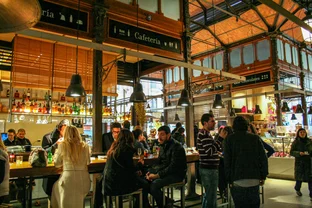
This Industrial Revolution wrought-iron-and-glass-facade building, set right in the heart of the Austrias district just below the Plaza Mayor, has been allowed to retain its charming original moderniste structure, but character-wise has metamorphosed into a highly sanitized "center…
More About Madrid Shopping
Madrid Nightlife
Madrid has a number of theaters, opera companies, and companies for flamenco and other types of dance (see individual reviews on this website of the best ones). But it's most renowned for its bars and clubs. From the the bars and dance clubs of trendy Chueca, to alternative Malasaña, stylish La Latina and multicultural Lavapiés, Madrid's nightlife is vast and varied. If you're looking for a bCafé Commercial, Café del Círculo de Bellas Artes and Vinoteca Barbechera are great places to warm up before the serious bar-hopping begins. Clubs officially wind down around 6am and others carry on till way past dawn – look out for flyers and advertisements.
Top Bars and Streets for Bar Hopping
The time for beer and tapas begins around 8:30pm. While many visitors gravitate to the bars around Plaza Santa Ana, locals are more likely to head to Cava Baja or Calle Jesús, or further afield. The bars of Chueca and Malasaña have plenty of antique character and hipster clientele, like at Taberna de Ángel Sierra (Calle de Gravina, 11), Casa Camacho (Calle de San Andrés, 4), or Casa Baranda (Calle de Colón, 11).
It’s also worth seeking out Chamberí’s Plaza de Olavide (metro: Quevedo or Iglesia), where almost every building on the circular plaza has a pavement bar full of chatting groups of friends. Nearby Calle Ponzano (metro: Ríos Rosas or Alonso Cano) is a great place to hop from one bar to another—there are scores on them on the same street.
We also have devoted an entire section of this website to the top tapas bars in Madrid by the food they serve. Click here to read that.
Late Night Tipples and Tapas
As the clock moves past midnight, gin and tonic served in goldfish bowl goblets becomes the drink of choice. Founded in 1931, Museo Chicote, Calle Gran Vía, 12 (tel/ 915-326-737; metro: Gran Vía), was Madrid’s first American-style cocktail bar, a favorite of Hemingway and Buñuel.
Salmon Guru, Calle de Echegaray, 21 (tel. metro:Antón Martín), is the last word in modern cocktails created by the mixologist Diego Cabrera. You can’t book, so be prepared to wait in line.
For late drinks with views, book a rooftop table at the ME Reina Victoria hotel, Plaza de Sta. Ana, 14 (tel. 91-701-60-00; metro: Sol or Antón Martín), or at the uber-stylish Hotel Urban, Carrera de San Jerónimo, 34 (tel. 917-877-770; metro: Sevilla). At weekends in summer, they stay open until at least 2am.
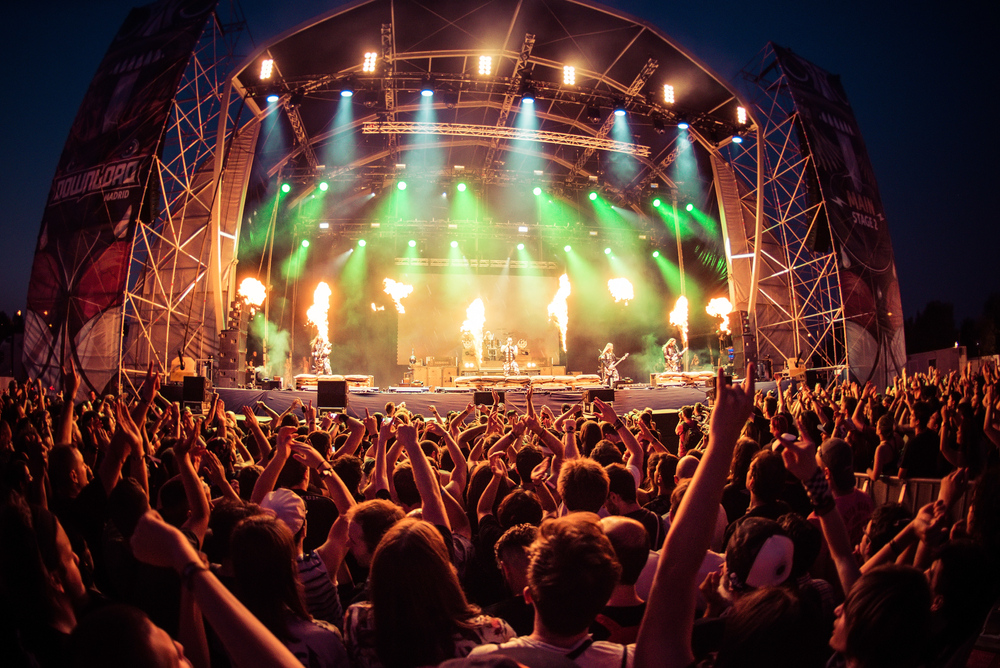
Live Music and Dancing
If you enjoy jazz or blues, check out Café Central, Plaza del Angel, 10 (tel. 91-369-41-43; metro: Antón Martín), or the cavernlike La Coquette Blues Bar, Calle de las Hileras, 14 (tel. 91-521-09-15; metro: Ópera). Both clubs get top talent. The Malasaña mega-club Clamores, Calle Alburquerque, 14 (tel. 91-445-54-80; metro: Bilbao), often stages early-evening concerts before turning into a late-night dance club. Its main competitor is Teatro Eslava, Calle Arenal, 11 (tel. 91-575-06-27; metro: Sol or Opera), which is set in a 19th-century theater reimagined by the designer Philippe Starck. Enslava is open every night of the year and is conveniently located next to Chocolatería San Ginés for chocolate con churros at dawn.
Madrid is also home to a number of major music festivals. For a list of those, visit esmadrid.com/en/music-festivals.
LGBTQIA+ Clubs
Chueca pulsates with gay bars and clubs. The most happening include LL Show Bar, C. de Pelayo, 11 (tel. 61-908-88-11; metro: Chueca) which has nightly drag shows, and Studio 54, Calle de Barbieri, 7 (tel. 61-512-68-07; metro: Chueca), which pays homage to the ’70s New York scene.
10 Results
- Jazz
Café Central
Off the Plaza de Santa Ana, beside the famed Gran Hotel Victoria, the Café Central has a vaguely turn-of-the-20th-century Art Deco interior, with an unusual series of stained-glass windows. Many of the customers read newspapers and talk at the marble-top tables during the day, but… - Jazz
Clamores
With dozens of small tables and a huge bar in its dark and smoky interior, Clamores, which means "noises" in Spanish, is the largest and one of the most popular jazz clubs in Madrid. Established in the early 1980s, it has thrived because of the diverse roster of American and Spanish… - Jazz
Corral de la Morería
Received wisdom says that when it comes to flamenco, you should sidestep dinner, which is likely to be overpriced and disappointing. The startling exception is Corral de la Morería which offers gastronomic tasting menus by chef David García alongside first-rate performances curated… - Bars & Pubs
Museo Chicote
This is not a museum but simply Madrid's most famous cocktail bar. It's classic retro chic, with the same 1930s interior design it had when the foreign press came to sit out the Spanish Civil War. Long a favorite of artists and writers, the bar became a haven for prostitutes in the… - Performing Arts
Tablao Flamenco 1911
This is one of Spain’s oldest and most famous flamenco venues, featuring enchanting Andalucian decoration inside and out. The standard for the shows is high, though the food here is basic at best. - Performing Arts Venue
Teatro Caser Calderón
Madrid’s largest theater has more than a thousand plush red seats. For 100 years it has staged everything from flamenco to opera, but now focuses on blockbuster international shows like The Book of Mormon. - The Performing Arts
Teatro Español
The exquisite 19th-century theater on Plaza Santa Ana presents serious Spanish theater, music, and dance. Reliefs on the façade depict the pantheon of Spain’s Golden Age playwrights. Calle Principe, 25. - Theater
Teatro Monumental
This former 1920s cinema is home to the symphony orchestra of Spanish radio and television (RTVE), which broadcasts a series of classical concerts from October through May. The acoustics—as well as the space—are monumental. - The Performing Arts
Teatro Nuevo Apolo
The Apolo began life as a home for zarzuela musical variety in the 1930s, but these days focuses on mainstream Spanish and international entertainment shows. Plaza de Tirso de Molina, 1.Puerta del Sol and Barrio de las Letras - The Performing Arts
Teatro de la Zarzuela
If you’re curious about Spain’s equivalent of Broadway musicals, this theater is the principal venue for the art form known as zarzuela. It mixes sketch theater, opera, popular song, and spoken narrative—all in Spanish, of course. This theater of potent nostalgia also produces ballet…Puerto del Sol and Barrio de las Letras
More To Do in Madrid
The Best Things to Bring Home from Your Visit in Madrid
Leather: Leather has long been one of Spain's highest valued products, and best buys range from stylish belts and handbags to handmade shoes and fine jackets. Check out such top shops as Loewe in the Gran Vía and Farrutx in Calle de Claudio Coello. Or rummage through Sunday's…
The Best Bars and Cafes in Madrid
Best Cocktail Bar: Try the daiquiris at Del Diego, and you'll have to agree they're the best in town. Cool decor, low-key atmosphere, and smooth attentive service add to the charm of this discreet spot, tucked away in a quiet street just below the Gran Vía.Best Literary Cafe:…