Central Station

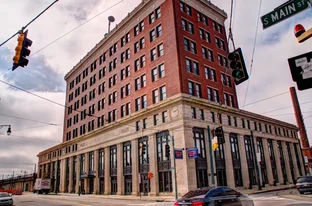
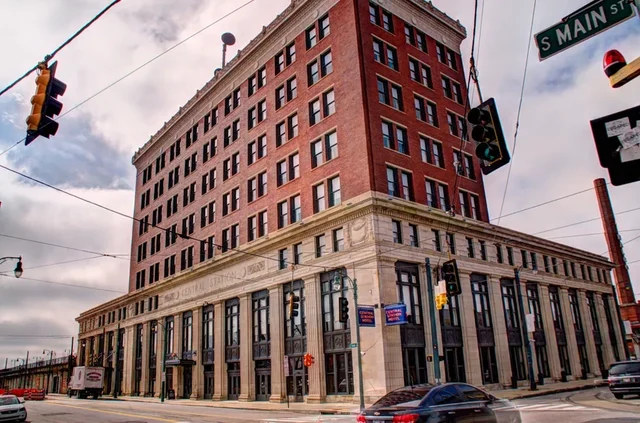
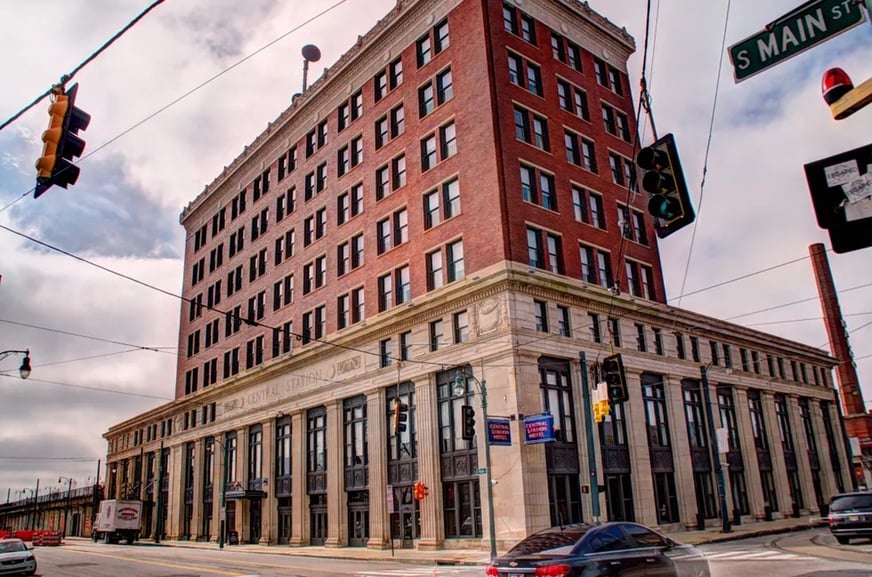
It’s rare to find a hotel that’s as modern as it is historic, but that’s just what this one achieves. Memphis Central Station, referred to as Grand Central Station up until 1944, opened as a railroad station in 1914. Today, the building has been expanded, updated, and fully renovated to house lodging, dining, and a transportation station. The hotel is equal parts modern comfort (rich leathers, dark wood) and living monument to Memphis. When you walk into the lobby, you’ll be greeted by a restored departures-style neon sign and a “Yellow Cabs” sign, which locals know is a nod to the Memphis business of the same name. You’ll see mid-century modern décor mixed with industrial elements, both of which continue into the comfortable, spacious, chic guestrooms. Downstairs, you’ll also notice that 10,000 records line the walls of the Eight and Sands lobby bar. Because this place was designed by a local, those records don’t gather dust: A DJ spins them nightly, giving the place a pulse most other hotels lack. (There’s even a karaoke room behind the bar you can rent or even just sneak into.) As you walk down the hall to Bishop restaurant, notice the heavy wooden benches, picked to mirror the ones that people would have waited for their departures on—and still do today. The hotel services both Amtrak's City of New Orleans route and the MATA Trolley system.
It’s rare to find a hotel that’s as modern as it is historic, but that’s just what this one achieves. Memphis Central Station, referred to as Grand Central Station up until 1944, opened as a railroad station in 1914. Today, the building has been expanded, updated, and fully renovated to house lodging, dining, and a transportation station. The hotel is equal parts modern comfort (rich leathers, dark wood) and living monument to Memphis. When you walk into the lobby, you’ll be greeted by a restored departures-style neon sign and a “Yellow Cabs” sign, which locals know is a nod to the Memphis business of the same name. You’ll see mid-century modern décor mixed with industrial elements, both of which continue into the comfortable, spacious, chic guestrooms. Downstairs, you’ll also notice that 10,000 records line the walls of the Eight and Sands lobby bar. Because this place was designed by a local, those records don’t gather dust: A DJ spins them nightly, giving the place a pulse most other hotels lack. (There’s even a karaoke room behind the bar you can rent or even just sneak into.) As you walk down the hall to Bishop restaurant, notice the heavy wooden benches, picked to mirror the ones that people would have waited for their departures on—and still do today. The hotel services both Amtrak's City of New Orleans route and the MATA Trolley system.
Details
Bookstore
Available as paperback
and as e-book.