luism2p / Shutterstock
Avila Travel Guide
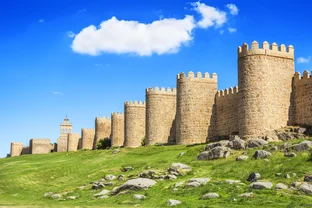
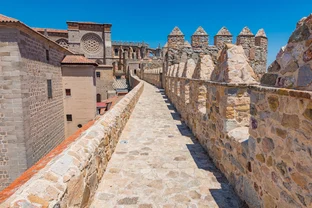
A UNESCO World Heritage Site, the ancient city of Avila draws pilgrims for its physical wonders—most notably the well-preserved 11th-century walls and battlements—and for its spiritual history. It was home base of dynamic mystic reformer Santa Teresa, co-founder (with San Juan de la Cruz) of the Carmelitas Descalzos (Barefoot Carmelites). She was born here in 1515, entered the Carmelites at 19, and began her reform of the order at age 45. Both a prolific writer and a brilliant organizer, Santa Teresa became the practical and political mover of the Spanish Counter-Reformation, while her compatriot San Juan de la Cruz tended to the inner spiritual life of the reform movement. Several sites associated with Santa Teresa remain in Avila, and the pious visit them as a pilgrimage.
If you are coming to Avila to see the walls, make it a day trip. If you want to delve into the religious history, plan on staying the night but note that while Avila attracts many religious pilgrims, its hotels are few. Book ahead, especially for July and August, when Spaniards make their pilgrimages and the searing heat means you will certainly want air-conditioning.