Mo Wu / Shutterstock.com
Lisbon Travel Guide
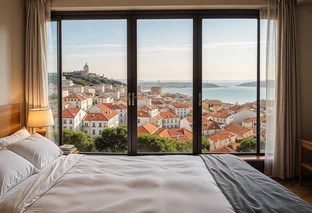
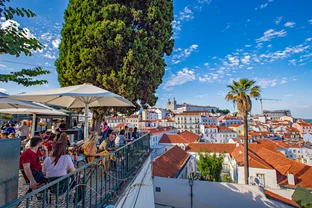
Bathed in pure Atlantic light, crowned by the storybook St. George's Castle and straddling seven hills, Lisbon is one of Europe's most visually striking capitals. Looks aside, the city will surely win you over with its genuine friendliness and blissfully laid-back pace. At once nostalgic and progressive, Lisbon's charm shines through in everyday life -- listening to the mournful fado songs in the Moorish Alfama's alleys, indulging in custard tarts in gilded Art Nouveau patisseries and living it up at a Bairro Alto street party.
Things to Do
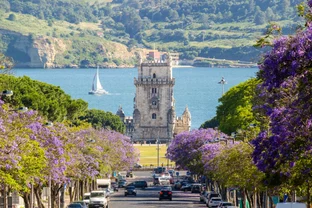
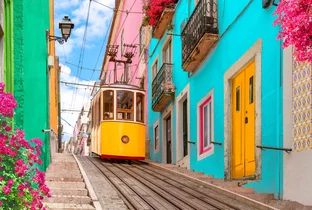
Nothing says Lisbon like a ride on century-old tram 28, which trundles past stately plazas, Estrela Basilica's graceful dome and the Romanesque Sé Cathedral. Jump off at hilltop St George's Castle for a rampart stroll and views reaching to the Tagus River. Just steps away, the Moorish Alfama quarter's mazy lanes are full of laundry billowing, neighbors gossiping and melancholic fado songs. Down by the river, Jerónimos Monastery's fantastically ornate Manueline cloisters whisk you back to Portugal's Age of Discovery.
Shopping
Kid leather gloves, tawny port, tinned fish -- you'll find it all in the specialty stores lining Pombaline Baixa, Rossio and Chiado. Compare purchases over a bica (espresso) on the terrace of Art Deco A Brasileira café. Young Lisboetas combine bar crawling with late-night shopping in the Bairro Alto, where boutiques stock vintage fashion and the sassy collections of Portuguese style icons Lena Aires and Fátima Lopes. Avenida da Liberdade is Lisbon's catwalk of big-name designers.
Nightlife and Entertainment
Join locals for sunset shots of ginjinha (cherry liqueur) on the cobbles in front of hole-in-the-wall A Ginjinha, going strong since the 1840s. Lisbon's unrivalled hotspot is the bar-lined Bairro Alto, where revelers hit the street to chat, drink and dance before heading to riverside mega club Lux. The mood is more relaxed in the lantern-lit Alfama, where fado songs recalling lost love and destiny fill the atmospheric vaults of Clube de Fado.
Restaurants and Dining
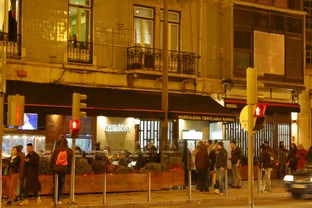
Arrive before the crowds at the famous Antiga Confeitaria de Belém to devour crisp, cinnamon-dusted custard tarts hot from the oven. Lisboetas make the most of warm nights by dining alfresco on fresh fish in the Alfama's lantern-lit lanes and world flavors on pavement terraces in the buzzy Bairro Alto. The ornately tiled monastery-turned-beer hall Cervejaria da Trindade pairs cold beers with local specialties like bacalhau com natas (cod with cream). Go north of the city center to the stylish Michelin-starred restaurant Eleven.