Alberto Cervantes
London Travel Guide
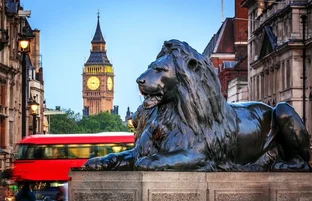
London is inexhaustible. There are so many things to do, you could tour it for months and barely get to know it. Few cities support such a variety of people living in remarkable harmony. That diversity makes London like a cut diamond; approach it from a different angle each day, and it presents an entirely fresh shape and color, always more things to see. From famous stories to iconic attractions to to high style, London is many things in every moment.
Whether you realize it or not, London shaped your destiny. There’s hardly a quarter of the globe that it hasn’t changed. The United States was founded in reaction to London’s edicts. Australia was peopled with London’s criminals. Modern Canada, South Africa, and New Zealand were cultivated from London. India’s course was irrevocably changed by the aspirations of London businessmen, as were the lives of millions of Africans who were shipped around the world while Londoners lined their pockets with profits. Even the fact that you're reading this in English—though it was written somewhere other than in England—is evidence of London’s reach across time and distance. And its dominion continues to this day: London is the world’s most popular destination for foreign tourists.
Things to Do
The old always sits alongside the new here — nowhere more so than at Wren's great baroque dome of St. Paul's Cathedral, framed by 21st-century skyscrapers — and London is rightly famed for its museums and galleries. Prized collections, ancient and contemporary — from Bloomsbury's British Museum to the South Bank's Tate Modern — share top billing with small spaces such as the Sir John Soane's Museum that could only exist in this city. Ride the London Eye observation wheel to get to grips with the city's layout.
Shopping
The variety of shopping districts can be bewildering, even for a regular visitor. Knightsbridge and Chelsea have the chi-chi boutiques, Mayfair the finest men's tailors, and the latest in street-style springs up from Shoreditch and the East End. This is a city with something for every taste or budget, and best buys remain collectibles, vintage fashions, and accessories. Street markets as diverse as Columbia Road (flowers and niche design) and Portobello (antiques, secondhand goods, and fashions) are experiencing a mini-renaissance.
Eating & Drinking
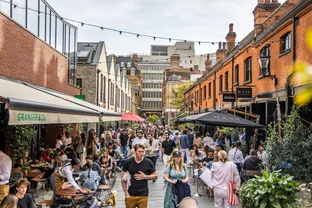
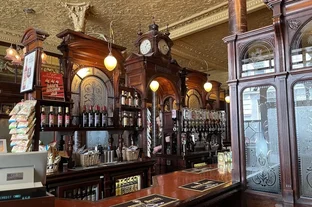
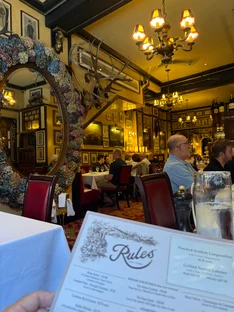
Whatever your favorite flavor, you'll find it somewhere in this global culinary city. As London's center of gravity moves east, so does the dining scene. British classics Rules and J. Sheekey are as good as ever, while celebrity chefs reinvigorate forgotten neighborhoods. Areas with lower rents continue to attract skillful chefs to gastropubs, cool cafes, and a new breed of tapas bar.
Nightlife & Entertainment
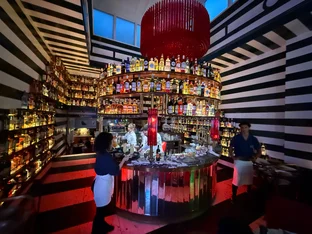
When darkness falls, the historic monuments and grand museums fade into the inky night, and a whole new London comes to life. The West End's bright lights draw the crowds with long-running mega-musicals and big-name dramas. Less well known is London's growing taste for the offbeat, from cabaret and Charleston revival parties to dubstep, burlesque, and even underground bingo. Soho is still buzzing — and the streets of Shoreditch, Hoxton, and Dalston are jumping well into the small hours.