V_E / Shutterstock
Sitges Travel Guide
40km (25 miles) S of Barcelona, 596km (370 miles) E of Madrid
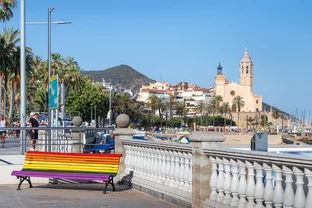
Sitges is one of the most popular vacation resorts in southern Europe. Long a beach escape for Barcelonians, it became a resort town in the late 19th century as artists, authors, and industrialists transformed fishermen’s houses into summer villas. The Modernisme movement took hold in Sitges by the late 1870s, thanks in part to resident artist, playwright, and bohemian mystic Santiago Rusiñol. The 19th-century modernismo (aka modernisme) movement began largely here, and the town remained the scene of artistic encounters and demonstrations long after the movement waned, attracting such giants as Salvador Dalí and poet Federico García Lorca. The bohemian exuberance and intellectual and artistic ferment came to an abrupt halt with the Spanish Civil War (1936-39). Although other artists and writers arrived in the decades after World War II, none had the fame or the impact of those who had gone before.
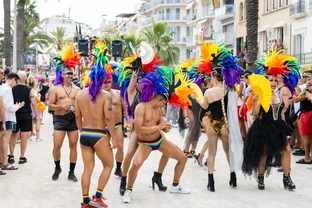
A year-round destination, Sitges becomes especially crowded in summer with affluent young Northern Europeans, many of them gay, and it has a lively gay nightlife scene. Sitges is also famous for its raucous celebration of Carnestoltes, or Carnival, in the days leading up to Lent.