Travelview / Shutterstock
Valencia, Spain Travel Guide
351km (218 miles) SE of Madrid, 361km (224 miles) SW of Barcelona, 650km (404 miles) NE of Málaga
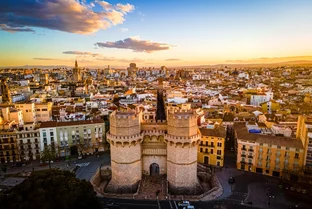
Geography is destiny in Valencia. As the easternmost sheltered harbor on the central Iberian coast, during the Moorish occupation it became a stepping-stone between North Africa and central Spain. In fact, the city changed hands with staggering frequency. El Cid prevailed against the Moors here—but they recaptured the strategic port by driving his successors back into the hills. Jaume I took back Valencia for Aragón in 1238. The port remains the city’s lifeblood, but industry is now out of sight and out of mind.
Floods engulfed Valencia in 1957; to prevent another disaster, the Rio Túria, which had encircled the city, was moved underground. The effort protected the central city from flood ravages in 2024.
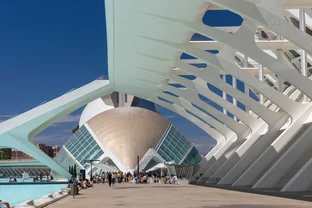
The conversion was the first step in reimagining the city. The dry riverbed was transformed into a 10km (6 and 1/4-mile) linear park, where the City of Arts and Sciences was ultimately erected on the southeastern corner. Its futuristic architecture by native son Santiago Calatrava and Spanish-Mexican architect Félix Candela rivals Frank Gehry’s Guggenheim Bilbao. Emblematic of the new city, these soaring modern masterpieces have sparked a renaissance of Valencia.
Today, Valencia is a lyrical metropolis with world-class architecture and (according to at least two popes) the Holy Grail. Go for the white sand beaches, the blue water, and the green parkland that girdles the old city.
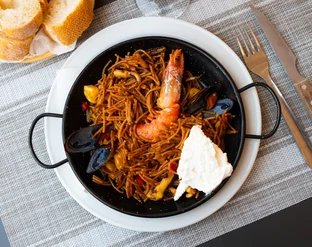
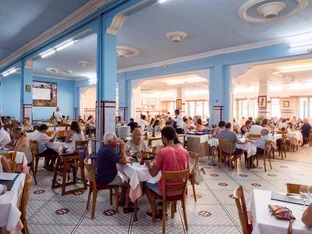
And do bring your appetite. Valencians combined Moorish rice with vegetables and legumes, shellfish from the coast, and rabbits and snails from their gardens to give the world paella. Eat the dish here and you’ll never settle for the imitations served anywhere else.