Convento de los Padres Carmelitas Descalzos

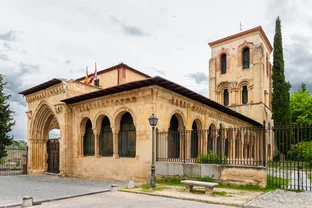
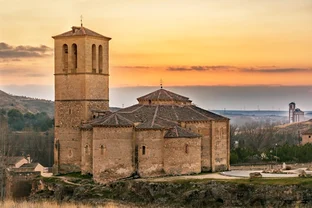
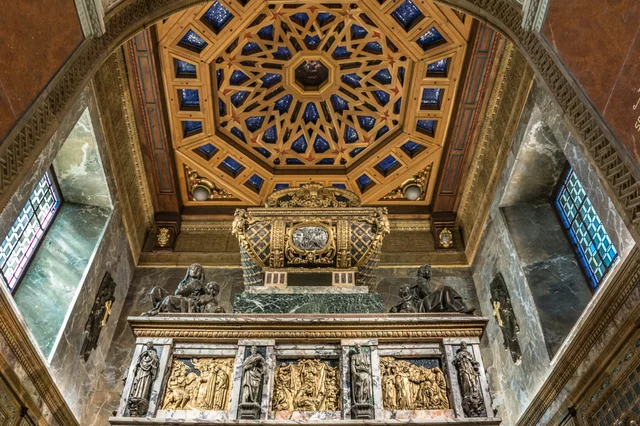
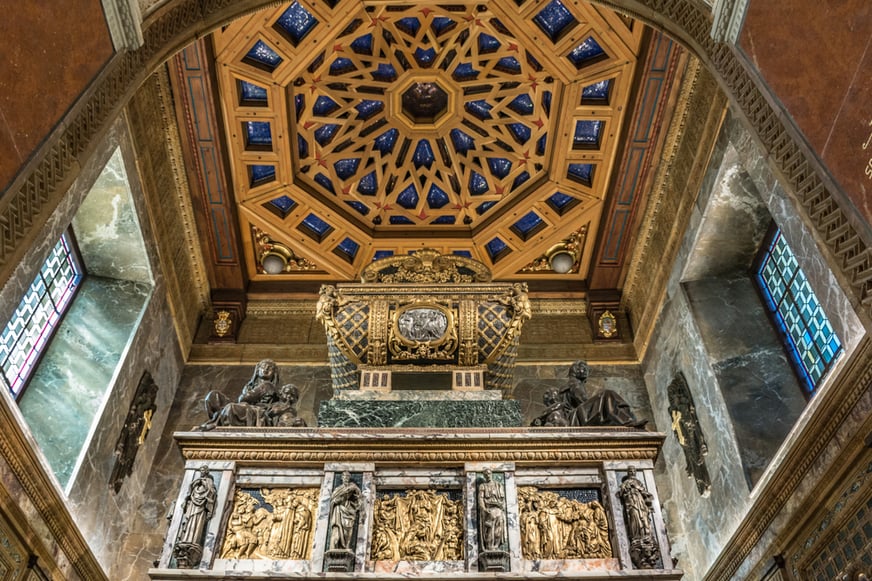
The 16th-century mystic and theologian San Juan de la Cruz founded and personally helped build this monastery in 1586. Upon his death in 1591, his body was returned here for burial, where it still rests in the left side chapel of the convent’s church (pictured above). Saint John of the Cross was the confessor of Santa Teresa of Avila, one of the most significant theologians of the Counter-Reformation. His teachings found new audiences among reform-minded Catholics in the late 20th century, and clergy in Segovia speak of him as if he was merely away for the weekend. His central axiom was that a person must empty his or her soul of “self” in order to be filled with God—a mystical tenet akin to Zen Buddhism.
The 16th-century mystic and theologian San Juan de la Cruz founded and personally helped build this monastery in 1586. Upon his death in 1591, his body was returned here for burial, where it still rests in the left side chapel of the convent’s church (pictured above). Saint John of the Cross was the confessor of Santa Teresa of Avila, one of the most significant theologians of the Counter-Reformation. His teachings found new audiences among reform-minded Catholics in the late 20th century, and clergy in Segovia speak of him as if he was merely away for the weekend. His central axiom was that a person must empty his or her soul of “self” in order to be filled with God—a mystical tenet akin to Zen Buddhism.
Details
Bookstore
Available as paperback
and as e-book.