| Home > Destinations > North America > USA > New York State > New York City > Getting to Know > Neighborhoods in Brief > Midtown |
|
|
||||||
![]() |
||||||
FREE Newsletters! |
Win a FREE Trip! |
|||||
|
|
||||||
Neighborhoods in Brief
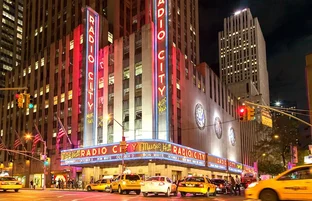
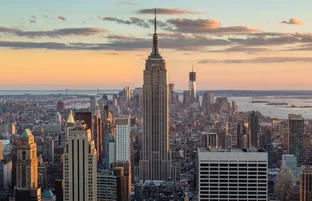
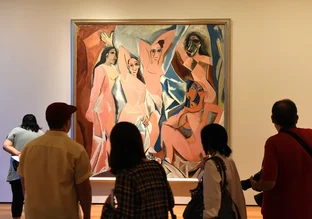
Chelsea & the Meat-Packing District Chelsea has come on strong in recent years as a hip address, especially for the gay community. A low-rise composite of town houses, tenements, lofts, and factories, the neighborhood comprises roughly the area west of Sixth Avenue from 14th to 30th streets. (Sixth Ave. itself below 23rd St. is actually considered part of the Flatiron District.) Its main arteries are Seventh and Eighth avenues, and it's primarily served by the C or E and 1 subway lines. The Chelsea Piers sports complex to the far west and a host of shops (both unique boutiques and big names such as Williams-Sonoma), well-priced bistros, and thriving bars along the main drags have contributed to the area's rebirth. Even the Hotel Chelsea -- the neighborhood's most famous architectural and literary landmark, where Thomas Wolfe and Arthur Miller wrote, Bob Dylan composed "Sad-Eyed Lady of the Low Land," Viva and Edie Sedgwick of Andy Warhol fame lived, and Sid Vicious killed Nancy Spungeon -- has undergone a renovation. One of the most influential trends in Chelsea has been the establishment of far West Chelsea (from Ninth Ave. west) and the adjacent Meat-Packing District (south of West Chelsea, roughly from 17th St. to Little W. 12th St.) as the style-setting neighborhoods for the 21st century. What SoHo was in the 1960s, this industrial west world (dubbed "the Lower West Side" by New York magazine) is today. New restaurants, cutting-edge shopping, and superhot restaurants pop up daily in the Meat-Packing District, while the area from West 22nd to West 29th streets between Tenth and Eleventh avenues is home to numerous dance clubs and the cutting edge of today's New York art scene. The power of art can also be found at the Joyce Theater, New York's principal modern dance venue. This area is still in transition, however, and not for everyone. With galleries and bars in converted warehouses and former meat lockers, browsing can be frustrating, and the sometimes-desolate streets a tad intimidating. Your best bet is to have a specific destination (and an exact address) in mind, be it a restaurant, gallery, boutique, or nightclub, before you come. The Flatiron District, Union Square & Gramercy Park These adjoining and at places overlapping neighborhoods are some of the city's most appealing. Their streets have been rediscovered by New Yorkers and visitors alike, largely thanks to the boom-to-bust dotcom revolution of the late 1990s; the Flatiron District served as its geographical heart and earned the nickname "Silicon Alley" in the process. These neighborhoods boast great shopping and dining opportunities and a central-to-everything location that's hard to beat. A number of impressive new hotels have been added to the mix over the last few years. The commercial spaces are often large, loft-like expanses with witty designs and graceful columns. The Flatiron District lies south of 23rd Street to 14th Street, between Broadway and Sixth Avenue, and centers around the historic Flatiron Building on 23rd (so named for its triangular shape) and Park Avenue South, which has become a sophisticated new Restaurant Row. Below 23rd Street along Sixth Avenue (once known as the Ladies' Mile shopping district), mass-market discounters such as Filene's Basement, Bed Bath & Beyond, and others have moved in. The shopping gets classier on Fifth Avenue, where you'll find a mix of national names and hip boutiques. Lined with Oriental-carpet dealers and high-end fixture stores, Broadway is becoming the city's home-furnishings alley; its crowning jewel is the justifiably famous ABC Carpet & Home, with eight floors of gorgeous textiles, housewares, and gifts on one side of Broadway, and an equally dazzling display of floor coverings on the other. Union Square is the hub of the entire area; the N, Q, R, 4, 5, 6, and L trains stop here, making it easy to reach from most other city neighborhoods. Long in the shadows of the more bustling (Times and Herald) and high-toned (Washington) city squares, Union Square has experienced a major renaissance. Local businesses joined forces with the city to rid the park of drug dealers a few years back, and now it's a delightful place to spend an afternoon. Union Square is best known as the setting for New York's premier greenmarket every Monday, Wednesday, Friday, and Saturday from 8am to 6pm. In-line skaters take over the market space in the after-work hours. A number of hip restaurants rim the square, as do superstores such as the city's best Barnes & Noble superstore and a Virgin Megastore. From about 16th to 23rd streets, east from Park Avenue South to about Second Avenue, is the leafy, largely residential district known as Gramercy Park. The pity of the Gramercy Park district is that so few can enjoy the park: Built by Samuel Ruggles in the 1830s to attract buyers to the area, it is the only private park in the city and is locked to all but those who live on its perimeter (the rule is that your windows have to overlook the park in order for you to have a key). At the southern endpoint of Lexington Avenue (at 21st St.), it is one of the most peaceful spots in the city. If you know someone who has a magic key, go there. At the northern edge of the area, fronting the Flatiron Building on 23rd Street and Fifth Avenue, is another of Manhattan's lovely little parks, Madison Square. Across from its northeastern corner once stood Stanford White's original Madison Square Garden (in whose roof garden White was murdered in 1906 by possibly deranged, but definitely jealous, millionaire Harry K. Thaw). It's now majestically presided over by the massive New York Life Insurance Building, the masterful New York State Supreme Court, and the Metropolitan Life Insurance Company, whose tower in 1909 was the tallest building in the world at 700 feet. Times Square & Midtown West Midtown West, the vast area from 34th to 59th streets west of Fifth Avenue to the Hudson River, encompasses several famous names: Madison Square Garden, the Garment District, Rockefeller Center, the Theater District, and Times Square. This is New York's tourism central, where you'll find the bright lights and bustle that draw people from all over. As such, this is the city's biggest hotel neighborhood, with options running the gamut from cheap to chic. The 1, 2, 3 subway line serves the massive neon-lit station at the heart of Times Square, at 42nd Street between Broadway and Seventh Avenue, while the F, V, B, D line runs up Sixth Avenue to Rockefeller Center. The N, R line cuts diagonally across the neighborhood, following the path of Broadway before heading up Seventh Avenue at 42nd Street. The A, C, E line serves the West Side, running along Eighth Avenue. If you know New York but haven't been here in a few years, you'll be quite surprised by the "new" Times Square. Longtime New Yorkers like to kvetch nostalgic about the glory days of the old peep-show-and-porn-shop Times Square that this cleaned-up, Disneyfied version supplanted. And there really is not much here to offer the native New Yorker. The revival, however, has been nothing short of an outstanding success for tourism. Grand old theaters have come back to life as Broadway and children's playhouses, and scores of new family-friendly restaurants and shops have opened. Plenty of businesses have moved in -- MTV studios overlook Times Square at 1515 Broadway, and Good Morning America has its own street-facing studio at Broadway and 44th Street. The neon lights have never been brighter, and Middle America has never been more welcome. Expect dense crowds, though; it's often tough to make your way along the sidewalks. Most of the great Broadway theaters light up the streets off Times Square, in the West 40s just east and west of Broadway. At the heart of the Theater District, where Broadway meets Seventh Avenue, is the TKTS booth, where crowds line up daily to buy discount tickets for that day's shows. To the west of the Theater District, in the 40s and 50s between Eighth and Tenth avenues, is Hell's Kitchen, an area that is much nicer than its ghoulish name and one of my favorites in the city. The neighborhood resisted gentrification until the mid-1990s but has grown into a charming, less touristy adjunct to the neighboring Theater District. Ninth Avenue, in particular, has blossomed into one of the city's finest dining avenues; just stroll along and you'll have a world of dining to choose from, ranging from American diner to sexy Mediterranean to traditional Thai. Stylish boutiques and bars have also popped up in this area in the last several years. Realtors have tried to rename the area Clinton, but locals have held fast to the Hell's Kitchen moniker with delight. In the last couple of years, it's become one of Manhattan's more popular gay neighborhoods, as rents in first the West Village, then Chelsea, have caused a northward migration. Unlike Times Square, gorgeous Rockefeller Center has needed no renovation. Situated between 46th and 50th streets from Sixth Avenue east to Fifth, this Art Deco complex contains some of the city's great architectural gems, which house hundreds of offices, a number of NBC studios (including Saturday Night Live, Late Night with Conan O'Brien, and the famous glass-walled Today show studio at 48th St.), and some pleasing upscale boutiques (attention, shoppers: Saks Fifth Avenue is just on the other side of Fifth). If you can negotiate the crowds, holiday time is a great time to be here, as ice-skaters take over the central plaza and the huge Christmas tree twinkles against the night sky. Along Seventh Avenue south of 42nd Street is the Garment District, of little interest to tourists except for its sample sales, where some great new fashions are sold off cheap to serious bargain-hunters willing to scour the racks. That part of town plays host to many small theater companies if you're venturing into the Off-Off-Broadway scene. Other than that, it's a pretty commercial area. Between Seventh and Eighth avenues and 31st and 33rd streets, Penn Station sits beneath unsightly behemoth Madison Square Garden, where the Rangers, Liberty, and the Knicks play. Taking up all of 34th Street between Sixth and Seventh avenues is Macy's, the world's largest department store; exit Macy's at the southeast corner and you'll find more famous-label shopping around Herald Square. The blocks around 32nd Street just west of Fifth Avenue have developed into a thriving Koreatown, with midprice hotels and bright, bustling Asian restaurants offering some of the best-value stays and eats in Midtown. Midtown West is also home to some of the city's most revered museums and cultural institutions, including Carnegie Hall, the Museum of Modern Art, and Radio City Music Hall, to name just a few. Midtown East & Murray Hill Midtown East, the area including Fifth Avenue and everything east from 34th to 59th streets, is the more upscale side of the Midtown map. This side of town is short of subway trains, served primarily by the Lexington Avenue 4, 5, 6 line. Midtown East is where you'll find the city's finest collection of grand hotels, mostly along Lexington Avenue and near the park at the top of Fifth. The stretch of Fifth Avenue from Saks at 49th Street extending to the 24-hour Apple Store and F.A.O. Schwarz at 59th St. is home to the city's most high-profile haute shopping, including Tiffany & Co. and Bergdorf Goodman, but more mid-price names such as Banana Republic and Liz Claiborne have moved their stores in over the last few years. The stretch of 57th Street between Fifth and Lexington avenues is also known for high-fashion boutiques (Chanel, Hermès) and high-ticket galleries, but change is underway since names such as Levi's and Niketown squeezed in. You'll find plenty of spillover along Madison Avenue, a great strip for shoe shopping in particular. Magnificent architectural highlights include the recently repolished Chrysler Building, with its stylized gargoyles glaring down on passersby; the Beaux Arts tour de force that is Grand Central Terminal; St. Patrick's Cathedral; and the glorious Empire State Building. Far east, swank Sutton and Beekman places are enclaves of beautiful town houses, luxury living, and pocket parks that look out over the East River. Along this river is the United Nations, which isn't officially in New York City, or even the United States, but on a parcel of international land belonging to member nations. Claiming the territory east from Madison Avenue, Murray Hill begins somewhere north of 23rd Street (the line between it and Gramercy Park is fuzzy), and is most clearly recognizable north of 30th Street to 42nd Street. This brownstone-lined quarter is largely a quiet residential neighborhood, most notable for its handful of good budget and mid-price hotels. The stretch of Lexington Avenue in the high 20s is known as Curry Hill and has usurped the East Village's Little India as the destination for inexpensive, high-quality Indian and Pakistani food.
Click the names below for more detailed information. Note: This information was accurate when it was published, but can change without notice. Please be sure to confirm all rates and details directly with the companies in question before planning your trip.
|
|||||||||||||||||||||||||||||||||||||||||||||||||||||||||||||||||||||||||||||||||||||||||||||||||||||||||||||||||||||||||||||||||||||||||||||||||||||||||||||||||||||||||||||||||||||||||||||||||||||||||||||||||||||||||||||||||||||||||||||||||||||||||||||||||||||||||
| Home | Destinations | Hotels | Trip Ideas | Deals & News | Book a Trip | Tips & Tools | Travel Talk | Bookstore | ||||||||||||||||||||||||
| About Frommer's | FAQ | Contact Us | Help | Site Map | Privacy Policy | Advertise With Us | ||||||||||||||||||||||||
|
||||||||||||||||||||||||
| © 2000-2008 by Wiley Publishing, Inc. All rights reserved. | ||||||||||||||||||||||||
| Home > Destinations > North America > USA > New York State > New York City > Getting to Know > Neighborhoods in Brief > Midtown |