Marcel Hamonic / Shutterstock
Shelburne Travel Guide
Shelburne’s 10-block heritage district along the waterfront is one of the most undervalued, under-promoted, and under-visited neighborhoods in the Maritimes. A shame, since the town’s history has been a fascinating microcosm of world events since its founding in 1783 by United Empire Loyalists and Black Loyalists (both seeking refuge after the American Revolution in what was then a British colony). At one point, the population swelled to 10,000, making it the fourth-largest settlement in North America at the time, larger than the Montréal, Halifax, or Québec of the time. Freed slaves and others of African descent stopped here in hopes of a better life but promises of land and work were not fulfilled. Instead, the little settlement of Birchtown became the departure point for those headed back to Africa, where they created the state of Sierra Leone. Made famous in Lawrence Hill’s novel The Book of Negroes (the movie of the same name shot here), Birchtown is the missing link in the great saga of African slavery. The multi-million-dollar Black Loyalist Heritage Centre tells the tale in compelling fashion.
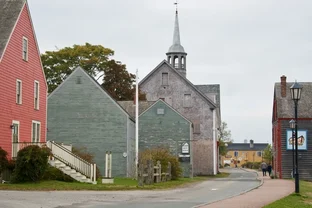
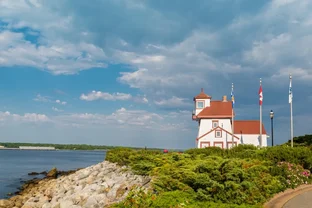
Proof that Shelburne thrived in the great age of sail can be found in the many buildings and dozens of brightly colored, carefully kept 19th century captain and merchant homes lining the streets. The several museums on the waterfront (see below) interpret this epic history. The sailing heritage lives on here in the local and private Shelburne Harbour Yacht Club and Sailing Academy that fills the large harbor with sails, jibs, and races all summer long. But the fishing industry is a shadow of its former glory. Lobster is the only remaining catch of any value. Shelburne County fishermen land more of the sweet crustacean than anywhere in the world, though you will also find fresh local fish in the restaurants here.
Starting in the 1990s, Hollywood location scouts realized they could take advantage of the historic district and the wooded shore across the harbor to stand in for pre-industrial America. Films like Moby Dick, The Scarlet Letter, Mary Silliman’s War, and most recently The Book of Negroes were filmed here. The movie industry left behind a few permanent buildings and a streetscape now uncluttered by electrical wires.