| Home > Destinations > Europe > Spain > Barcelona > In Depth > Food & Drink |
|
|
||||||
![]() |
||||||
FREE Newsletters! |
Win: iPod touch! |
|||||
|
|
||||||
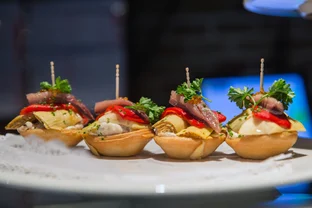
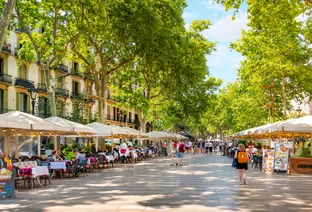
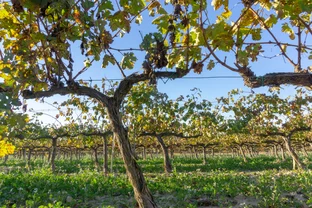
Food & DrinkMeals are an extremely important social activity in Catalonia; eating out remains a major pastime, whether in the evening with friends, at lunch in a local bar with workmates, or with the traditional Sunday family feast. Although Barcelona is a fast-paced city, mealtimes, especially lunchtime, are still respected, with the whole city shifting into first gear between the hours of 2 and 4pm. Many people either head home or crowd into a local eatery for a three-course menú del día (lunch of the day). The food in Catalonia is quite different from that of the rest of the Spain. In Barcelona, the mainstay diet is typically Mediterranean, with an abundance of fish, legumes, and vegetables, the latter often served simply boiled with a drizzle of olive oil. Pork, in all its forms, is widely eaten whether as grilled filets, the famous Serrano ham, or delicious embutidos (cold cuts) from inland Catalonia. In more contemporary restaurants, portions tend to be smaller than in the U.S. Another local characteristic is the lack of tapas bars. Very good ones do exist but not in the same abundance as in the rest of Spain. Instead, Catalans tend to go for raciones (plates of cheese, pâtés, and cured meats) if they want something to pick at. Many restaurants in Spain close on Sunday and Monday, so check ahead of time before heading out. Hotel dining rooms are generally open 7 days a week, and there's always something open in the touristy areas. If you really want to get a true taste of Catalan cuisine, stay away from places in Les Ramblas, ask your hotel concierge for recommendations, or check chapter 6 of this book. Dining in Barcelona can range from memorable to miserable (or memorable for all the wrong reasons!), so it pays to do a bit of research. If possible, always book ahead for reputable restaurants, especially on the weekends. Meals Breakfast -- In Catalonia, as in the rest of Spain, the day starts with a light continental breakfast, usually in a bar. Most Spaniards have coffee, usually strong, served with hot milk -- either a café con leche (half coffee, half milk) or a cortado (a shot of espresso "cut" with a dash of milk). If you find these too strong or bitter for your taste, you might ask for a more diluted café americano. Properly made tea is hard to find, but herbal infusions such as poleo menta (mint) or manzanilla (chamomile) are common. Along with these, most people just have a croissant (cruasan), doughnut, or ensaimada (a light, sugar-sprinkled pastry). If you want something more substantial, you can always ask for a bocadillo (roll) with cheese or grilled meat or cold cuts, or ask to see the list of platos combinados (combination plates). These consist of a fried egg, french fries, bacon, and a steak or a hamburger. A bikini is an old-fashioned, toasted ham-and-cheese sandwich. Lunch -- The most important meal of the day everywhere in Spain, lunch is comparable to the farm-style midday "dinner" in the United States. It usually includes three or four courses, although some smarter eateries in the Old Town now offer just one course with dessert for lighter eaters. It begins with a choice of soup, salad, or vegetables. Then comes the meat, chicken, or fish dish, simply grilled or in a rich stew or casserole. At some point, meat eaters should definitely try botifarras, the locally made sausages. Desserts are (thankfully) light: fruit, yogurt, or a crema catalana (crème brûlée). Wine and bread are always part of the meal. Lunch is served from 1:30 to 4pm, with "rush hour" at 2pm. Dinner -- Depending on what you have consumed at lunchtime, at dinner you choose either another extravaganza or a light meal. Naturally, if you had a heavy or late lunch, you may want to simply go for a tapa or two or a few raciones in a wine bar. Dinner is the perfect time to try the quintessential Catalan snack, pa amb tomàquet (rustic bread rubbed with olive oil and tomato pulp and served with cheese, pâté, or cold cuts). This simple yet ingenious invention goes down extremely well with a bottle of wine. If you choose to have dinner in a restaurant, expect a slightly finer version of what you had at lunch but with a larger bill, as the set-menu deal is a lunchtime-only thing. The chic dining hour is 10 or 10:30pm. (In well-touristed regions and hardworking Catalonia, you can usually dine at 8pm, but you still may find yourself alone in the restaurant.) In most middle-class establishments, people dine around 9:30pm. The Cuisine Soups & Appetizers -- Soups are thick and hearty. They are divided into two categories: sopa (thick soup) and potage (a very thick, meal-in-itself soup). A crema is a cream soup, such as crema de aspárrago. A classic soup that, according to the folk singer-songwriter Lluís Llach, "reflects all the wisdom of Catalan people" is the escudella i carn d'olla (a meat-and-vegetable hot pot similar to the French pot au feu). Traditionally a fisherman's breakfast, a suquet is a hearty fish-and-potato soup. Chilled gazpacho is particularly refreshing during the hot months. Eggs -- These are served in countless ways. A Spanish omelet, a tortilla española, is made with potatoes and usually onions. Local Catalan varieties include tortillas with white beans, asparagus, and garlic shoots, often served at the bar with some pa amb tomàquet. A simple omelet is called a tortilla francesa. Fish -- As in the rest of the Peninsula, the Catalans are avid fish eaters. The consumption of fish, and particularly shellfish, holds an almost cultlike status; it is eaten at all major celebrations. Although an enormous amount is imported, there are 35 fishing ports along the Catalan coastline. Some local varieties include dorada (a type of bream), mero (grouper), and salmonette (red mullet). Sardines (when in season) are cheap and delicious when pan-grilled with a bit of garlic and parsley. Prawns are often served in the same way (watch for prawns from Denia, which are supposedly the best), and mussels come either steamed or in a marinara sauce. Squid, octopus, and sepia (cuttlefish) feature heavily, from calamari a la romana (deep-fried squid) to chipirones (bite-size baby octopus, also fried) to squid cooked in its own ink. Although not native, salted cod (bacallà) is particularly revered by the Catalans and before you dismiss it as a poor man's fish, try the delicious bacallà a la llauna (baked) or brandada de bacallà (a creamy purée eaten with bread). Cod is a good choice in cheaper restaurants, where the fish on your menú del día may be frozen or of inferior quality. Premium fish and seafood in Catalonia does not come cheap, but that does not stop it being eaten in huge quantities. Paella -- The most internationally known Spanish dish is paella. Flavored with saffron, paella is an aromatic rice dish usually topped with shellfish and/or chicken, sausage, peppers, and local spices. Although it is widely available in Catalonia, it actually hails from Valencia. Similarly, you might like to try a fideuà (a local dish that replaces the rice with fine, angel-hair noodles) or an arroz negre (rice cooked in black squid ink). A true Catalan paella is made with rabbit and botifarra, a rich sausage. (Incidentally, what is known in the U.S. as Spanish rice isn't Spanish at all. If you ask an English-speaking waiter for Spanish rice, you'll be served paella.) Meats -- Don't expect a steak of American proportions, but do try the spit-roasted suckling pig, so sweet and tender it can often be cut with a fork. The veal is also good, and the lomo de cerdo (loin of pork) is unmatched anywhere. Chicken is tender and tasty, whether a simply grilled chicken breast or spit-roasted until it turns a delectable golden brown. Catalan dishes tend to mix meat in unexpected combinations such as with seafood, fruit, or snails. Vegetables & Salads -- Through more sophisticated agricultural methods and huge expanses of agrarian landscape, Spain now grows more (and, many would argue, tastier) fruit and vegetables than any other European region does. On their own, they are often served simply: boiled with a drizzle of olive oil. Main dishes often don't come with vegetables, except as a simple garnish on the side. You may want to consider ordering a vegetable entree to get in your vitamin quota. A popular one is escalivada (strips of chargrilled sweet peppers and eggplant served cold). In traditional restaurants, salads are normally a basic combination of lettuce, tomato, onions, and olives. An ensalada catalana adds local cold cuts. Vegetarians and vegans should always check that no meat is included in what appears to be a vegetable dish or salad on the menu. Legumes -- The Catalans are big on legumes; chickpeas, lentils, white and black-eyed beans regularly pop up in all sorts of delicious ways. Chickpeas are often served with baby squid; lentils with ham, chorizo, and blood sausage; habas a la catalana mixed broad beans with Serrano ham and mint. A traditional way to eat a botifarra (sausage) is with mongetes (white beans). Desserts -- The Catalans do not emphasize dessert, which could explain why, in view of how much is eaten, most manage to keep their weight down. Many opt for fresh fruit, a macedonia (fruit salad), or even a tub of yogurt. Flan, a home-cooked egg custard, appears on all menus, as does a crema catalana or crème brûlée. If you really need a carb hit, you can usually find a cheesecake (baked, not the creamy kind), a puddin, chocolate mousse, or some other kind of traditional dessert on the menu, but in the cheaper places they tend to be of pedestrian quality. As a dining oddity -- although it's not odd at all to Spaniards -- many restaurants serve fresh orange juice for dessert. Olive Oil & Garlic -- Olive oil is used lavishly all over Spain, the largest olive-producing country on the planet. It is used in all cooked dishes and even as a butter replacement on bread. Garlic is also an integral part of the Spanish diet, but you can ask them to hold it on grilled and fried dishes. What to Drink Water -- Although it is safe to drink, many find the taste of Barcelona's tap water unpleasant. Mineral water, in bottles of .5 to 5 liters, is available everywhere. Bubbly water is agua con gas; noncarbonated is agua sin gas. Vichy Catalan, rather salty carbonated water that many people believe acts as a digestive aid, is very popular. Note that bottled water in some areas, bars, and cafes may cost as much as a beer. Soft Drinks -- Schweppes, Fanta, and, naturally, Coca-Cola are all widely available. Bitter Kas is a carbonated drink with a Campari-like flavor. Your cheapest bet is a liter bottle of gaseosa, a sort of less-sugary lemonade. In summer you should also try an horchata. Not to be confused with the Mexican beverage of the same name, the Spanish horchata is a sweet, soy milk-like beverage made of tubers called chufas. Coffee -- Coffee is drunk at breakfast and post-meal. After lunch or dinner, you may like to try a carajillo, a short coffee with a dash of brandy, cognac, rum, or Baileys. Milk -- Unfortunately, long-life milk sold in square boxes is the norm. Fresh milk can be found in larger supermarkets and granjas, bars that sell dairy products and drinks such as hot chocolate and (sometimes) milkshakes. Leche merengada is a delicious cinnamon-flavored milk that appears in the summer. Beer -- Although not native to Spain, beer (cerveza) is now drunk (and sold) everywhere. Local brands include San Miguel and Estrella. All beer tends to be lighter, more like the U.S. version than the British. A clara is a glass of beer mixed with lemon soda. A small bottle of beer is called a mediana, and a glass is a caña. Wine -- Until fairly recently, Spain was not taken particularly seriously as a winemaking region. Overshadowed by France and Italy, it was mainly associated with cheap red wine and sangria -- yet thanks to the innovative practices of a handful of winemakers, and particularly of those in Catalonia, Spanish wine is currently undergoing a renaissance, offering some of the best wines (both in terms of price and quality) in the world. The undisputed king of Catalan wines is Miguel Torres, whose family has been making wines in the Penedès wine region, just 45 minutes south of Barcelona, for over 100 years. Pioneering and enigmatic, Torres turned Catalan winemaking on its head, proving that the region was capable of excellent wines and making people sit up and pay attention. Today the Penedès, known for its undulating hills, balmy Mediterranean climate, and a varied terrain, produces soft fruity reds, refreshing whites, and -- the region's pièce de résistance -- cava (sparkling wine). Made by the same method as French champagne, most of the high-end producers will swear that cava is as good as, if not better than, champagne, a point that Dom Pierre Pérignon -- the Benedictine monk who invented champagne in the 17th century -- would no doubt have disagreed with. Regardless, in 1872 Josep Raventós Fatjó (of the bodegas Can Cordoníu) popped his first bottle of fizz and this liquid gold was soon circulating in high society, including at the royal palace. Penedès accounts for about 75% of all the cava made in Spain and there are infinite different varieties, from small "garage" bodega wines (which amount to no more than somebody producing a limited number of bottles in their garden shed) to heavyweight international brands like Freixenet and Cordoníu (which account for most of the world exports). The latter two are both in Sant Sadurni d'Anoia, the capital of cava-making, and Cordoníu is particularly interesting to visit. Housed in a spectacular modernista building that is part of the Spanish heritage trust, there are 15km (9 miles) of underground tunnels to explore while learning about the cava-making process. For serious wine lovers, Catalan winemaking regions have far more to offer than cava alone, and it can make for a fascinating tour. The Romans were the first people to make wine in Penedès, and their ancient roads still crisscross the land. Recently pre-phylloxera vines have been discovered that some experts say show the way of the future. These wines are important because they use varieties of grapes that haven't been used before in modern winemaking. The Penedès winemakers feel that, rather than building an industry on known varieties, such as chardonnay and merlot, they will conquer the market with these new and, until now, undiscovered varieties that are unique to the area. For now, innovative winemakers, such as Josep Maria Noya of Albet i Noya (Spain's first organic winery) and Miguel Torres, continue to experiment with their crops, but it probably won't be long before unheard-of varieties start hitting the shelves. Jean León -- one of the region's most modern bodegas and now owned by Torres -- was also responsible for shaking up a region that had hitherto made decent enough wines, though none that were particularly exciting. In the 1960s León returned to his beloved Spain from Hollywood in search of a vineyard where he could make wines suitable to serve at his restaurant, La Scala in Beverly Hills. It wasn't long before he and Miguel Torres became friends, sharing knowledge of the region, modern winemaking methods from the New World, and, most notably, new grape varieties. León introduced both chardonnay and cabernet sauvignon to the region. The jewel in Catalonia's winemaking crown, however, is the Priorat. Wine has been produced here for at least 1,000 years, made mainly by monasteries, and for centuries it was widely acclaimed. But after phylloxera destroyed most of the crops in Europe it never really recovered -- until recently, that is. In the early 1980s a troop of young winemakers began taking their craft seriously once again. The most notable of these was Carles Pastrana of Clos L'Obac, who set about establishing a set of D.O. (denominación de origen) standard rules and regulations. When you see the region with its impossibly rocky, vertical mountainsides and rough black soil, and couple that with the fact that many don't even water the land for fear of upsetting the delicate water-table balance, it seems impossible that anything good could ever come of it. And yet in the last 2 decades, the lush, dense reds of the Priorat have become renowned as some of the best and most exciting wines in the world. Spirits -- Vodkas, gins, rums, whiskeys, and brandies are available at any bar. If you don't recognize the label, it is probably local and, with the exception of brandies and cognacs, normally of an inferior quality. Measures here are about double those of anywhere else, which is just as well: In some bars and nightclubs you can pay as much as 12€ ($15) for a mixed drink (cubata). One of the most popular is a cuba libre (rum and Coca-Cola).
Note: This information was accurate when it was published, but can change without notice. Please be sure to confirm all rates and details directly with the companies in question before planning your trip.
|
|||||||||||||||||||||||||||||||||||||||||||||||||||||||||||||||||||||||||||||||||||||||||||||||||||||||||||||||||||||||||||||||||||||||||||||||||||||||||||||||||||||||||||||||
| Home | Destinations | Hotels | Trip Ideas | Deals & News | Book a Trip | Tips & Tools | Travel Talk | Bookstore | ||||||||||||||||||||||||
| About Frommer's | FAQ | Contact Us | Help | Site Map | Privacy Policy | Advertise With Us | ||||||||||||||||||||||||
|
||||||||||||||||||||||||
| © 2000-2008 by Wiley Publishing, Inc. All rights reserved. | ||||||||||||||||||||||||
| Home > Destinations > Europe > Spain > Barcelona > In Depth > Food & Drink |