Olha Solodenko / Shutterstock
Barcelona Travel Guide
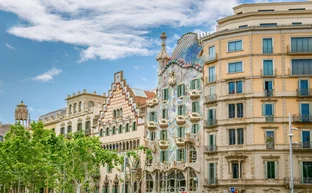
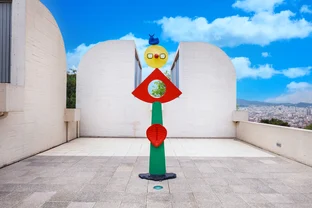
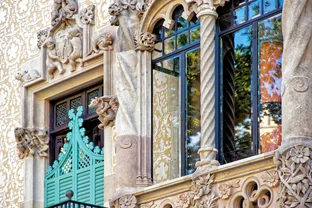
The Catalan language has a verb that must have been invented for Barcelona. “Badar” means (more or less) to walk around with your mouth wide open in astonishment. You’ll be doing a lot of that in Barcelona. The city’s artists have always had a fantastical vision—from the gargoyles along the roofline of the cathedral, to Antoni Gaudí’s armored warrior chimneys on La Pedrera, to the surreal amoeboid sculptures of Joan Miró (they’re on a roof, too).
Barcelona really is an original, with its own unique history, language, gastronomy, and overall sense of style. When Madrid was still a dusty fortress village on the Río Manzanares, Barcelona was already a force to be reckoned with on the Mediterranean. It has been at the intersection of cultures—Iberian, Roman, Visigothic, Moorish, French, and Aragonese—for 2,000 years. Today it is the capital of the autonomous region of Catalunya, forever chafing to leave the federal fold of Spain but enjoying near-country status within the European Union.
Having won back its identity from Spain, Barcelona is profoundly Catalan, yet generous about conducting business and pleasure alike in Catalan and Castilian—as well as in English. Whatever tongue its visitors speak, Barcelona knows how to impress. Whether you are floating above the city on a cable car, rambling the medieval streets of the Barri Gòtic, devouring peel-and-eat shrimp at a beachside cafe, or sipping fresh strawberry-melon juice at La Boqueria, remember to keep your eyes wide open: You never know what will amaze you next.
One caution: The latest chapter of the city’s history is the tourism that has exploded here in the 21st century, bringing prosperity but also challenges for a population that deeply values its culture and identity. Tread lightly on La Rambla and across this beautiful city. Visit in low season to avoid the summer crowds. And, although English is widely spoken, aim to learn a few words of Catalan.
Things to Do
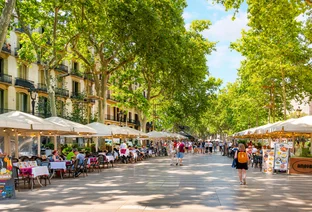
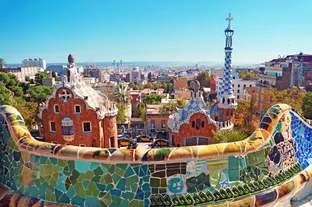
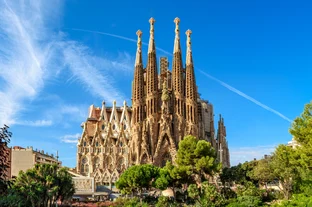
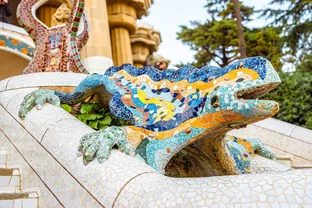
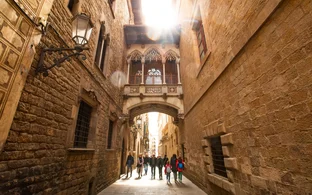
Start with a leisurely saunter down tree-lined La Rambla, dipping into the Barri Gòtic's maze-like alleyways to reach Santa Maria del Mar church. Antoni Gaudí has left his fantastical stamp on the city in the twirling spires of La Sagrada Família cathedral and sculpted greenery of Park Güell. The unmissable Picasso Museum displays Picasso's early sketches and Blue Period masterpieces. Join locals for sun on Barceloneta beach and shade in Montjuïc's gardens.
Shopping
La Boqueria Market's iron gates lead to Barcelona's best grazing — shop for Iberian ham, glossy olives and creamy goat cheese before lunch at a seafood bar. Two metro stops north, the stately Modernist Passeig de Gràcia is a catwalk to designer labels, near Avinguda Diagonal's department stores like Spanish giant El Corte Inglés. Local creatives have set up galleries and boutiques in El Born, El Raval, and Barri Gòtic, selling quirky fashion, vintage clothes and used records.
Nightlife and Entertainment
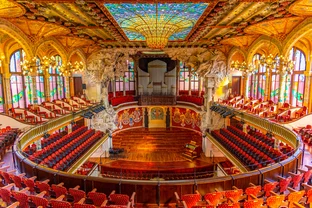
Barcelona's real party begins at midnight. Do like the Barcelonese — take an evening paseo (stroll) in the Ciutat Vella, leading to an intimate bodega in Barrí Gótic and Plaça Real's jazz clubs and tapas bars. In trendier El Born DJs spin everything from techno to tango. Summer means cocktails and people-watching on Gràcia's squares and fiestas at Vila Olímpica's beach bars. Dress up for concerts at the Palau de la Música Catalana and opera at Gran Teatre del Liceu.
Restaurants and Dining
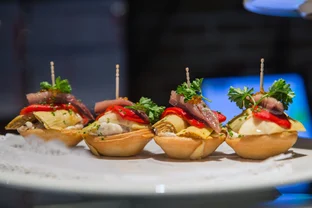
Michelin-starred chefs like Xavier Pellicer, Fermí Puig and Mey Hoffmann have firmly placed Barcelona on the gastro map. Restaurants with inspired menus and interiors cluster in elegant Eixample and El Born. The Barri Gòtic is packed with tiny tapas bars and vibrant restaurants dishing up Catalan fare like esqueixada (salted cod salad) and pan tomaquet (tomato bread). Look up the famous Los Caracoles ('the snails') specializing in exactly that. Head to Barceloneta for no-frills fish restaurants and Gràcia for a world of cuisines.