

The best European family trips tend to start with urban stays that can segue into out-of-town sojourns once children tire of museums and city touring. Fortunately, most of Europe’s major cities have a firm foundation when it comes to family appeal, with world-class museums, summertime festivals, and spacious plazas and parks perfect for picnics or blowing off steam.
Just outside of many towns at countless palaces and castles, fabulous and frequently bloody tales of royalty capture kids’ imaginations, and wherever families go, there is usually an interesting local treat to try, such as pretzels or pastries, sausages or slices of macaroni cake. These European cities have it all—both historic appeal and living vibrancy, a balanced mix of city and country—and are ideal for pleasing everyone in the family.
Pictured above: Český Krumlov, Czech Republic
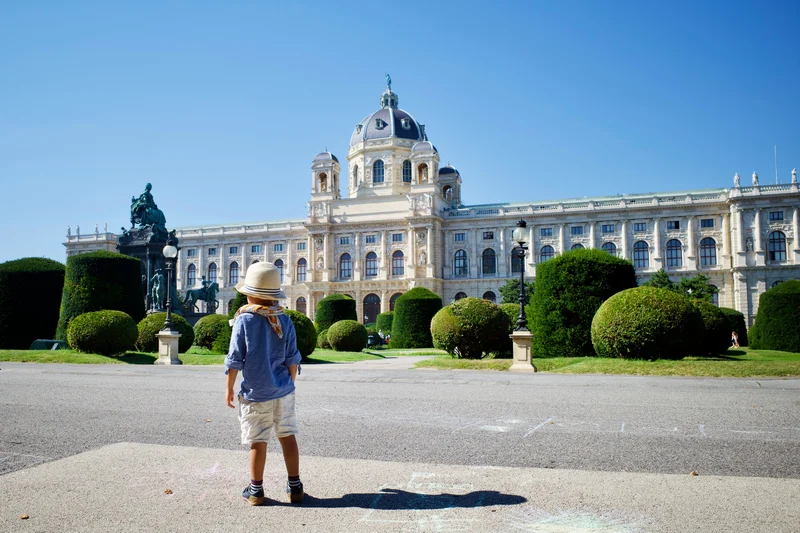
Vienna and Donau-Auen National Park, Austria
It’s easy for families to love Vienna, a city where the cakes and pastries are as world-renowned as the palaces, art, and music. Start with the city’s multiple royal residences, where lavish rooms are filled with treasures that interest children.
At the Hofburg Imperial Palace, see bejeweled crowns, suits of armor, and the Lipizzaners, the Spanish Riding School’s prancing horses. The Schönbrunn Palace, on the other hand, includes such unexpected attractions as a children’s museum, a marionette theater, and a garden maze.
Gustav Klimt’s works are the gems in the Belvedere Palace, an 18th-century building where little ones can romp among the garden’s cascading fountains. The MuseumsQuartier (i.e., museum district) draws locals and visitors alike for more art as well as the Zoom children's museum and a pedestrian plaza with free music concerts, spacious benches, and mini golf course with sculptures.
The Prater, a public park, recalls an old-fashioned leisure ground with amusement rides. You and your family can also bike the Vienna Woods, splash in the water playground at Donauinsel (Danube Island), and take a guided canoe tour of Donau-Auen National Park, one of Europe’s largest undeveloped wetlands. The park is accessible from Orth, 35 miles southeast of Vienna.
 (Credit: Czech Tourism)
Český Krumlov and Šumava National Park, Czech Republic
The restored medieval town of Český Krumlov, 106 miles south of Prague, is a UNESCO World Heritage site. Tucked into a bend of the Vltava River, the picturesque town is often crowded with day visitors in summer. By overnighting there, though, you and your family can stroll quieter cobblestone streets by moonlight, grab a morning table in a main square café, and be among the day’s first visitors to the 300-room hilltop castle that dates to 1302. Highlights include the marble chapel, the Baroque theater, and the sweeping views from the tower.
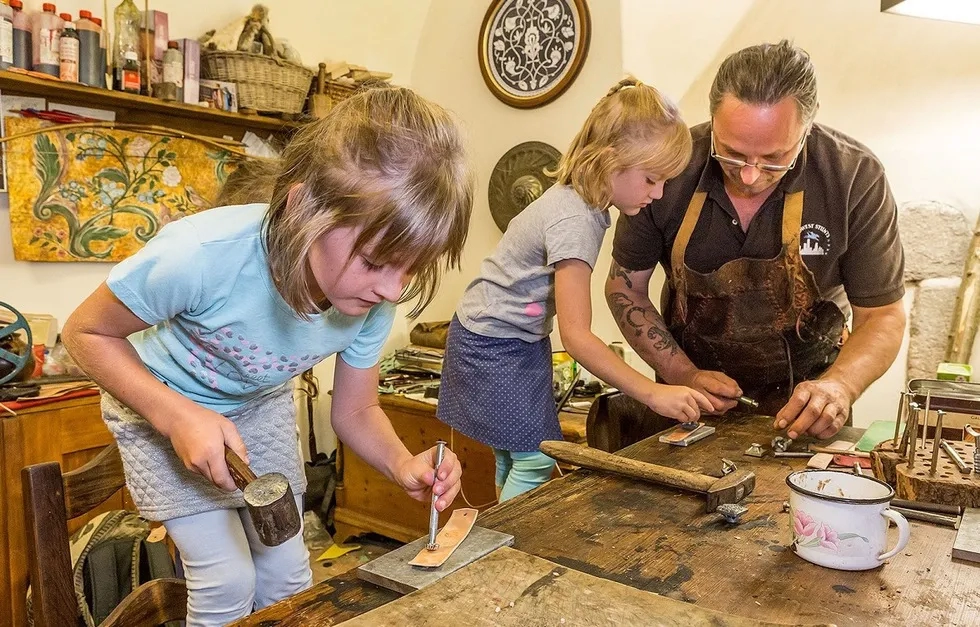
On a tour of the region's 14th-century monasteries, youngsters learn to write with a quill and other medieval skills (pictured above). In Šumava National Park, 31 miles northwest of Český Krumlov, easy hiking trails wind through thick forests of centuries-old trees past lakes and waterfalls.
 (Credit: Simon Paulin/Image Bank Sweden)
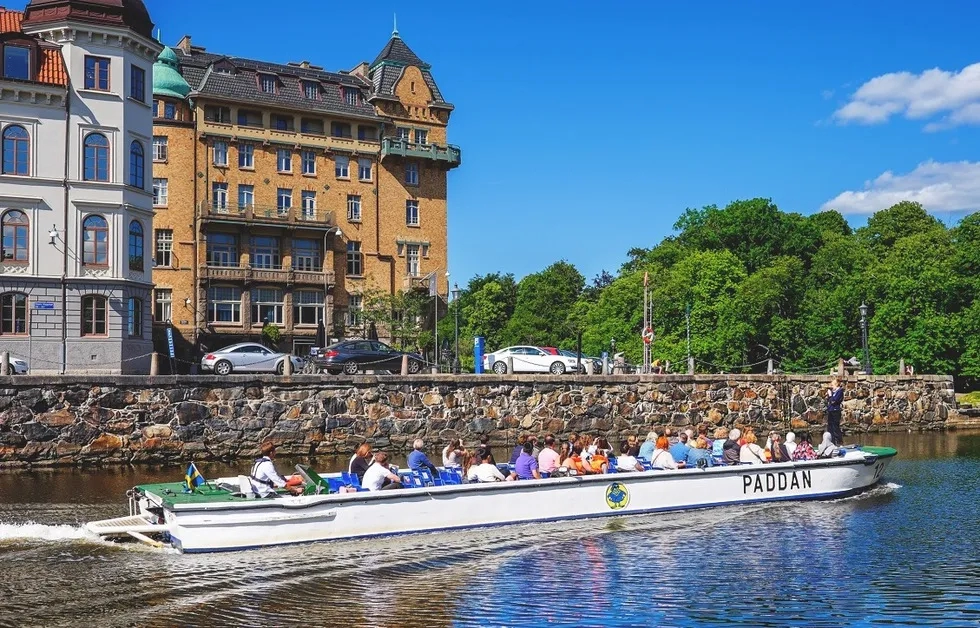
Gothenburg and Marstrand, Sweden
Less costly than Stockholm, the Swedish city of Gothenburg still has first-rate museums, expansive gardens, an amusement park, and easy access to the islands of the Bohuslän Coast. Gothenburg’s Konstmuseum is top-notch, with a collection including works by Edvard Munch, Carl Larsson, and other Nordic artists.
At the Universeum, Scandinavia’s largest science center, you and your children can view North Sea creatures, walk through a rainforest, and experiment in the chemistry lab. Highlights at the Naturhistoriska Museum include an enormous mounted blue whale.
In Slottsskogen park, linden and beech trees shade walkways and Gotland ponies give rides at the children’s zoo. For more octane, try Liseberg's roller coasters, bumper cars, and other amusement park rides.
For a day trip, get out on the water with a harbor tour or a boat to Marstrand, a popular island for sailing that's situated 30 miles north of town. At Carlstens Fästning, the island’s 17th-century fortress, history comes alive with muskets, cannons, and tours led by soldiers in period uniforms. You can even stay overnight in the barracks rooms where weary soldiers once bedded down.
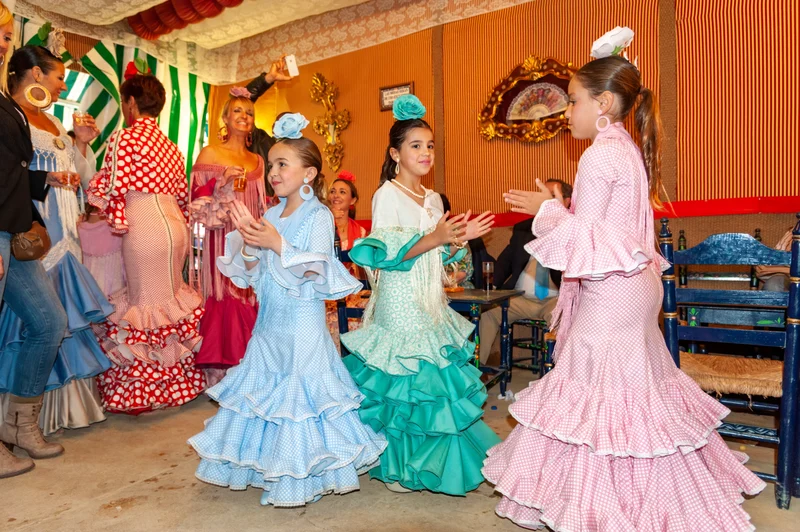
Seville and Cádiz, Spain
Seville, the largest city in Andalusia, radiates flamboyance. The royal Alcázar, a Spanish palace that began as a 10th-century Islamic fortress, features an intricate mix of Moorish and European architectural design—plasterwork ruffles, minutely defined geometric strips, archways, pillars, inner courtyards, and sequestered rooms. The opulent gardens reflect each era’s preferences, from fountains to the formal patterns of an 18th-century English garden.
At the Museo del Baile Flamenco, you can book a family lesson to pick up some new moves after getting inspired by interactive exhibits detailing the dance’s history.
En route to Cádiz’s beaches, stop at Jerez de la Frontera, 57 miles southwest of Seville. At the Fundación Real Escuela Andaluza del Arte Ecuestre (Royal Andalusian School of Equestrian Art Foundation), horses prance, trot, and pace with a combination of military precision and balletic grace.

Frommer's Spain
Frommer’s books aren’t “written" by A.I., like so many others, or by travel writers who simply pop in briefly to a destination and then consider the job done. We use seasoned, locally-based journalists like Peter Barron (formerly of the BBC), along with writers who live part-time in Spain, like Patr...
Get the bookFrommer's Spain
Frommer’s books aren’t “written" by A.I., like so many others, or by travel writers who simply pop in briefly to a destination and then consider the job done. We use seasoned, locally-based journalists like Peter Barron (formerly of the BBC), along with writers who live part-time in Spain, like Patr...
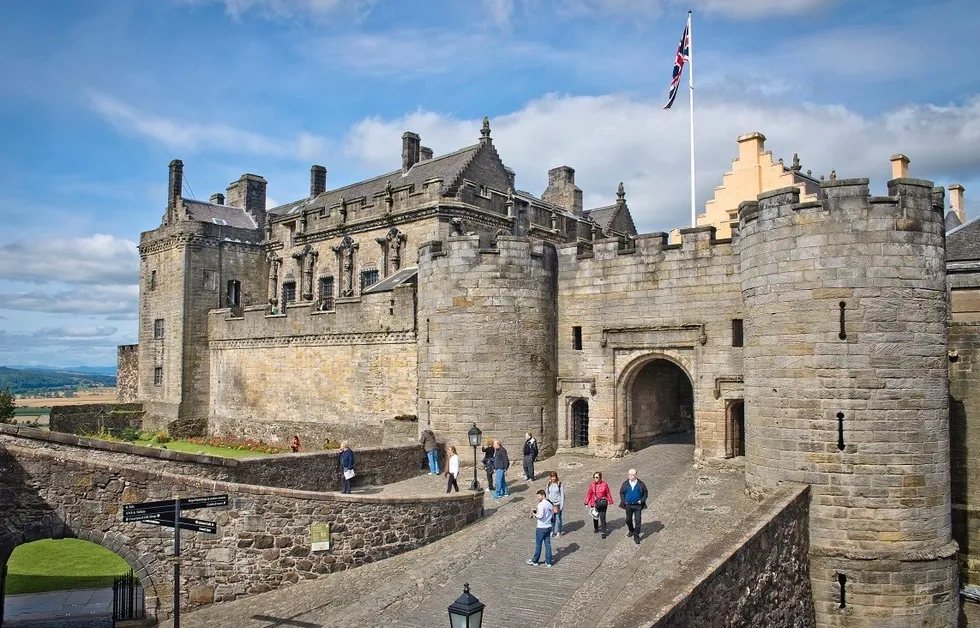 (Credit: Visit Scotland)
Glasgow and Stirling Castle, Scotland
Glasgow is Scotland’s technological and cultural heart. Many of the city’s signature Victorian-era red sandstone buildings now house music venues, art schools, and offices for digital startups.
The contemporary Glasgow Science Centre rises over the banks of the River Clyde, engaging kids with hands-on exhibits and panoramic views from the facility’s Glasgow Tower. Kids can explore the history of transportation at the Riverside Museum, where the collection ranges from baby carriages to trains.
Outside, board the Glenlee, a restored 1896 Glasgow-built ship. A few blocks away, the wide-ranging exhibits at Kelvingrove Art Gallery and Museum, another Victorian triumph that looks almost like a palace, gathers fossils, French Impressionist paintings, and suits of armor on display in a spectacular, cathedral-like setting.
Castles deliver a visceral sense of Scottish history and royal life. The hilltop Stirling Castle (pictured above), 30 miles northeast of Glasgow, dates to the 12th century. At Stirling, Mary Queen of Scots was crowned, her son James was baptized, and, at just 11 months, was taken away from his mother forever.
Experience a more charming side of noble life by lodging at Glenapp Castle, 70 miles southwest of Glasgow, where you and your family can go on woodland walks and try falconry, clay pigeon shooting, archery, and other royal sports.
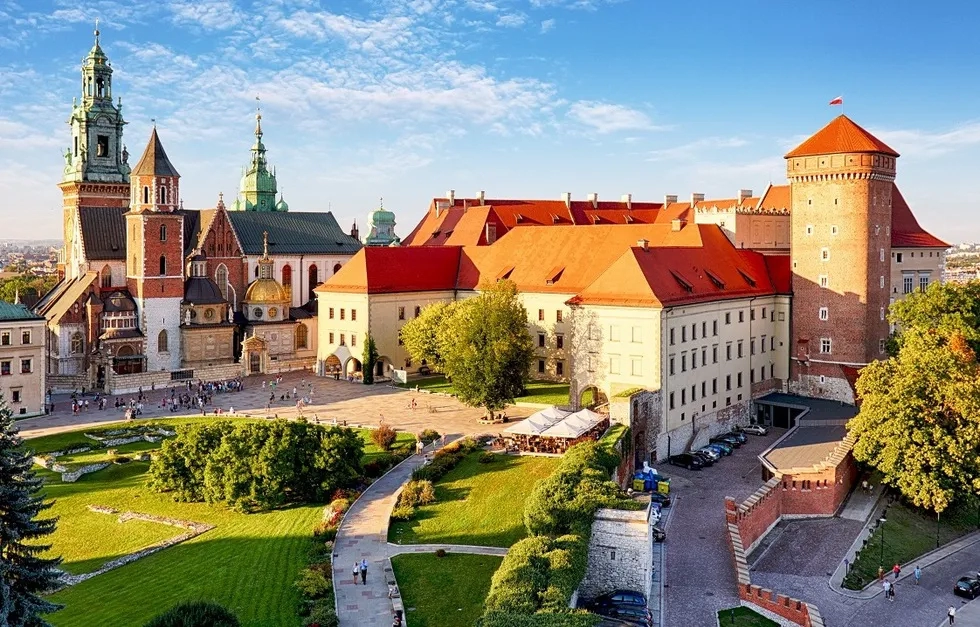 (Credit: Polish Tourist Office)
Kraków and the Tatra Mountains, Poland
Historic Kraków feels like a beautifully illustrated children’s book. In Wawel Castle, set right in the middle of town, centuries-old Flemish tapestries (some sewn with pure gold thread) adorn warrens of rooms, and in the Throne Hall, 30 carvings of heads stare down at you.
Obwarzanki, aka local bagels that look like hoops, make for easy-to-carry snacks. Learn how to make your own at the Muzeum Obwarzanka.
For those needing a respite from walks, an hour-long cruise on the Vistula River brings the energy down with scenic city views. Kids are also rendered agog by the underground tunnels at the Wieliczka Salt Mine, just outside of town, where they can walk through rooms and chapels, sculptures and all, carved from solid salt.
Kraków’s once-bustling Jewish quarter has been restored; the synagogues in the Kazimierz district provide a glimpse of what life was like here not so long ago. West of town, consider visiting Auschwitz-Birkenau, the two Nazi concentration camps within a few miles of each other (and 44 miles west of Kraków).
To the south, the skiing-and-hiking town of Zakopane is a good base for exploring the Tatra Mountains, a landscape of sylvan woods, mountain streams, and snowcapped peaks that form the border with Slovakia. Relatively easy walks lead to lakes, while invigorating hikes culminate in sweeping ridge-top views.
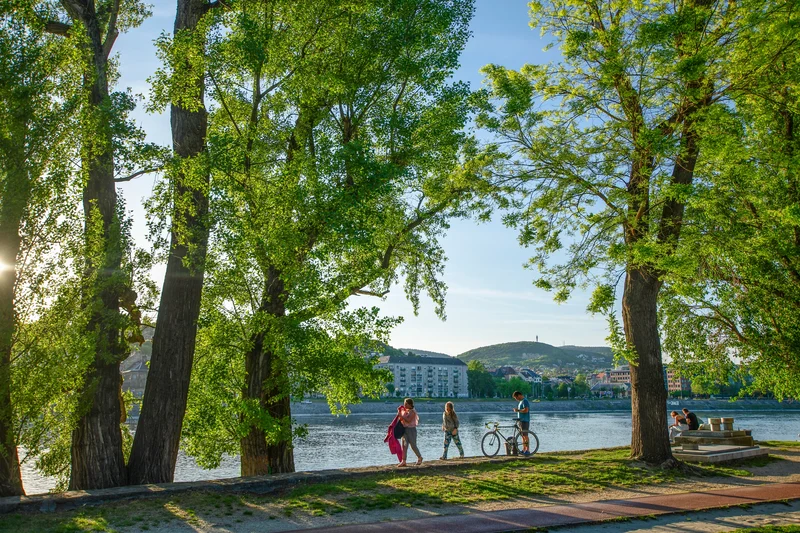
Budapest and the Danube Bend, Hungary
The Danube River divides Budapest into buzzy Pest and stately Buda. What makes the Hungarian capital so special for many is that it still retains much of its fin de siècle grace, bursting with Art Nouveau buildings, especially on Andrássy út, the city’s grandest boulevard.
At one end of the street, Hosök tere (Heroes’ Square) commemorates the 1,000th anniversary of Hungary. Stroll in nearby Városliget (City Park), where there’s both a zoo and the eclectic Vajdahunyad Castle (1896). Margaret Island, a long island park in the middle of the Danube, prohibits cars, making it a top family bicycling spot.
Consider getting out of the city on a cruise to the small towns in the Danube Bend. Visegrád, 25 miles north of Budapest, has palace ruins and medieval games during the International Palace Games held in early July. Szentendre, 14 miles north of Budapest, is for art galleries, craft shops, and the Szabadtéri Néprajzi Múzeum (the Hungarian Open-Air Museum), a showcase of traditional farmhouses, churches, and other Hungarian buildings that give a strong picture of traditional life here.
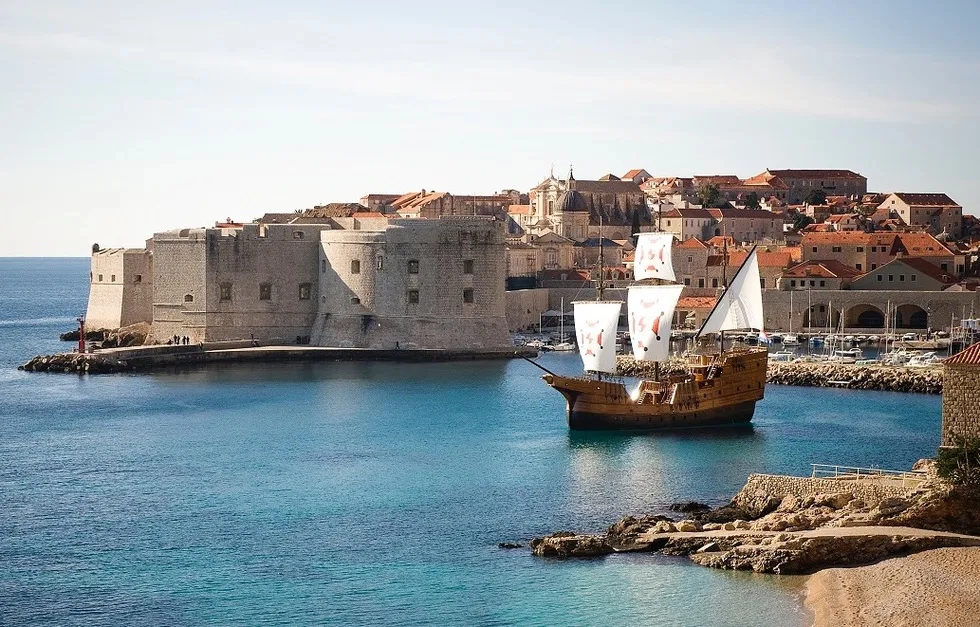 (Credit: Dubrovnik Tourist Office)
Dubrovnik and Dalmatia, Croatia
Dubrovnik, a picture-perfect fortress city on the Adriatic Sea, is among Croatia’s most popular tourist destinations. A path goes all the way around the city's medieval walls, showing off spectacular views of the sea and the town’s distinctive concave red roof tiles. Just be sure to make the trek early in the morning or in late afternoon to avoid the blazing sun and the thickening crowds. Along the way, stop to sample local treats such as torta od makarona, a macaroni cake.
Like most of Dubrovnik’s beaches, Copacabana Beach, at Babin Kuk peninsula, is pebbly but ideal for kayaking or beaching. Lopud Island’s Šunj beach has better sand (a rarity here) and also a stretch of shallow water. Reach Lopud by a 50-minute boat ride.
 (Credit: www.bayern.by)
Munich and the Bavarian Alps, Germany
With top-flight museums, gardens, and squares, Munich rates as one of Germany’s most livable and welcoming cities. Another of its charms: location. The capital of Bavaria is within easy driving distance of magnificent lakes, mountains, forests, and castles.
Munich’s Alte Pinakothek museum includes masterpieces by Rubens, da Vinci, and Rembrandt, while the Pinakothek der Moderne showcases modern masters. Picnic in the Englischer Garten, among Europe’s largest public parks, and go people-watching in the Marienplatz, the main pedestrian square (one of many where cars are kept away).
For older kids and teens, the NS-Dokumentationszentrum traces the rise of the Nazi party via text and photos. The facility’s mission is to underscore the importance of upholding the rights of minorities to prevent oppression.
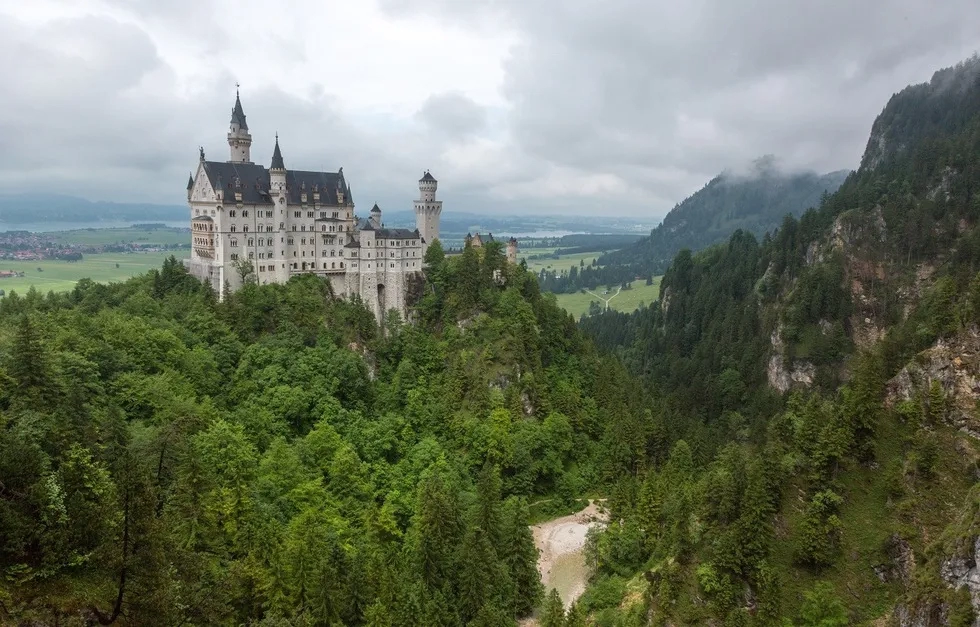
Just outside Munich, the ornate, 17th-century Schloss Neuschwanstein (pictured above) is, to many people, the picture of a perfect castle, probably in part because its design inspired elements of Disneyland’s Sleeping Beauty Castle. Schloss Elmau, a 20th-century castle in Krün, 62 miles south of Munich on 1,600 acres in the Bavarian Alps, is a place to find luxury lodging and a spa along with summer children’s programs.