Itinerary: Spain in Two Weeks

Spain is so large and diverse that it’s hard to imagine hitting all the highlights in just two weeks. This tour includes most of the notes in the Spanish chord, but it’s going to require careful planning to hit them all. Much of your travel will be by train, making an Interrail Spain Pass—which gives you up to 8 flexible travel days—an economical and convenient way to go. See interrail.eu for details.
Note that Spain’s most popular highlights often sell out weeks or even months ahead. It’s essential to make online reservations with timed slots well in advance for many of the key sites, especially La Sagrada Família and Park Güell in Barcelona (Day 7), the Alhambra in Granada (Day 11), and Museo del Prado and Palacio Real in Madrid (Days 1 and 2). But that means you’ll need to stay flexible in other areas—like lunch.
Days 1: Madrid Pomp & Circumstance
Madrid was a backwater until Felipe II moved his court here in 1561. Start you day in Habsburg Madrid, with a coffee on Plaza Mayor, scene of coronations and Inquisition trials. Then walk along Calle Mayor to start your morning visit to the Palacio Real, the lavish palace of the Bourbon kings. Next visit the stunning Galería de las Colecciones Reales, which opened in 2023. It displays royal treasures going back to the birth of modern Spain. After a lunch of tapas on Plaza de Oriente, visit the Monasterio de las Descalzas Reales where high-born women took the veil and brought their art with them. To continue the regal theme, visit Lhardy for a snack or dinner, or drop in for a cocktail at the historic Palacio de los Duques Gran Meliá hotel, before heading elsewhere for dinner.
Day 2: Madrid Art & Tapas
Spend the morning at Museo del Prado, one of the world’s great art museums, concentrating on the Spanish masters: Velázquez, El Greco, and Goya. After a stroll in Parque del Retiro and a quick lunch—maybe a calamares sandwich at El Brillante—you’re ready for the modern masters at the Museo Nacional Centro de Arte Reina Sofía, where Picasso’s Guernica is the highlight, alongside works by Dalí and Miró. Round off a bohemian day with a tapas going from one bar or tavern to another and sampling hot and cold tapas or small plates of Spanish appetizers, ranging from fresh anchovies to the tail of a bull. You can discover plenty on your own, virtually on every street corner, but we find the area of Las Letras to be the most appealing. Still going? Perhaps finish the day with a show at Tablao Flamenco 1911 (though you'll have opportunities to see flamenco later in the vacation, as well).
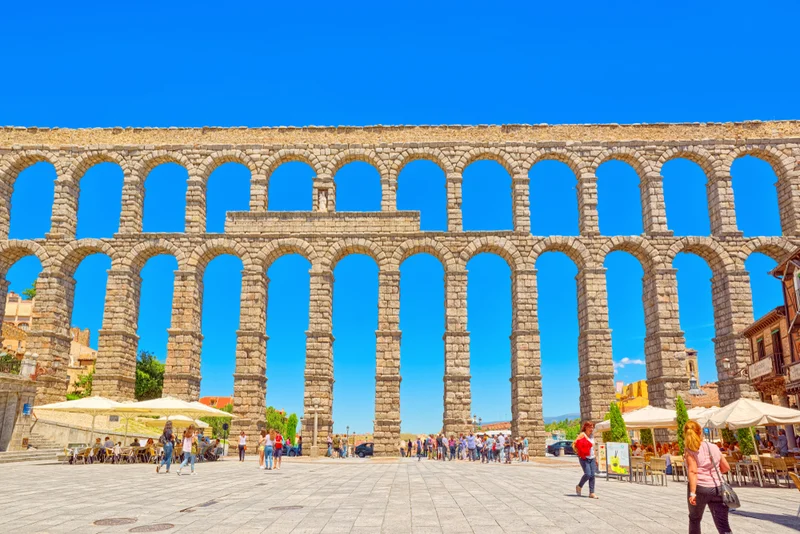
Day 3: Segovia
Swift trains to Segovia start at 6:40am and take less than 30 minutes, so you can pop in for the highlights and keep moving. Admire the 166 arches of the Roman Aqueduct (see above), then follow signs through the heart of the city to the fairytale Alcázar. Lunch on the city’s signature roast suckling pig at Restaurante José María and sleep it off on the afternoon train to Burgos, where you’ll spend the night.
Day 4: Burgos & Bilbao
You’ll be in the company of pilgrims when you visit the Catedral de Santa María in Burgos. Packed with paintings and sculpture, this magnificent Gothic cathedral is the resting place of the swashbuckling Spanish hero El Cid. After an early lunch, take a mid-afternoon train to Bilbao. Explore the narrow streets of the city’s old quarter, the Casco Viejo, and ponder this city’s remarkable transformation over a glass of wine and creative pintxos in Plaza Nueva.
Day 5: Bilbao
Last night was old Bilbao. This morning is the new city. Get an early start so you can walk the riverfront before spending several hours admiring the Guggenheim Museum inside and out. Then head to the nearby Euskal Itsas Museoa, built on the site of a shipyard, which tells the extraordinary story of how Bilbao replaced its industrial past with cutting-edge architecture and commerce.
Make sure you’ve reserved seats on the afternoon train to Barcelona, which will give you a chance to catch up on sleep. It gets in after 10pm, just in time for a late Catalan dinner.
Day 6: Gothic Barcelona, Plus Picasso
Begin your exploration of this capital of Catalan culture very early by strolling the famous thoroughfare of La Rambla (go late morning and it will be a mob scene), popping into La Boqueria market for a freshly squeezed fruit juice. Then wander the medieval streets of Barri Gòtic and admire the Gothic Catedral de Barcelona (see top of page). Pause for a drink on elegant Plaça Reial or tapas at Els Qatre Gats, where Picasso designed the menu. Then head to the Museu Picasso to see how the teenage prodigy became a great artist—here in Barcelona. Round off your day at Los Caracoles with a traditional comfort food treat.
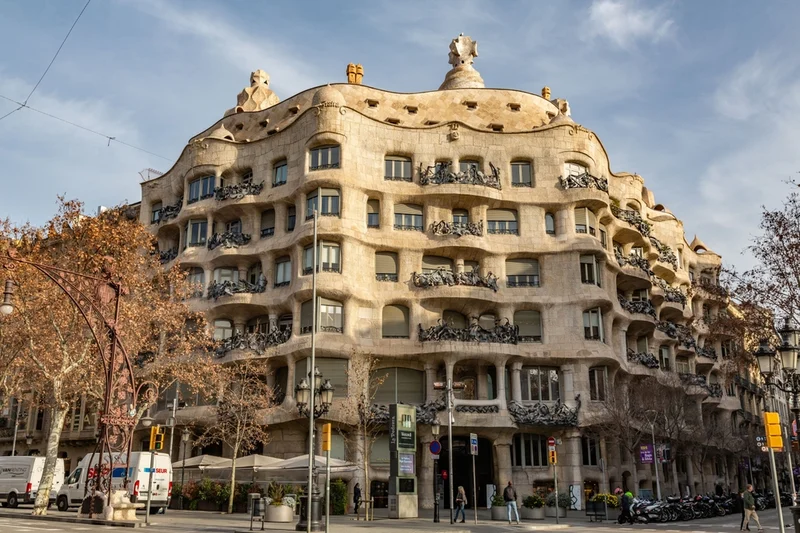
Day 7: Moderniste Barcelona
For a big day of architecture, you’ll have booked timed slots far in advance for Antoni Gaudí’s masterpiece, the basilica of La Sagrada Família, in the morning, and the mosaic wonderland of Parc Güell in the afternoon. You may have time to squeeze in the fantastical houses of either Casa Batlló or La Pedrera (see above), too. Aim for coffee and cake at nearby Casa Fuster or a hot chocolate at Casa Amatller to admire the work of Barcelona’s other Modernista greats, and in the evening splurge at one of many first-class restaurants in L’Eixample.
Day 8: Valencia's Old Town
Take a morning train to Valencia and spend the afternoon hitting the Old Town sights, including the Catedral and its cool Gothic tower, El Miguelete. In the late afternoon, head to Playa Malvarrosa, the best of the in-city beaches. That way you’ll be ready for Valencia’s famous paella at one of the beachfront restaurants.
Day 9: Valencia's City of Arts & Sciences
Make an early start to visit the Mercado Central food market—one of the largest in Europe—a treasure house of locally raised produce. Walk along the Jardí del Túria gardens to reach the City of Arts & Sciences (see below) and spend the rest of the day inhabiting the future. Catch a late afternoon train to Granada—you’ll have to transfer through Madrid or Córdoba, but it’ll still take half the time of the bus.
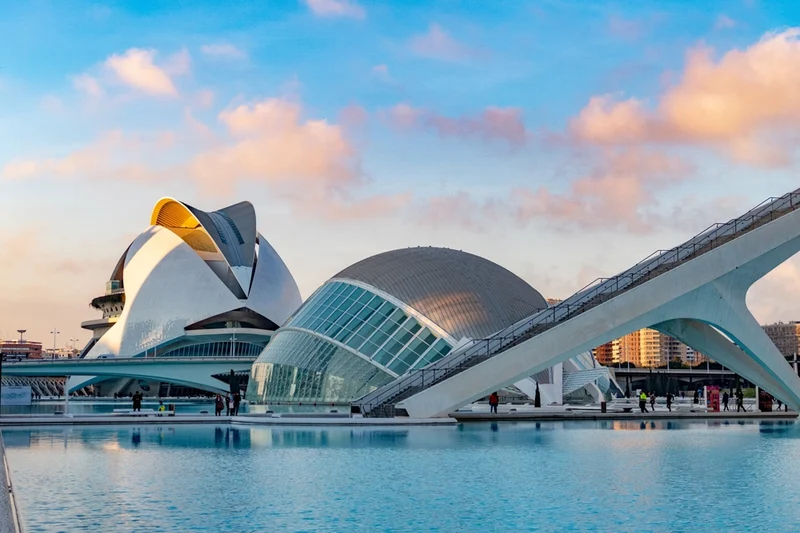
Day 10: Granada
Start with a stroll around the central district, visiting the Catedral and its adjacent royal chapel, the Capilla Real. You’ll see the tombs of the Catholic Monarchs, Fernando and Isabel, who completed the Reconquest by taking Granada in 1492. After a casual lunch of fried fish at Los Diamantes on Plaza Nueva, take an electric bicycle tour around the hilly barrios of Moorish Albaicín and Sacromonte, with its Romani caves. Watch the sun go down at the Mirador de San Nicolás, then dine at nearby Mirador de Morayma for floodlit views of the Alhambra.
Day 11: The Alhambra, Granada
Months ago, you reserved a ticket with an early entrance time to the Alhambra, where Islamic architecture reached its pinnacle in the 14th century. Besides your timed slot at the exquisite Palacios Nazaríes, allow plenty of time to wander the gardens of the Generalife and explore the museums in the grand but incongruous Palacio de Carlos V. Grab a snack at one of the cafés within the grounds, or if you’re in luck, a terrace table at the Parador de Granada—where it’s first come, first served. Drop back into town past the marquetry workshops and guitar makers on Cuesta de Gomérez. For dinner hit Granada’s famous tapas scene, starting at Bodegas Castañeda.
Day 12: Sevilla
Catch an early morning train to Sevilla and start at the palace fortress of the Alcázar, Europe’s oldest royal residence. Columbus is entombed in the adjacent Catedral, whose bell tower, Giralda, is the city’s most beautiful and emblematic structure. Explore the warren of medieval streets in the Barrio de Santa Cruz and grab a pringá sandwich for lunch under the columns of Bodega Santa Cruz or at Casa Morales nearby. Visit the Museum of Flamenco Dance and aim to catch an early evening performance there, before dinner overlooking the river.
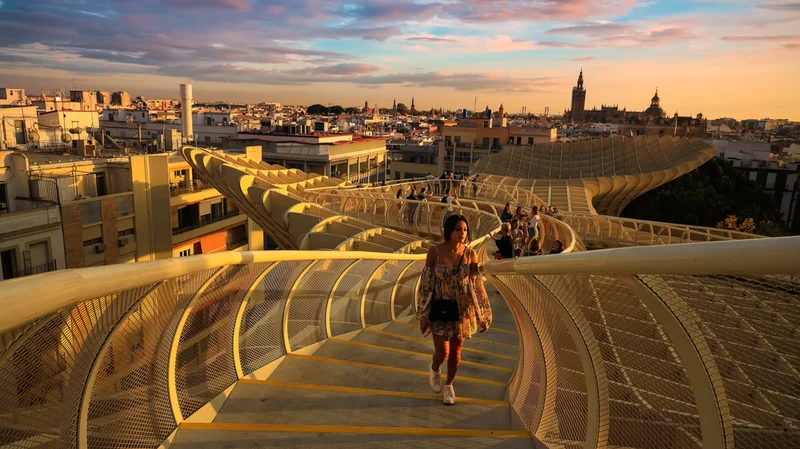
Day 13: Sevilla & Córdoba
Rise early for a morning walk (or cycle ride, from any SEVICI rack) among the greenery of Parque María Luisa, taking time to explore the revivalist architecture of Plaza de España. Pause for coffee at the historic Alfonso XIII hotel, before heading back to the center and Sevilla’s newest landmark, Las Setas (see above) for a tapas lunch beneath its swooping canopies. Catch a late afternoon train to Córdoba and take an evening stroll across the beautifully lit Puente Romano. Dine late on Cordoban specialties and a glass of Montilla-Moriles wine.
Day 14: Córdoba
Rise early to wander the ancient streets of the Judería before the crowds arrive, and at 8:30am visit La Mezquita for free, seeing the mosque-cathedral at its most mystical. You’ll also want to see the Alcázar, where Fernando and Isabel based themselves for the conquest of Granada. From there you’re well placed to take a tour of Córdoba’s famous flower-filled patios. Grab a thick slice of tortilla at Bar Santos for lunch and enjoy it on the steps of La Mezquita. Depending on the time of your flight the next day, either catch a train back to Madrid or spend another night here and take the early high-speed train—it takes just two hours.